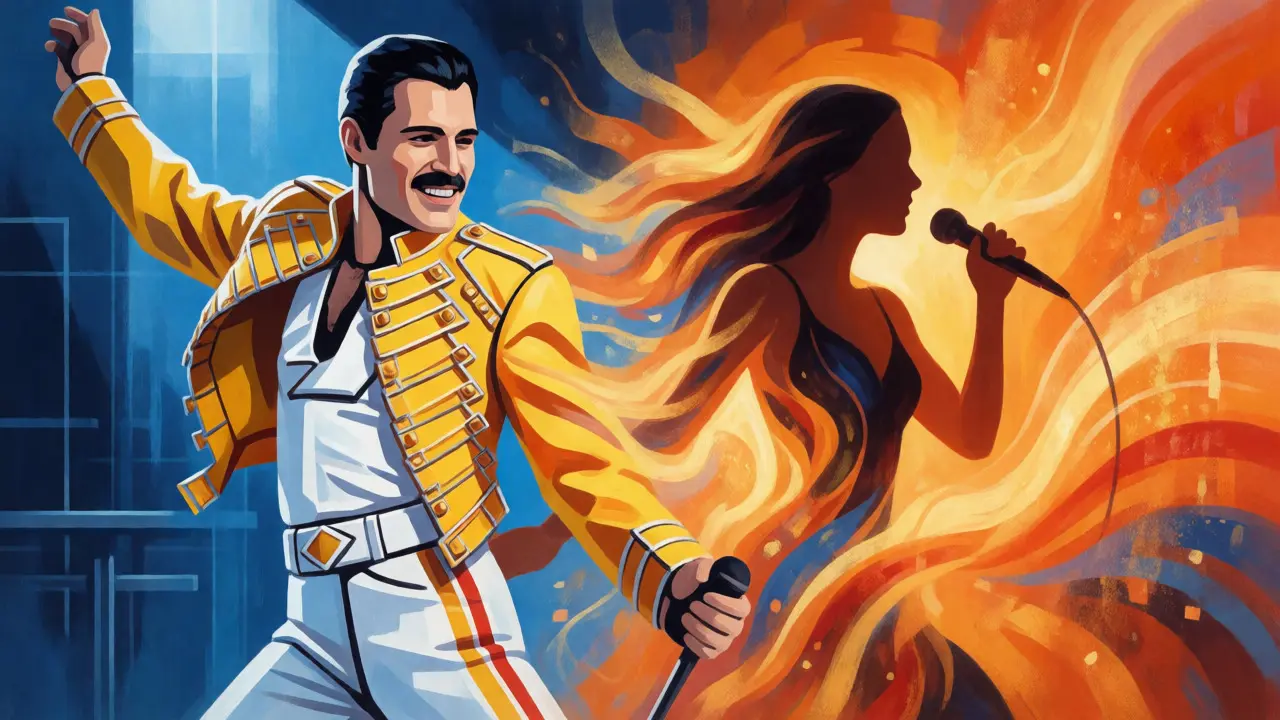
You walk into a venue expecting to hear Freddie Mercury or Queen. You want the costumes, the screeching high notes, and that specific feeling of nostalgia. But then someone walks on stage who looks nothing like Freddie, sings with a completely different texture, and somehow makes you feel more connected to the songs than you have in years. That is the paradox of modern tribute shows. It isn't about perfect imitation anymore; it's about emotional resonance.
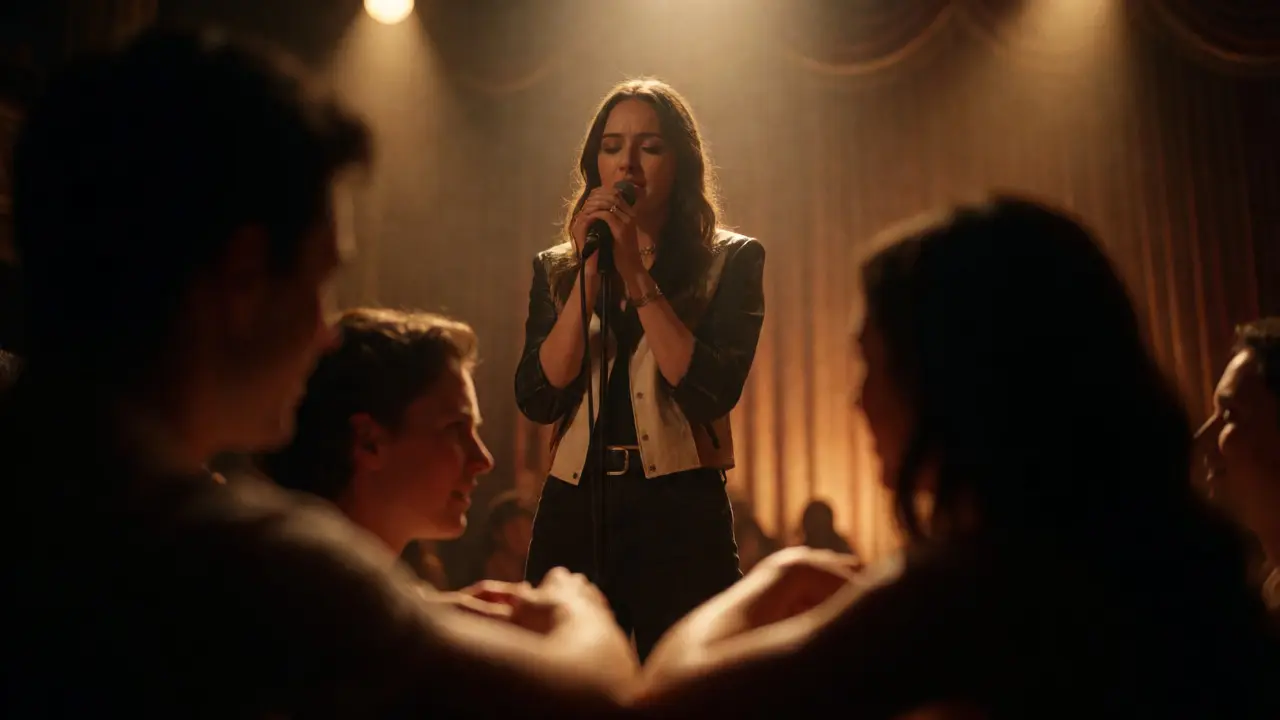
Alli Starr, a Portland-based vocalist known for her work with The Queen Extravaganza and various tribute acts, has built a career navigating this exact psychological tightrope. She doesn't just copy notes; she interprets intent. When we talk about tribute show psychology, we are really talking about how performers manage the gap between what an audience remembers and what they actually need to hear in the moment. If you are a musician, a promoter, or just a fan wondering why some tributes feel dead while others feel alive, understanding this dynamic changes everything.
The Uncanny Valley of Imitation
There is a concept in robotics called the "uncanny valley," where something almost human but not quite triggers a sense of unease. In live music, this happens when a tribute act tries too hard to mimic the original artist's mannerisms without capturing their spirit. You see it often: the exaggerated mustache twitch, the forced smile, the note that hits perfectly but feels cold.
Audiences are smarter than promoters give them credit for. They know Elvis Presley is gone. They don't want a hologram; they want a living, breathing connection to the music. When a performer like Alli Starr steps up, the magic happens when she stops trying to be the ghost and starts being the vessel. The surprise comes from realizing that the song works even better when delivered by a voice that carries its own weight, history, and vulnerability.
This shift requires a deep understanding of vocal technique. It is not enough to hit the pitch. You have to understand the breath control behind the original performance. For instance, replicating the strain in a rock ballad isn't about damaging your voice; it's about simulating the effort that made the original recording iconic. But doing so authentically means acknowledging your own instrument's limitations and strengths. This honesty disarms the skeptical audience member who crossed their arms at the door.
Managing Audience Expectations Before the First Note
The psychology begins before the singer opens their mouth. It starts with marketing, setlist curation, and visual presentation. If you promise a "Greatest Hits" experience, the audience expects comfort. They expect to sing along. If you deviate too wildly from the arrangement, you risk alienating people who came for communal catharsis, not a jazz fusion experiment.
However, sticking strictly to the original arrangements can make the show feel sterile. The sweet spot lies in subtle deviations. Maybe the tempo drags slightly in the bridge to let the lyrics breathe. Maybe the guitar solo is reimagined with a tone that fits the current venue's acoustics rather than the studio version. These small surprises signal to the brain that this is a live event, not a jukebox playback.
| Approach | Audience Reaction | Emotional Outcome |
|---|---|---|
| Strict Mimicry | Initial amusement, potential boredom | Nostalgia without connection |
| Radical Reinterpretation | Confusion, resistance | Alienation if too obscure |
| Balanced Authenticity (Starr Model) | Surprise, followed by engagement | Renewed appreciation for the song |
Alli Starr’s approach often leans into the third category. By using her natural vocal timbre-which differs significantly from many male rock icons-she forces the listener to focus on the melody and lyricism rather than the novelty of the sound-alike. This creates a cognitive reframing. You aren't hearing "fake Freddie"; you are hearing "your favorite song, interpreted by a skilled contemporary artist." That distinction is crucial for long-term fan retention.
The Role of Narrative and Vulnerability
Tribute shows often fail because they lack narrative. A concert is a story. Who is singing? Why do they care about these songs? What is their relationship to the original artist? Without this context, the performance is just a series of audio files played in sequence.
Sharing personal stories bridges the gap. When a performer admits, "I didn't think I could pull off this key change, but here we go," it humanizes the spectacle. It breaks the fourth wall. Audiences forgive technical imperfections when they perceive genuine effort and emotion. Conversely, they punish perfection that feels robotic.
This vulnerability is a strategic tool. It lowers the barrier between performer and observer. In a world saturated with auto-tuned recordings and polished social media personas, raw humanity stands out. It reminds us why we listen to music in the first place: to feel less alone. When a tribute act acknowledges the weight of the legacy they carry, they earn respect. They stop being a caricature and start being a collaborator in the song's ongoing life.
Surprising the Brain: Pattern Interrupts
The human brain loves patterns. We predict what comes next in a song based on decades of listening. A successful tribute show leverages this prediction but occasionally disrupts it. This is known as a pattern interrupt. It could be a sudden drop in volume, a spoken word segment, or an unexpected instrumental break.
These interruptions reset attention spans. They prevent the audience from zoning out during familiar choruses. Consider how Queen themselves used operatic structures to keep listeners guessing. A tribute act that ignores this structural complexity does the music a disservice. Instead, highlighting the weirdness of the original compositions-like the abrupt shifts in "Bohemian Rhapsody"-can be thrilling when executed with confidence.
For performers, this means studying the composition, not just the cover. Understand why the chord progression resolves the way it does. Then, use that knowledge to create moments of tension and release that align with the audience's emotional state. If the crowd is tired, a high-energy track might not land. A slower, soulful rendition might save the night. Reading the room is part of the psychology.
Building Community Through Shared Memory
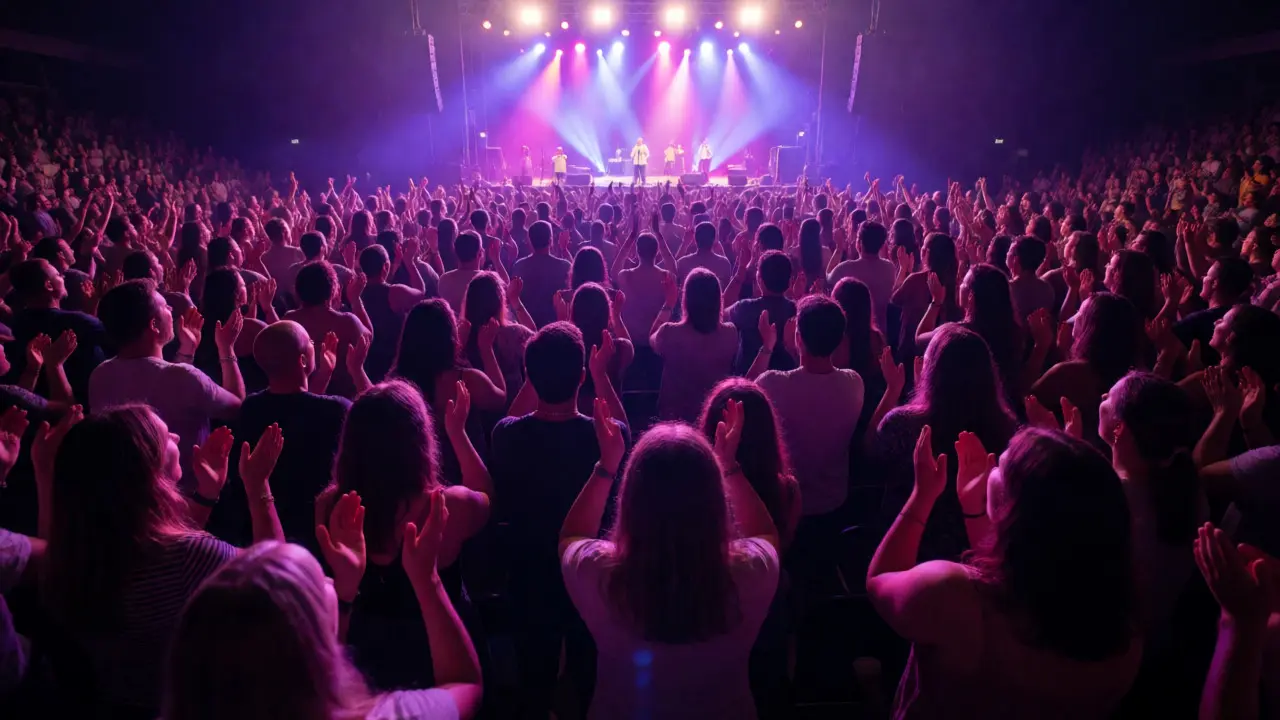
At its core, a tribute show is a community ritual. People gather to share memories associated with specific songs. Your first kiss might have happened to "Don't Stop Believin'." Your graduation was scored by "Livin' on a Prayer." When these songs play, the audience isn't just listening; they are reliving.
The performer becomes a facilitator of this collective memory. The best tribute acts, including those featuring artists like Alli Starr, encourage participation. Call-and-response sections, clapping rhythms, and eye contact across the room reinforce the bond. The surprise element here is often how much energy the audience gives back. When the performer trusts the crowd, the crowd rewards them with enthusiasm.
This dynamic transforms a passive listening experience into an active one. It turns a two-hour show into a shared emotional journey. Promoters often underestimate this power, focusing solely on production values. But lighting and pyrotechnics cannot replace the electricity of a thousand voices singing in unison. The psychology of belonging is potent. If the performer facilitates that belonging, the show succeeds regardless of budget.
Practical Takeaways for Performers and Fans
If you are stepping onto a tribute stage, remember that you are not a museum exhibit. You are a living interpreter. Study the original recordings, yes, but also study yourself. Find where your voice naturally wants to go within the framework of the song. Don't force a falsetto if your chest voice is stronger. Let the song adapt to you, not just you to the song.
For fans, the next time you attend a tribute show, try to listen for the interpretation rather than the imitation. Ask yourself: Does this performance make me feel something new about a song I thought I knew? If the answer is yes, you've witnessed good art. If the answer is no, you've seen a karaoke contest with better costumes.
Ultimately, the psychology of tribute shows reveals a broader truth about art: it survives by evolving. Static copies fade. Living interpretations endure. As long as there are audiences hungry for connection, performers like Alli Starr will continue to redefine what it means to honor a legend.
Why do some tribute shows feel fake?
Tribute shows often feel fake when they prioritize visual mimicry over emotional authenticity. If a performer focuses solely on costumes and mannerisms without connecting to the lyrical content, the audience perceives it as a parody rather than a celebration. The lack of genuine vulnerability creates a disconnect, making the experience feel hollow.
How important is vocal similarity in a tribute act?
While initial recognition helps, vocal similarity is less important than vocal capability and interpretive skill. Audiences quickly forgive differences in timbre if the delivery is compelling. A unique voice that brings fresh perspective to familiar melodies often engages listeners more deeply than a near-perfect but flat imitation.
What role does setlist selection play in audience psychology?
Setlist selection manages energy levels and emotional arcs. Starting with high-energy hits grabs attention, while slower tracks allow for deeper connection. Strategic placement of lesser-known songs can surprise and delight hardcore fans, while keeping major anthems for climactic moments ensures communal participation. Poor sequencing leads to fatigue or disengagement.
Can tribute acts appeal to younger generations?
Yes, if they avoid treating the source material as sacred relics. Younger audiences respond to authenticity and relevance. Highlighting the timeless themes of the lyrics and showcasing modern musical sensibilities in the arrangement can bridge the generational gap. Social media presence and viral clips of performances also help attract new demographics.
How does audience interaction enhance a tribute performance?
Interaction transforms passive listeners into active participants. Eye contact, direct address, and call-and-response segments build rapport. This mutual exchange boosts dopamine levels for both performer and audience, creating a feedback loop of energy. It reinforces the sense of community and shared experience, which is central to the live music appeal.