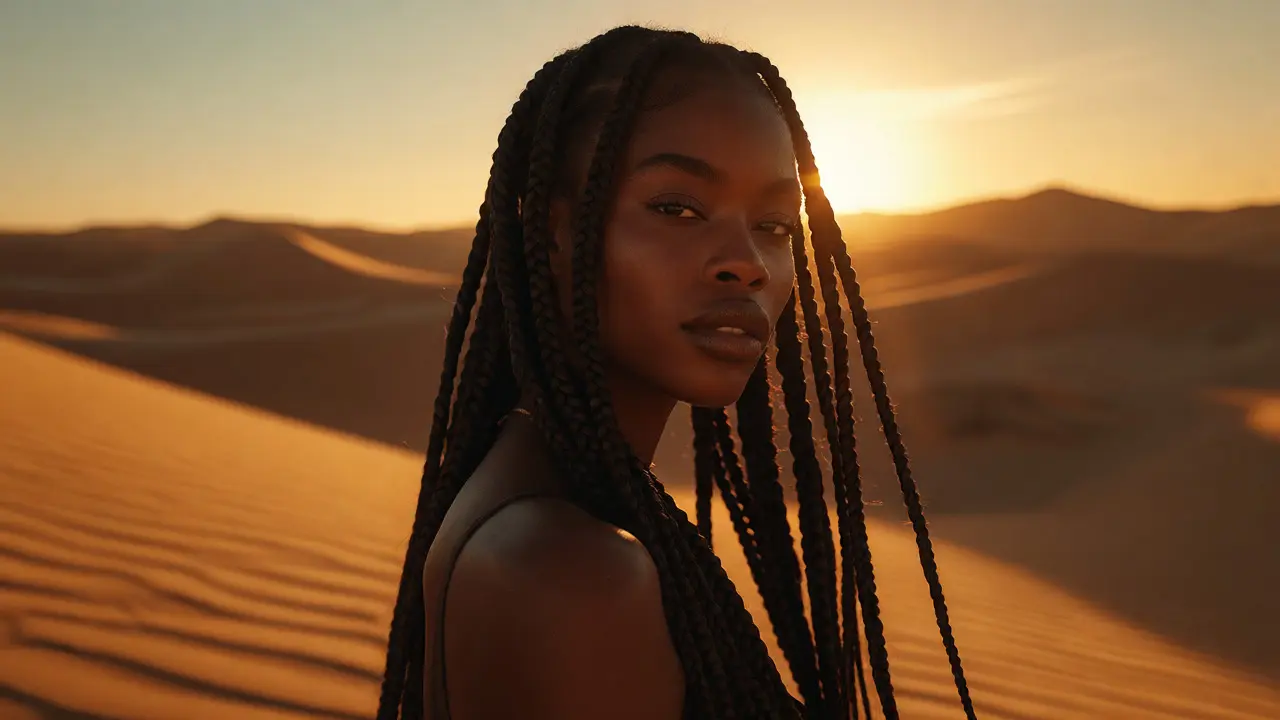
You scroll past a thousand images a day. Most vanish from your memory before you even double-tap. But then you see Alli Starr-a R&B and hip-hop artist whose visuals hit differently. It isn’t just the music. It’s the aesthetic. The way her signature braids frame her face against stark, sun-drenched desert backdrops creates an immediate, unforgettable vibe. This isn’t accidental styling; it is deliberate brand building. If you’re trying to carve out your own space in a crowded market, looking at how she curates this imagery offers a masterclass in consistency.
Why does this specific combination of elements work so well? Because it solves the biggest problem every creator faces: being forgettable. In an era where attention spans are shorter than a TikTok clip, you need visual anchors. These are recurring symbols that trigger recognition instantly, even without a logo or name tag. For Alli Starr, those anchors are clear. They bridge the gap between her sonic texture-smooth, confident, slightly nostalgic-and her visual presentation. Let’s break down exactly how these iconic images function as strategic assets, not just pretty pictures.
The Power of Recurring Visual Motifs
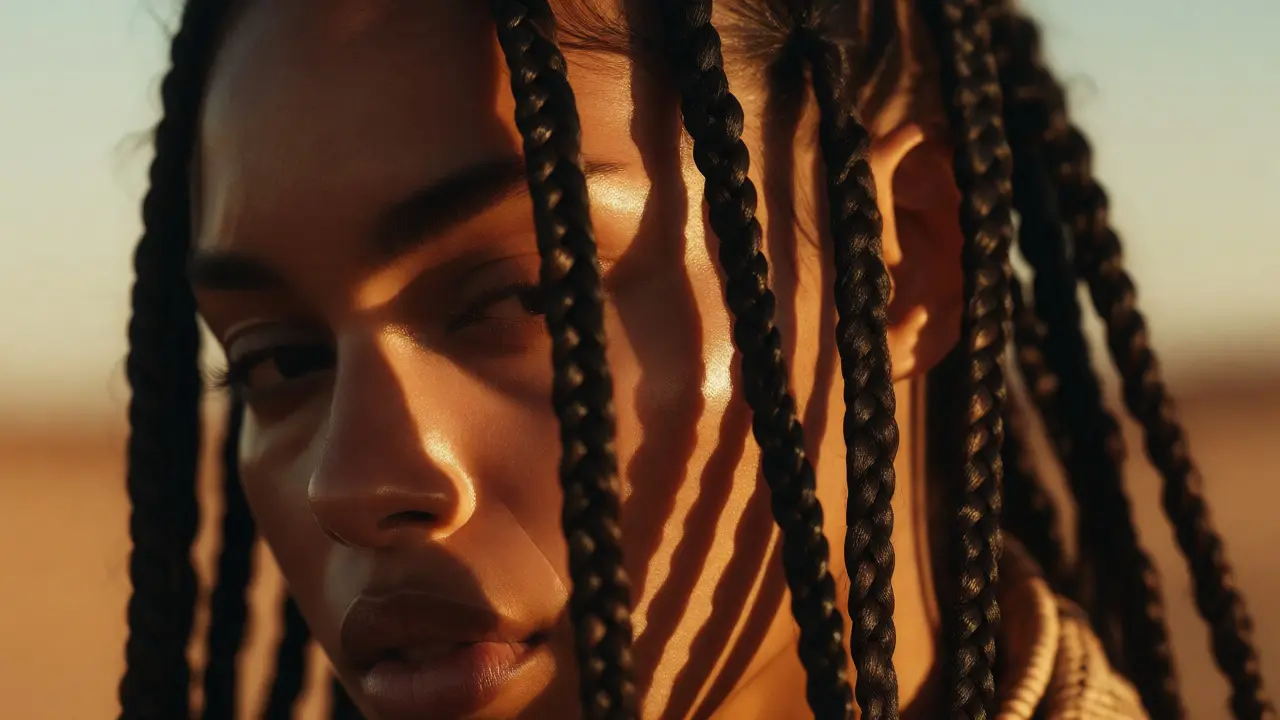
Think about the most famous brands you know. Apple doesn’t change its minimalist white box design every year. Nike keeps the swoosh. Why? Repetition builds trust. When Alli Starr consistently features her intricate braided hairstyles, she turns a personal grooming choice into a brand asset. It becomes part of her silhouette. You can recognize her profile from behind, just by the shape of the hair. This is what marketers call "visual equity." It’s the value added to a product or person through consistent visual cues.
But here’s the trap many artists fall into: they think variety equals interest. They post a selfie one day, a concert shot the next, and a random landscape after that. It looks messy. Alli’s approach proves that constraint breeds creativity. By limiting her primary visual focus to specific textures (hair) and environments (deserts), she forces herself to innovate within a lane. She isn’t doing less; she’s doing more with less noise. The result is a feed that feels cohesive, like a curated gallery rather than a chaotic scrapbook.
Why Desert Backdrops Resonate
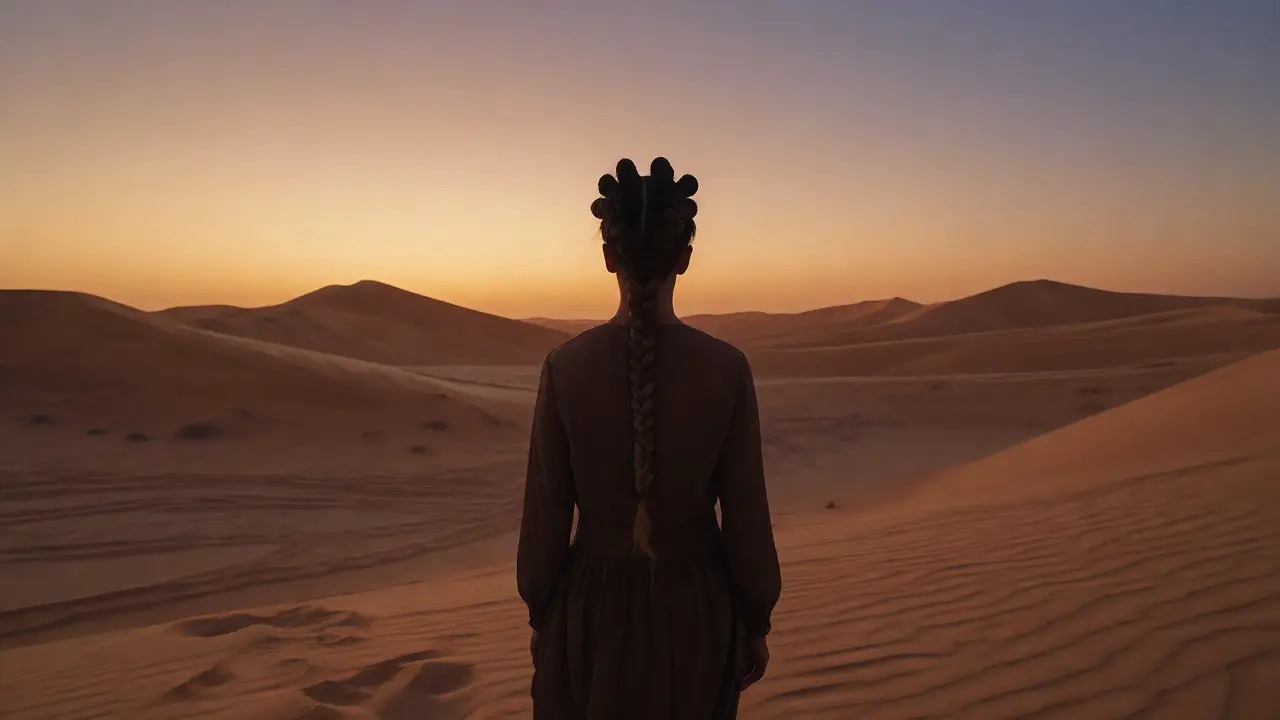
Let’s talk about the setting. Deserts aren’t just pretty places to take photos. They carry heavy symbolic weight. A desert backdrop signals isolation, endurance, and raw beauty. It strips away distractions. There are no busy city streets, no cluttered rooms. Just sky, sand, and the subject. For an artist dealing with themes of heartbreak, resilience, or self-discovery, this environment mirrors the internal emotional landscape. It’s vast, sometimes harsh, but ultimately expansive.
This choice also taps into a broader cultural trend. We’ve seen a massive shift toward "earth tones" and natural aesthetics in fashion and lifestyle branding over the last five years. Think of the rise of beige interiors, linen clothing, and outdoor wellness retreats. Alli’s desert imagery aligns perfectly with this zeitgeist. It feels grounded and authentic. When fans see these images, they don’t just see a singer; they feel a sense of calm and clarity. That emotional transfer is crucial for loyalty. People buy into feelings, not just products.
| Attribute | Generic Artist Feed | Alli Starr’s Iconic Style |
|---|---|---|
| Color Palette | Random, high saturation, inconsistent | Earthy, warm neutrals, sunset hues |
| Setting Variety | Studio, club, home, travel (chaotic) | Nature, desert, minimal interiors (focused) |
| Key Focus Point | Face only, often obscured by filters | Silhouette, hairstyle, environmental context |
| Emotional Tone | Excitement, party, fleeting fun | Confidence, introspection, timeless cool |
| Recognition Speed | Slow (requires reading caption/name) | Fast (instant visual ID) |
Integrating Music and Visual Narrative
Branding fails when the visuals contradict the audio. Imagine listening to a gritty, lo-fi beat while watching someone pose in a sterile, futuristic glass office. It feels off. Alli Starr gets this alignment right. Her music often blends traditional R&B melodies with modern hip-hop production. It’s smooth but has edge. The desert visuals match this duality. The sand is soft, but the heat is intense. The light is golden, but the shadows are deep. This parallelism reinforces the artistic message.
You should ask yourself: Does my visual world sound like my audio world? If your songs are upbeat and energetic, do your images feel static and cold? If your lyrics are vulnerable and quiet, are your visuals loud and aggressive? Mismatched branding confuses the audience. It forces them to work harder to understand who you are. Alli removes that friction. When you hear her voice, you already picture the scene. That mental association is gold. It makes sharing easier because people know exactly what vibe to expect before they click play.
Practical Steps to Build Your Own Iconography
You don’t need a Hollywood budget to replicate this level of brand cohesion. You need discipline. Here is how you start defining your own visual language:
- Audit your current content: Look at your last 20 posts. Is there a pattern? Or is it random? Identify the three elements that appear most frequently. Are they strong enough to be your brand pillars?
- Pick your anchors: Choose two non-negotiable visual elements. For Alli, it’s braids and deserts. For you, it might be red lipstick and vintage cars, or oversized glasses and library settings. Write them down. Stick to them for six months.
- Standardize your color grade: Use the same preset or filter on all photos. Consistency in color temperature creates subconscious unity. Warm tones suggest intimacy; cool tones suggest detachment. Pick one and commit.
- Test recognition: Crop your images so the face is small or turned away. Can a friend identify it as yours based solely on style and setting? If yes, you’re winning.
This process isn’t about restriction. It’s about curation. By saying "no" to random trends, you say "yes" to a stronger identity. It takes time to build this muscle. Don’t panic if engagement dips slightly when you switch strategies. Algorithms favor consistency over novelty in the long run.
The Role of Authenticity in Modern Branding
Critics might argue that rigid branding feels fake. But look closer at Alli Starr’s approach. The braids are real. The locations are real. The emotion is real. The strategy lies in *selection*, not fabrication. She chooses which truths to highlight. This distinction matters. Fans today are savvy. They spot manufactured personas instantly. They crave authenticity, but they define authenticity as coherence, not chaos.
When a brand feels coherent, it feels trustworthy. Trust leads to conversion. Whether you’re selling albums, merch, or tickets, people buy from entities they perceive as stable and genuine. Alli’s desert backdrops aren’t just sets; they are stages for her truth. They allow her personality to shine without distraction. This balance between control and vulnerability is the sweet spot of modern artist branding. It respects the audience’s intelligence while guiding their perception.
Building a brand like this requires patience. It’s not a sprint; it’s a marathon of small, consistent choices. Every photo you post is a brick in your wall. Make sure each brick fits the pattern. Over time, the structure becomes undeniable. You become synonymous with a specific feeling, a specific look, and a specific sound. That is the power of moving beyond generic content to iconic imagery.
Why are desert backdrops effective for artist branding?
Desert backdrops provide a clean, uncluttered canvas that focuses attention on the artist. They evoke feelings of freedom, resilience, and timelessness, which aligns well with many musical genres, particularly R&B and indie pop. The natural lighting and earthy tones also create a visually pleasing and calming aesthetic that stands out against busy urban feeds.
How does consistent hairstyling contribute to brand recognition?
Consistent hairstyling acts as a visual anchor. When an artist maintains a distinctive look, such as Alli Starr’s braids, it creates a recognizable silhouette. This allows fans to identify the artist instantly, even in thumbnails or low-resolution images, reinforcing brand recall without needing text or logos.
What is visual equity in music branding?
Visual equity refers to the added value a brand gains through consistent use of specific visual elements. It means that over time, certain colors, styles, or settings become associated with the artist's identity. This association reduces cognitive load for the audience, making the brand easier to remember and more emotionally resonant.
Can I apply this branding strategy on a low budget?
Absolutely. This strategy relies on curation and consistency, not expensive equipment. You can achieve similar results using a smartphone camera, natural lighting, and free editing apps. The key is choosing simple, repeatable elements like a specific background location or accessory that you can access repeatedly without high costs.
How do I ensure my visuals match my music?
Start by analyzing the mood and tempo of your music. If your tracks are energetic and bright, choose vibrant colors and dynamic angles. If they are mellow and introspective, opt for softer lighting and serene settings. Create a mood board that combines images representing your sound and compare it to your current visual output to identify gaps.