Imagine walking into a room where you haven't met someone yet, but you already know their vibe. You see their outfit, hear their laugh, and catch a glimpse of their phone wallpaper. That is the power of a Alli Starr a contemporary R&B artist known for blending raw emotional vulnerability with polished aesthetic precision. In the modern music landscape, the song is only half the story. The other half is the person singing it. For rising artists in the genre, crafting a distinct persona is not just about marketing; it is about creating a cohesive world that fans can step into. This guide breaks down how to build that identity from the ground up, focusing on the specific dynamics of contemporary R&B.
The Core of the Character
Before you pick a color palette or record a demo, you need to define who this character actually is. It sounds abstract, but it is practical. Ask yourself: What does this person believe? How do they handle heartbreak? Do they wear silk or denim? These questions form the foundation of your brand narrative. In R&B, authenticity is currency. Fans can smell a fake persona from a mile away. If your lyrics talk about street life but your visuals are overly curated luxury, there is a disconnect. The persona must feel like an extension of your true self, amplified for artistic effect. Think of it as wearing your best self, not a mask. This alignment ensures that every piece of content you release reinforces the same core message rather than confusing your audience.
Visual Language and Aesthetic Consistency
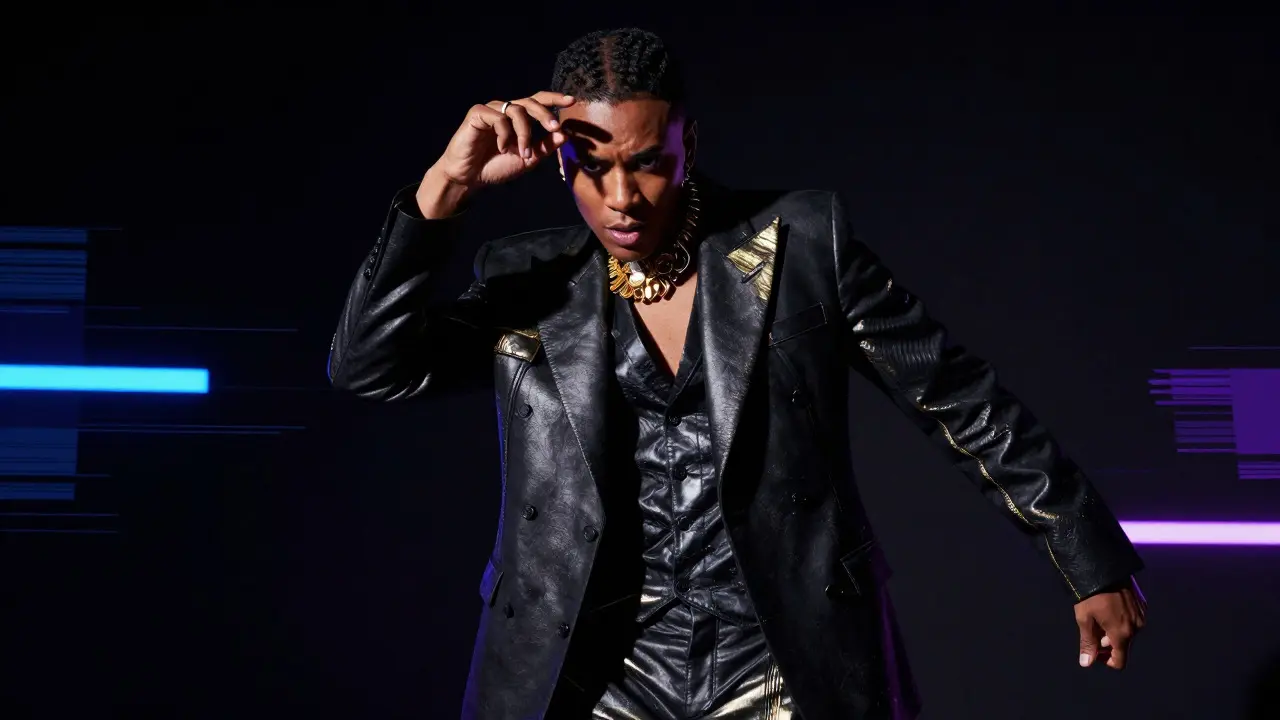
Your visual identity is the first thing people notice. It includes your album art, your social media feed, your stage wardrobe, and even the lighting in your videos. Consistency is key here. Choose a few signature elements and stick with them. For example, if your persona is grounded and earthy, use warm tones, natural fabrics, and organic textures. If your persona is futuristic and sleek, lean into metallics, sharp lines, and digital glitches. Create a mood board that serves as your visual bible. Every photo you post should look like it belongs in that board. This creates a recognizable pattern in the viewer's mind. When they see your image, they instantly recognize the brand before they even read the caption. This visual shorthand saves time and builds trust quickly.
| Persona Trait | Color Palette | Wardrobe Style | Photography Vibe |
|---|---|---|---|
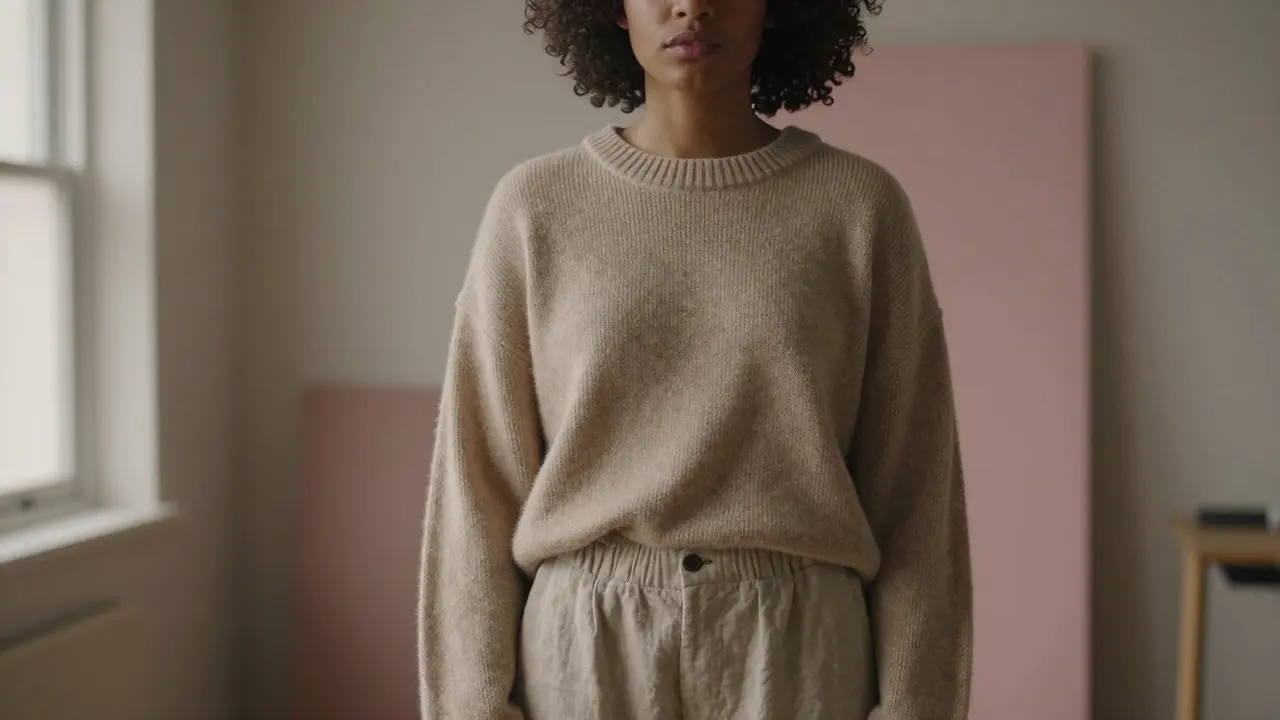
| Vulnerable & Intimate | Muted pastels, beige, soft pink | Oversized knits, linen, bare skin | Close-ups, natural light, shallow depth of field |
| Bold & Empowering | Neon accents, black, gold | Structured suits, leather, statement jewelry | Dramatic shadows, high contrast, studio lighting |
| Retro & Nostalgic | Faded blues, sepia, warm browns | Vintage band tees, flared jeans, pearls | Grainy film look, candid shots, retro filters |
Vocal Identity and Sonic Signature
Your voice is your most powerful tool, but it needs a context. How you sing tells a story just as much as what you sing. Are you whispering secrets? Are you belting out pain? Your vocal delivery should match your visual persona. If your visuals are dark and moody, a breathy, intimate vocal style works well. If your visuals are bright and energetic, a more rhythmic, spoken-word approach might fit better. Experiment with different ad-libs, harmonies, and production styles to find your sonic fingerprint. This could be a specific reverb effect you always use, a particular way you start a chorus, or a unique melodic pattern. Over time, listeners will recognize your sound without hearing your name. This is the ultimate goal of sonic branding.
Narrative Arcs and Storytelling
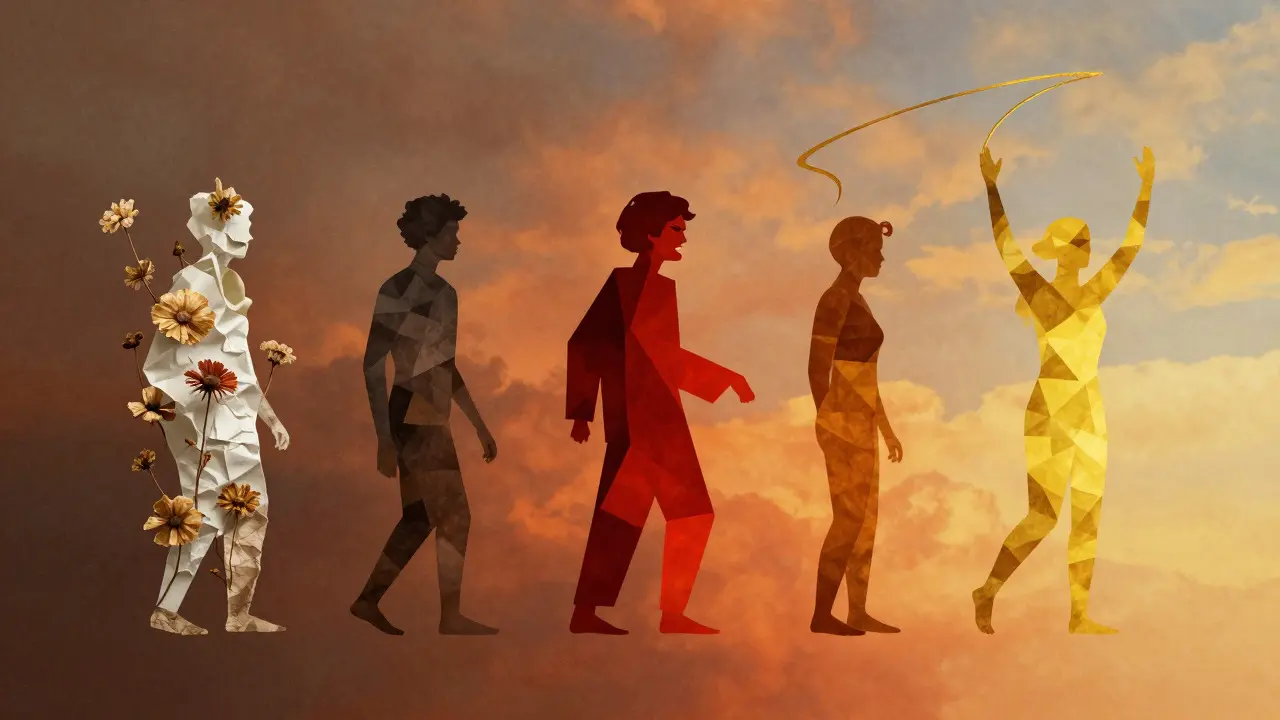
A persona is not static; it evolves. Just like a movie character, your artist identity should have an arc. Plan out a narrative for your next six months. Maybe you start with themes of healing, move through anger, and end with empowerment. Each single release should advance this story. Use social media to fill in the gaps between songs. Share behind-the-scenes moments that align with the current chapter of your story. If you are in the "healing" phase, share posts about therapy, nature walks, or journaling. This keeps the fan engaged in the journey, not just the destination. It transforms passive listeners into active participants in your life. They become invested in where you go next because they care about the character.
Digital Presence and Fan Engagement
Your online presence is your home base. Keep your bio, profile picture, and highlight reels consistent with your visual identity. But don't stop at aesthetics. Engage with your community in a way that reflects your persona. If your character is witty and sarcastic, reply to comments with humor. If your character is deep and thoughtful, write longer captions that invite reflection. Use platforms like Instagram and TikTok to show different facets of your personality. Short-form video allows you to show your daily life, making the persona feel real and accessible. However, maintain boundaries. The persona is an artistic creation, so it is okay to keep some parts of your private life separate. This balance protects your mental health while keeping the brand strong.
Common Pitfalls to Avoid
Many new artists make the mistake of changing their look too often. While evolution is good, radical shifts can confuse your audience. Stick to a core theme and tweak the details. Another common error is ignoring the audio-visual sync. If your video looks like a pop star but your song sounds like lo-fi hip-hop, the disconnect is jarring. Always ensure your production choices support your visual choices. Finally, don't forget the power of silence. Not every moment needs to be loud or flashy. Sometimes, a simple, unfiltered post connects more deeply than a highly produced video. Trust your instincts and stay true to the core of who you are trying to portray.
How long does it take to establish a strong artist persona?
It typically takes 6 to 12 months of consistent output for a persona to become recognizable. During this period, you are building patterns in your audience's minds. Consistency is more important than perfection in the early stages.
Can I change my persona after gaining fame?
Yes, but transition slowly. Announce the shift clearly through a new era launch, such as a new album or single. Give fans a reason for the change by connecting it to personal growth or artistic evolution. Abrupt changes without context can alienate loyal followers.
What is the difference between a persona and an alter ego?
A persona is a curated version of your real self, highlighting specific traits for artistic purposes. An alter ego is a completely fictional character with no direct link to your real identity. Most R&B artists operate within the persona model, as authenticity drives connection in this genre.
How do I choose a color palette for my brand?
Start with your core emotions. List three words that describe your music (e.g., sad, smooth, hopeful). Then, find colors associated with those feelings. Test these colors in mockups for album covers and social media posts to see if they feel right visually and emotionally.
Is hiring a stylist necessary for building a persona?
Not initially. You can learn styling basics and curate your own look. However, as your budget grows, a stylist can help refine your aesthetic and ensure professional quality. Start by defining your vision clearly so any collaborator understands your goals.