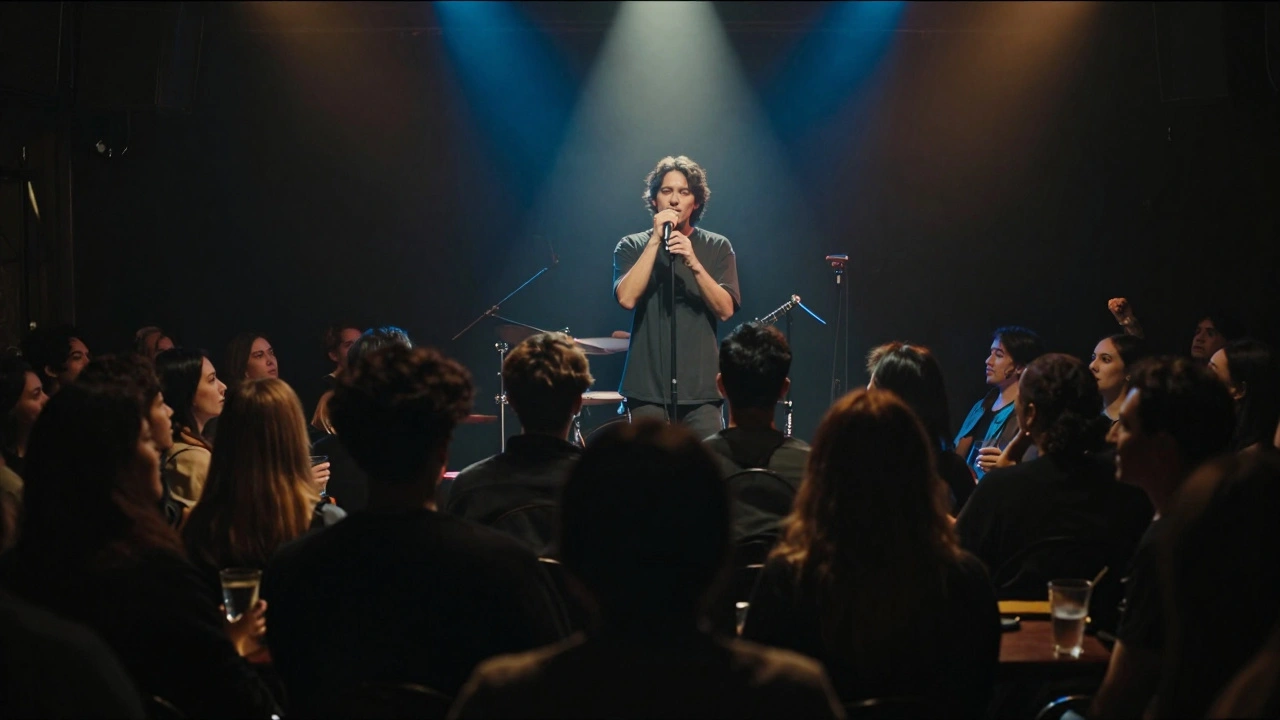
Opening a show is one of the hardest jobs in music. You walk onto a stage where the crowd is still finding their seats, holding drinks, and talking to each other. Your job isn't just to play good songs; it's to win them over before they even realize you're there. This is where Alli Starr, known as The Rock Star's Coach, steps in. She doesn't just teach vocal techniques or guitar riffs. She teaches performers how to command a room, maintain energy, and deliver a consistent set night after night, regardless of the venue size or audience mood.
If you've ever felt like your energy dips halfway through a set or that you struggle to connect with a cold crowd, Starr’s methods offer a practical blueprint. Her approach blends psychological conditioning with physical stagecraft, turning erratic performances into reliable, high-impact shows. Here is how she coaches openers to master consistency.
The Psychology of the Cold Crowd
Most openers make the mistake of playing to the band behind them instead of the people in front of them. Starr emphasizes that an opener must treat every show as if it were a sold-out arena. The first step in her coaching is shifting the performer's mindset from "hoping" for attention to "demanding" it.
Why do openers often fail to engage the audience?
Openers often fail because they assume the audience is already interested. In reality, the crowd is distracted, tired, or skeptical. Without active engagement strategies, the performer becomes background noise rather than the main event.
Starr teaches her clients to identify the "energy anchors" in the room. These are usually the first few rows or specific individuals who respond to eye contact. By locking onto these anchors, a performer can create a feedback loop of energy. If you ignore the crowd, they ignore you. If you acknowledge them, even subtly, they begin to invest in your performance.
This isn't about being loud; it's about being present. A quiet song played with intense focus can be more powerful than a screaming anthem delivered with dead eyes. Starr drills this concept until it becomes second nature, ensuring that consistency comes from internal confidence rather than external validation.
Physical Stage Presence and Movement
Consistency isn't just mental; it's physical. Many musicians freeze up on stage, standing still behind a mic stand or hunched over their instrument. Starr works extensively on body language, teaching performers to use space effectively. She calls this "owning the square footage."
- Mic Stand Technique: Don't hide behind it. Use it as a prop, lean into it, or step away from it entirely when possible.
- Eye Contact Rotation: Scan the room systematically. Left side, right side, center, back. This ensures everyone feels seen.
- Gestural Economy: Avoid nervous fidgeting. Every movement should have purpose, whether it's pointing to a section of the crowd or emphasizing a lyric.
She also focuses on stamina. A consistent show requires sustained energy for 45 minutes to an hour. Performers who burn out in the first ten minutes will suffer during the finale. Starr incorporates light cardio and breathing exercises into pre-show routines to ensure lungs stay strong and legs don't tire.
Consider the difference between a performer who paces nervously and one who moves with intention. The latter projects control. When you control your body, you signal to the audience that you are in charge of the experience. This projection of authority helps stabilize the energy levels throughout the set, preventing the dreaded mid-set slump.
Vocal Health and Warm-Up Routines
You cannot have a consistent show if your voice cracks or fades. Starr places heavy emphasis on vocal preservation. Touring takes a toll on the body, and openers often have less time to recover between soundcheck and showtime. Her coaching includes strict protocols for hydration, rest, and warm-ups.
| Activity | Timing | Purpose |
|---|---|---|
| Hydration | 2 hours before show | Keep vocal cords lubricated |
| Humming Exercises | 30 minutes before show | Gentle activation without strain |
| Sirens | 15 minutes before show | Full range exploration |
| Steam Inhalation | Post-show | Recovery and inflammation reduction |
Starr warns against common mistakes like drinking ice-cold water right before singing or relying solely on caffeine. Caffeine dehydrates the throat, making vocals dry and brittle. Instead, she recommends room-temperature water and herbal teas. Consistency means showing up with the same vocal quality every night, which requires treating your voice like an athlete treats their muscles.
She also teaches "vocal pacing." Not every song needs to be sung at maximum intensity. Smart performers save their breath for the choruses and let verses breathe. This strategic conservation allows for a powerful finish, leaving the audience wanting more rather than feeling drained by the end.

Setlist Strategy and Pacing
A great setlist is more than just a list of songs; it's a narrative arc. Starr helps openers structure their sets to build momentum. Starting too slow kills interest, while starting too fast can exhaust the audience early. The key is dynamic contrast.
Her typical formula involves:
- The Hook: Start with a recognizable or high-energy track to grab attention immediately.
- The Build: Follow with medium-tempo songs that allow for lyrical connection.
- The Peak: Place the strongest, most anthemic songs in the middle to sustain energy.
- The Closer: End on a high note, ideally a song that leaves a lasting impression.
Consistency here means knowing exactly how much time you have and sticking to it. Running over time angers the headliner and frustrates the audience waiting for the main act. Starr drills timing down to the minute, including banter and transitions. Every second counts.
She also advises against changing the setlist nightly unless necessary. While variety is good, consistency builds familiarity. If a song works, keep it. If it flops, cut it. Data-driven decisions lead to better shows. Keep a journal of what resonates with different crowds and adjust accordingly.
Handling Adversity and Mistakes
No matter how prepared you are, things will go wrong. A string breaks, a monitor fails, or you forget a lyric. Starr’s coaching includes crisis management training. The goal is not perfection but resilience. How you handle a mistake defines your professionalism more than the mistake itself.
She teaches the "pause and pivot" technique. If something goes wrong, pause briefly, smile, and move on. Don't apologize profusely or draw attention to the error. Audiences forgive technical glitches if the performer remains confident. Dwelling on errors breaks the spell and reduces consistency.
For example, if your mic cuts out, switch to acapella for a verse or gesture to the sound engineer calmly. Never yell at crew members in front of the audience. It looks unprofessional and shifts focus away from your music. Maintain composure, and the crowd will respect your poise.
This mental toughness is crucial for long-term success. Tours are grueling, and bad nights happen. The ability to bounce back quickly ensures that one bad show doesn't derail your reputation. Consistency is built on recovery, not just preparation.

Building Relationships with Headliners and Crew
Your reputation as an opener extends beyond the audience. Starr emphasizes the importance of relationships with headliners, promoters, and road crews. Being easy to work with leads to more opportunities. Being difficult gets you blacklisted.
Arrive on time, respect load-in times, and be polite to everyone from the security guard to the tour manager. Small gestures, like offering help with cables or thanking the sound engineer, go a long way. These relationships create a support network that can help you troubleshoot issues on the fly.
Furthermore, observe the headliner. Learn from their stage presence, their interaction with the crowd, and their setlist structure. Take notes. This observational learning accelerates your growth and helps you understand what works at a higher level. Apply those lessons to your own performances, adapting them to fit your style.
Networking isn't just about business cards; it's about genuine human connection. Treat every person on tour with respect, and they will remember you positively. This social capital contributes to career longevity and opens doors to future gigs.
Measuring Success Beyond Applause
How do you know if you're improving? Starr encourages performers to record every show. Video and audio recordings provide objective data on your performance. Watch for moments where energy dipped, where eye contact was weak, or where vocals faltered.
Use these recordings to set specific goals for the next show. Did you speak clearly during intros? Did you hit all the high notes? Did you move across the stage evenly? Track these metrics over time to see progress. Consistency is a marathon, not a sprint.
Additionally, seek feedback from trusted peers or mentors. Sometimes we are blind to our own flaws. An outside perspective can highlight areas for improvement that you might miss. Be open to criticism and use it constructively.
Finally, celebrate small wins. Maybe you connected with a shy fan in the back row. Maybe you nailed a difficult transition. Acknowledge these successes to build confidence. Positive reinforcement fuels motivation and drives continuous improvement.
What is the most important thing an opener can do to succeed?
The most important thing is to treat the audience with respect and give them a complete, energetic performance regardless of their initial reaction. Winning over a cold crowd demonstrates true skill and professionalism.
How does Alli Starr define stage consistency?
Stage consistency means delivering the same high level of energy, vocal quality, and audience engagement every night, despite varying venues, crowds, and personal circumstances. It relies on routine, preparation, and mental resilience.
Can beginners benefit from Starr's coaching methods?
Yes, absolutely. While Starr works with professionals, her principles of stage presence, vocal care, and mindset are applicable to any performer looking to improve their live shows. Early adoption of these habits prevents bad patterns from forming.
Why is vocal health critical for openers specifically?
Openers often perform in suboptimal conditions, such as poor sound systems or noisy venues, which forces them to push their voices harder. Without proper care, vocal damage can occur quickly, ruining future performances and limiting career potential.
How should an opener handle a hostile or unresponsive crowd?
Stay professional and focused. Do not take it personally. Increase your energy slightly to try to break through, but avoid aggression. Focus on the few positive responders and let your performance speak for itself. Often, persistence wins over skepticism.