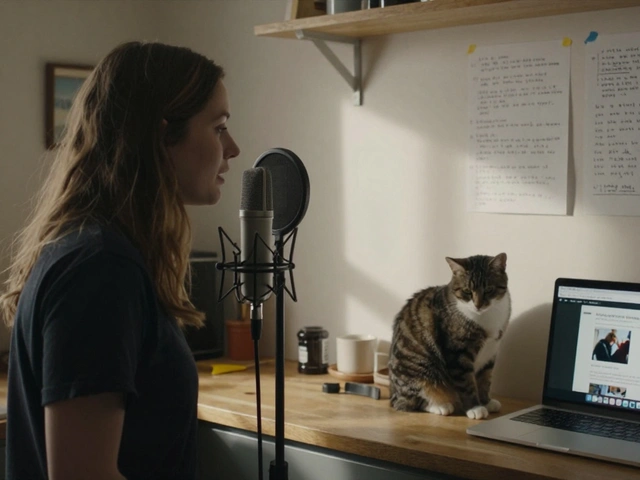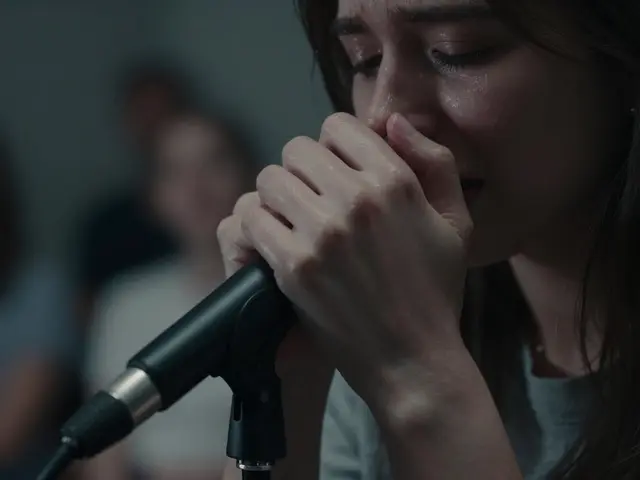
Most musicians talk about heartbreak, fame, or the grind. Very few talk about dying-until they have to. Alli Starr is a soul singer and vocal coach who uses her platform to normalize conversations around death, loss, and legacy through music. In recent interviews, she has shifted the needle on how artists discuss mortality, moving away from poetic metaphors toward direct, sensitive dialogue that resonates with fans navigating their own grief. This approach isn't just artistic flair; it’s a deliberate strategy to reduce stigma in communities where talking about death feels taboo.
When you listen to Starr’s recent press cycles, you notice a pattern. She doesn’t hide behind lyrics. She asks the hard questions. How do we prepare for the end? What does it mean to leave something behind? These topics usually sit in the realm of end-of-life care is the medical and social support provided to individuals nearing the end of life, focusing on comfort and dignity rather than cure. By bringing this into the world of soul music, she bridges two worlds that rarely intersect: high-energy performance and quiet reflection.
The Shift from Metaphor to Direct Dialogue
Traditionally, soul music deals with pain through metaphor. A broken heart is a "thorn," a lost love is a "storm." But Starr argues that when it comes to death, metaphors can feel distant. They keep the listener safe but also detached. In an interview with a major music outlet last year, she noted that her fans wanted clarity, not riddles. "People are scared because they don't know what to expect," she said. "So I tell them exactly what it looks like, so they can stop fearing the unknown."
This directness changes the dynamic of the interview itself. Instead of the journalist asking leading questions about her latest album's themes, Starr often redirects the conversation toward practical wisdom. She talks about hospice experiences, the importance of advance directives, and the emotional labor of being a caregiver. For a genre known for its emotional intensity, this adds a layer of emotional intelligence is the ability to understand, use, and manage emotions in positive ways to facilitate goals. It turns a standard promotional chat into a masterclass on living fully.
Why Mortality Awareness Matters in Art
You might wonder why a pop-soul artist would focus so heavily on death. The answer lies in the concept of mortality salience is the psychological state of being acutely aware of one's own impending death, which influences behavior and values. When people are reminded of their finite time, they tend to value relationships and authenticity over status and wealth. Starr leverages this by using her interviews to remind audiences to check in with themselves. It’s not morbid; it’s liberating.
Consider the impact on her fanbase. Many of her listeners are in their 30s and 40s, ages where parents start aging and health issues become more visible. By speaking openly about death, she gives them permission to do the same. This creates a feedback loop: fans feel seen, they share their stories online, and the community grows stronger. It’s a form of community building is the process of creating a group of people with shared interests or identities who interact regularly. that goes beyond concert tickets and merchandise sales.
| Aspect | Traditional Artist Approach | Alli Starr’s Approach |
|---|---|---|
| Language Used | Poetic metaphors (e.g., "crossing the rainbow bridge") | Direct, clinical yet warm terms (e.g., "hospice," "legacy planning") |
| Emotional Tone | Melancholic, abstract, universal | Specific, personal, actionable |
| Listener Takeaway | Feeling understood in grief | Practical steps for preparation and acceptance |
| Impact on Stigma | Maintains distance from the topic | Normalizes open discussion in mainstream media |

The Role of Vocal Coaching in Emotional Expression
Starr isn’t just a performer; she’s a vocal coach. This dual role allows her to speak about death with technical precision. She understands how breath control affects emotional delivery. When she sings about loss, she knows exactly how to modulate her voice to convey vulnerability without breaking down. This expertise translates into her interviews. She doesn’t just talk about feelings; she explains the mechanics behind them.
For example, she often discusses how vocal fatigue is a condition caused by overuse or strain of the voice, leading to hoarseness or loss of range. can be a physical manifestation of stress. If your body is holding tension, your voice will show it. So, when preparing for a difficult conversation about death, she advises taking deep breaths and grounding yourself. It’s practical advice that applies to any high-stakes interaction, not just singing.
Challenges in Mainstream Media
Not everyone appreciates this shift. Some industry insiders argue that keeping things light sells more records. They worry that talking about death might scare off younger demographics who prefer upbeat content. But data suggests otherwise. Articles featuring Starr’s candid discussions often see higher engagement rates on social media. Comments sections fill up with personal anecdotes, showing that people are hungry for this kind of honesty.
There is also a risk of misinterpretation. Without context, a talk about death can sound depressing. To counter this, Starr always pairs her serious insights with moments of humor or hope. She reminds us that acknowledging death makes life more vibrant. It’s a balance between existential dread is anxiety arising from the realization of one's existence and inevitable death. and gratitude. Her interviews serve as a roadmap for maintaining that balance.

Practical Lessons for Musicians and Fans
If you’re a musician looking to adopt a similar approach, start small. You don’t need to announce your own mortality on every podcast. Instead, ask deeper questions during interviews. What does success mean when you’re gone? Who will carry your torch? These questions force both you and the interviewer to think beyond the immediate moment.
For fans, the lesson is about active listening. When an artist speaks about death, don’t just nod along. Reflect on what they’re saying. How does it apply to your life? Are you avoiding conversations with your family about their wishes? Use the interview as a prompt for action. This transforms passive consumption into active engagement with your own life story.
Frequently Asked Questions
Who is Alli Starr?
Alli Starr is a soul singer and vocal coach known for integrating themes of mortality and legacy into her music and public appearances. She uses her platform to normalize discussions about death and end-of-life care.
Why does Alli Starr talk about death in interviews?
She believes that direct conversation reduces fear and stigma. By addressing mortality head-on, she helps her audience prepare emotionally and practically for life’s final chapters, fostering a sense of community and shared understanding.
How does this approach differ from traditional soul music themes?
Traditional soul music often uses metaphors for pain and loss. Starr’s approach is more literal and practical, discussing specific concepts like hospice care and legacy planning, which provides actionable insights rather than just emotional resonance.
What is the impact of her interviews on fans?
Fans report feeling less isolated in their grief and more empowered to have difficult conversations with family members. The interviews act as a catalyst for personal reflection and proactive life planning.
Can other musicians adopt this style?
Yes, but it requires authenticity. Musicians should only discuss topics they are comfortable with and have experience in. Starting with smaller, related topics like mental health or career longevity can help build up to heavier subjects like death.