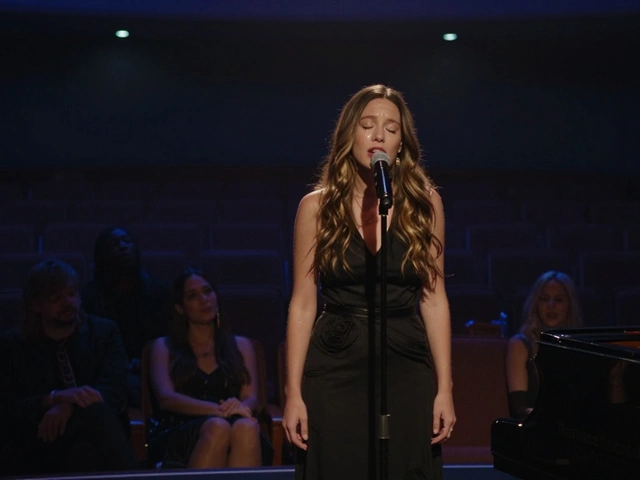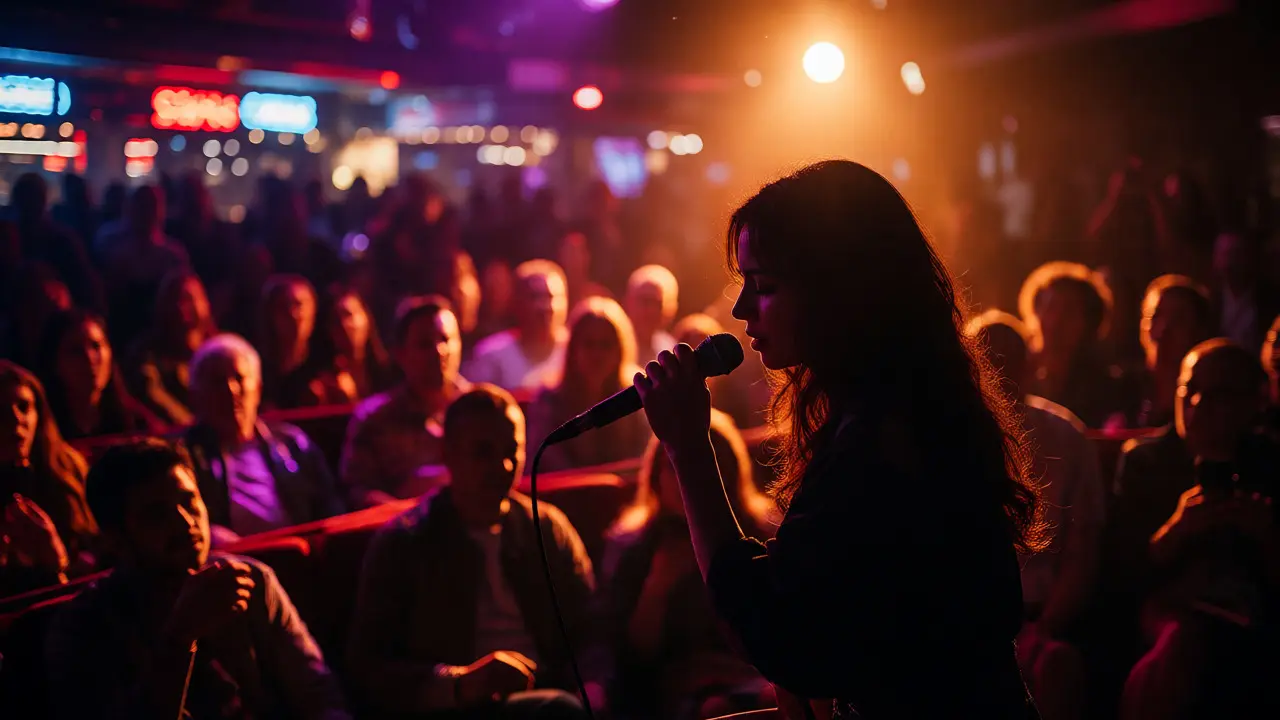
Imagine standing on a stage where every cough, laugh, and silence from the crowd hits you like a physical force. That is the reality for Alli Starr, who uses her Las Vegas residencies as a high-stakes laboratory for her evolving solo identity. For many artists, recording studios are safe bubbles where mistakes can be edited out. But live venues? They don’t lie. If a new song doesn’t land, you feel it instantly. This article breaks down exactly how Alli leverages the unique pressure cooker of Vegas to refine her sound before releasing it to the world.
| Factor | Standard Tour Stop | Vegas Residency |
|---|---|---|
| Audience Demographic | Pre-existing fans only | Mixed: Fans + Curious Tourists |
| Performance Frequency | Once per city | Nightly or weekly repetitions |
| Risk Tolerance | Low (must satisfy ticket buyers) | Medium (experimentation expected) |
| Data Collection | General vibe check | Specific reaction tracking per lyric |
The Psychology of the Vegas Crowd
Most people think Las Vegas is just about gambling and neon lights. In reality, it’s one of the most diverse entertainment hubs in the country. When Alli steps onto that stage, she isn’t playing to a room of people who already know every word to her old hits. She’s often performing for tourists looking for a good time. This creates a fascinating dynamic. You can’t hide behind nostalgia. If your new material is weak, the phone screens light up like fireflies. If it’s strong, those phones go down, and eyes stay locked on you.
This immediate feedback loop is invaluable. During a standard tour, you might play a new song once in Chicago and once in Denver. Two data points aren’t enough to tell you if the song works or if the venue just had bad acoustics. In a residency, Alli can play the same experimental track five nights in a row. She tweaks the bridge on Tuesday, changes the tempo on Wednesday, and drops the second verse entirely by Friday. By Saturday, she knows exactly what sticks.
Structuring the Setlist for Experimentation
You don’t just throw random songs into a setlist and hope for the best. Alli treats the show like a narrative arc. The first few songs are guaranteed winners-tracks that get people dancing and nodding along. This builds trust. Once the audience is comfortable, she introduces the new material. It’s usually placed in the middle of the set, after the energy has peaked but before the final encore.
- The Hook Test: Does the chorus grab them within eight bars?
- The Lull Check: Does the crowd start talking during the verses?
- The Sing-Along Factor: Do they try to learn the lyrics in real-time?
If the crowd starts checking their watches during a ballad, Alli knows the arrangement is too long. She cuts it down the next night. It’s brutal efficiency, but it saves months of guessing in the studio later.

Technical Adjustments in Real-Time
Sound engineers in Vegas are some of the best in the business. They’re used to adapting to different acts quickly. Alli works closely with her audio team to test not just the songwriting, but the sonic texture. Maybe the synth line sounds great on headphones but gets muddy under the heavy bass frequencies of a large casino showroom. She finds this out in minutes.
She also tests vocal endurance. A new song might require a higher range or more breath control than her previous work. Doing it three nights in a week reveals fatigue patterns that a single rehearsal won’t. If she loses power in the third chorus by Thursday, she adjusts the key or simplifies the melody before the weekend rush arrives.
Reading the Room vs. Reading Data
Some artists rely heavily on social media polls or streaming stats. Alli trusts her gut and her ears. While she does monitor online chatter after shows, nothing beats the visceral reaction of a live audience. There’s a specific kind of silence that happens when people are genuinely moved. It’s different from the awkward silence of confusion. Learning to distinguish between these two is a skill that takes years to master.
For example, during one residency run, she introduced a stripped-back acoustic version of an upbeat pop track. Online, fans complained it was "boring." But live, the room went dead quiet, leaning in to listen. That intimacy translated to a deeper connection. She kept the arrangement. Had she relied solely on digital metrics, she might have scrapped a fan-favorite moment.
Balancing Identity and Innovation
The biggest challenge in testing new material is maintaining brand consistency. Fans follow artists for a specific vibe. Shifting too fast can alienate them. Alli uses her Vegas residency to find the sweet spot between familiar comfort and fresh excitement. She doesn’t change her entire persona overnight. Instead, she layers new elements onto her existing style.
Think of it like renovating a house. You don’t tear down the foundation. You update the kitchen. One night, she might add a jazz chord progression to a pop song. Another night, she tries a spoken-word intro. Small tweaks keep the core identity intact while signaling growth. This gradual evolution prevents the "sell-out" accusations that often plague artists who pivot too aggressively.
The Post-Residency Review Process
After the residency ends, the real work begins. Alli reviews recordings of each night. She marks timestamps where applause spiked or died away. She compares these moments across multiple performances. Songs that consistently perform well move to the top of the release queue. Songs that flop go back to the drawing board-or into the trash.
This process reduces risk. When she finally releases the album, the tracks are battle-tested. They’ve survived the scrutiny of thousands of strangers. There’s a confidence in that knowledge. You know the music works because you watched people react to it, night after night, under the bright lights of Sin City.
Why is Las Vegas better for testing new songs than other cities?
Vegas audiences are often mixed, including both dedicated fans and casual tourists seeking entertainment. This diversity provides a broader range of reactions compared to tour stops filled exclusively with pre-existing fans. Additionally, the frequency of nightly or weekly shows allows for rapid iteration and adjustment of arrangements based on immediate feedback.
Does Alli Starr record every residency show?
Yes, professional multitrack recordings are typically made of each performance. These allow her to analyze vocal delivery, instrumental balance, and audience reaction spikes at specific timestamps. This data helps identify which parts of a song resonate most effectively.
What happens if a new song fails during a residency?
If a song consistently receives negative or indifferent reactions, it is either significantly rearranged, cut from the setlist, or sent back for re-recording. The low stakes of a single night in a long residency allow artists to take risks without jeopardizing their overall career trajectory.
How does the residency impact her creative confidence?
Performing new material repeatedly builds muscle memory and confidence. Knowing that a song has been successfully tested in front of live crowds reduces anxiety during official releases. It transforms uncertainty into proven appeal.
Do fans notice the changes in the songs?
Attentive fans often notice subtle improvements in arrangement or vocal delivery. Many appreciate seeing an artist evolve in real-time. Social media discussions frequently highlight these live variations, creating additional engagement around the upcoming album.