You might think Alli Starr is just another singer with a smooth voice and a catchy hook. But watch her perform live, and you’ll see something else entirely: an instinct for melody that feels almost dangerous. It’s not just talent; it’s training. And the secret weapon in her arsenal? Live band karaoke.
This isn’t your typical bar scene where someone mumbles into a mic over a pre-recorded track. This is high-stakes musical sparring. For artists like Alli Starr, stepping up to sing with a real band-no backing tracks, no safety net-is where the real magic happens. It forces you to listen, adapt, and create on the fly. If you’re an aspiring vocalist or just curious about how pros get so good at sounding effortless, here’s why this unconventional practice method works.
The Myth of Perfect Pitch vs. The Reality of Musical Conversation
Most people think singing well means hitting every note perfectly. That’s a beginner’s mindset. In R&B, perfection is boring. What matters is emotional connection and rhythmic precision. When Alli Starr performs with a live band, she can’t rely on a fixed tempo from a computer file. She has to lock in with the drummer’s groove and follow the bassist’s walk-downs.
This dynamic interaction sharpens your ear in ways studio recording never can. You learn to anticipate changes. If the keyboardist decides to add a jazz chord progression mid-verse, you have to pivot instantly. This constant state of alertness builds what musicians call "musical empathy." You stop thinking about your own part and start hearing the whole picture. For Starr, this translated directly into her ability to improvise complex runs without losing the pocket.
Why Backing Tracks Kill Creativity (And Live Bands Save It)
Let’s be honest: backing tracks are convenient. They keep the pitch perfect and the timing tight. But they also make singers lazy. Why risk messing up a run when the track will save you? Live band karaoke removes that crutch. There’s no hidden click track keeping you honest. If you drag, the song drags. If you rush, the band follows-or they don’t.
Consider the difference between these two scenarios:
| Feature | Backing Track Practice | Live Band Karaoke |
|---|---|---|
| Tempo Stability | Fixed by software | Variable, requires human sync |
| Error Recovery | Minimal pressure, easy to redo | High pressure, must fix in real-time |
| Improvisation Freedom | Limited by rigid structure | Open-ended, encourages experimentation |
| Audience Feedback | Delayed or none | Immediate, visceral reaction |
Starr has spoken about how early gigs at open-mic nights with house bands terrified her. She’d forget lyrics because she was too focused on staying on beat. But after months of doing this weekly, her brain rewired. She stopped counting beats and started feeling them. This is crucial for improvisation. You can’t improvise if you’re panicked about keeping time.
Building the "Pocket": How Drummers Teach Singers to Breathe
In R&B, the "pocket" is everything. It’s that sweet spot where the rhythm section locks in and creates a groove so deep you feel it in your chest. Singers often struggle here because they focus on melody, ignoring rhythm. A live band forces you to respect the drum kit.
When Alli Starr sings with a drummer who emphasizes the backbeat, she learns to place her syllables precisely. She doesn’t just sing words; she uses them as percussion instruments. Try this exercise: take a simple phrase like "I love you" and say it along with a metronome set to 90 BPM. Now try it again, but leave space between the words. That space is where the emotion lives. Live bands teach you to trust those spaces. They give you room to breathe, which is essential for long, soulful phrases common in contemporary R&B.
This skill didn’t come overnight. It came from failing publicly. Every time Starr missed a cue, the audience noticed. That feedback loop is faster and harsher than any vocal coach’s critique. It builds resilience. You learn to laugh off mistakes and keep going. That confidence shows in your tone. Listeners can hear when a singer is afraid versus when they’re in command.
Harmonic Awareness: Learning to Listen to Chords, Not Just Melodies
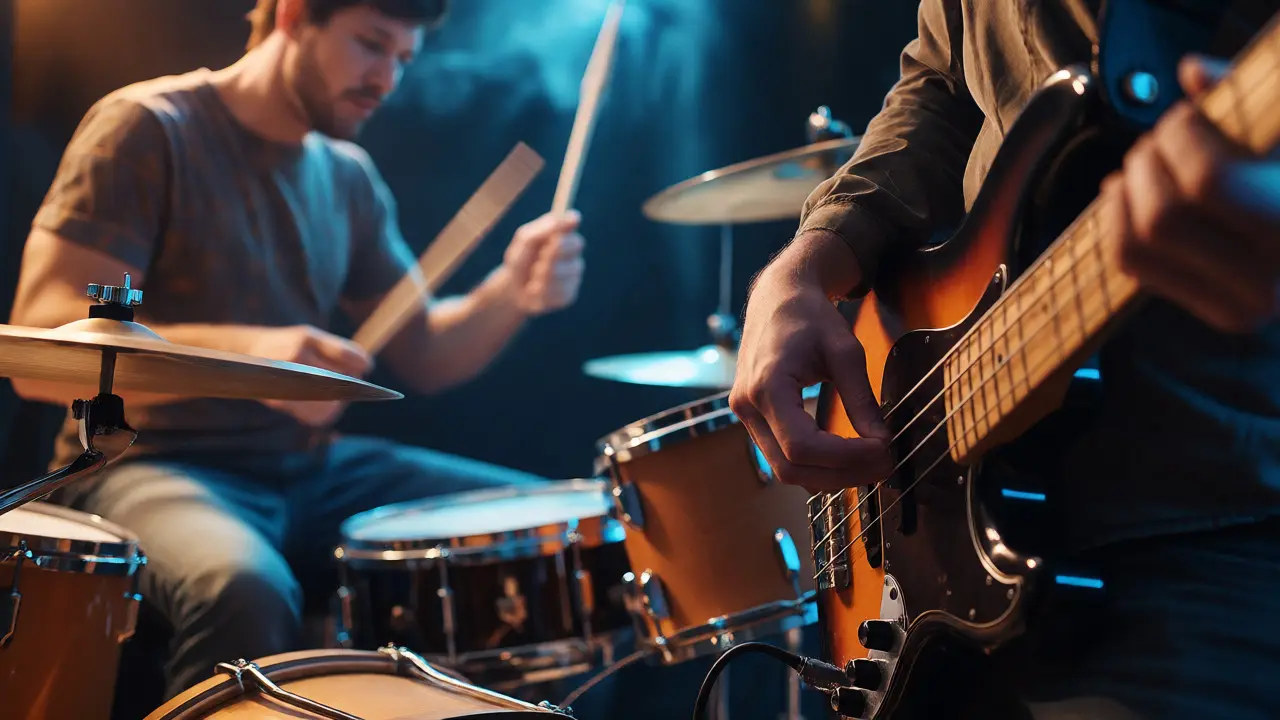
Most amateur singers memorize melodies. Pros understand harmony. When you sing with a live band, you’re surrounded by chords. The guitarist plays a dominant seventh; the bassist outlines the root. Your job is to navigate that landscape. If you stay on the wrong note during a chord change, it clashes.
Starr improved her harmonic awareness by actively listening to the keyboardist during verses. Instead of waiting for her turn to shine, she used the instrumental breaks to analyze the key changes. Did the bridge modulate to a minor key? Did the outro resolve to a major ninth? By paying attention, she learned to choose notes that complemented the underlying harmony rather than fighting against it. This makes improvisations sound intentional, not random.
Here’s a quick checklist for singers wanting to improve their harmonic skills through live performance:
- Identify the Key: Before you start, ask the bandleader what key the song is in. Hum the scale quietly to warm up your ear.
- Watch the Bassist: The bass line usually dictates the chord roots. Follow their movement to anticipate changes.
- Leave Space: Don’t fill every gap with a run. Let the chords breathe. Sometimes silence is more powerful than sound.
- Record Yourself: Use your phone to record live sets. Listen back specifically for moments where your melody clashed with the harmony.
From Karaoke Bars to Stage Presence: Confidence Through Repetition
There’s a psychological component to this too. Performing in front of strangers at a local venue is humbling. You’re not headlining a stadium yet. You’re one person among many trying to be heard. This low-pressure environment allows for experimentation. You can try a weird melodic twist or stretch a note longer than usual without risking a career-ending flop.
For Alli Starr, these small venues became laboratories. She tested different phrasing techniques, played with dynamics, and learned how to work a crowd. By the time she stepped onto larger stages, she wasn’t nervous about the technical aspects. She knew she could handle whatever the band threw at her. That peace of mind lets you focus on storytelling. And storytelling is what separates good singers from great ones.
If you want to replicate this growth, find a local venue that hosts live jam sessions or karaoke nights with a house band. Show up consistently. Bring your A-game, but don’t fear looking silly. The goal isn’t perfection; it’s progress. Each night, challenge yourself to do one thing differently. Maybe you harmonize with the backup singer. Maybe you scat-sing during the intro. Small risks lead to big rewards.

Practical Tips for Integrating Live Performance into Your Routine
You don’t need to quit your day job to benefit from this approach. Even once a month can make a difference. Here’s how to structure your practice around live opportunities:
- Select Songs Wisely: Choose tracks with clear structures but room for interpretation. Standard R&B songs like "Adorn" by Miguel or "Best Part" by Daniel Caesar offer familiar frameworks for experimentation.
- Brief the Band: If possible, talk to the musicians beforehand. Tell them you want to improvise. Ask if they’re comfortable with extended intros or outros.
- Focus on One Element Per Night: Don’t try to master everything at once. One week, focus on rhythmic precision. The next, work on vowel shaping. The third, experiment with volume dynamics.
- Debrief Immediately: After the set, write down three things that worked and three that didn’t. Be honest. Did you lose the audience during the bridge? Did your ad-lib fall flat?
This method turns passive practice into active learning. You’re not just repeating scales in your bedroom; you’re testing theories in real-world conditions. Over time, your instincts sharpen. You begin to hear possibilities before you even open your mouth.
Final Thoughts on Embracing Imperfection
Alli Starr’s journey shows us that technical proficiency alone doesn’t make an artist. It’s the willingness to engage with uncertainty that does. Live band karaoke strips away the polish and reveals the core of your musicality. It demands presence. It asks you to be fully awake and responsive.
If you’re stuck in a rut with your vocals, step outside the booth. Find a band. Step up to the mic. Let the imperfections happen. You’ll likely discover a freer, more expressive version of yourself waiting on the other side of that fear. And who knows? You might just develop the kind of improvisational flair that defines a star.
Is live band karaoke really better than singing with a backing track?
Yes, for developing improvisation skills. Backing tracks provide stability but limit creativity. Live bands require you to adapt to real-time changes, enhancing your rhythmic accuracy and harmonic awareness. This builds the flexibility needed for professional R&B performances.
Do I need to know music theory to improvise with a live band?
Not necessarily. While theory helps, many successful singers learn by ear. Listening closely to the bass and drums can guide your choices. Start by mimicking the instruments’ rhythms and gradually introduce melodic variations. Experience teaches you what sounds right.
How often should I practice with a live band to see improvement?
Consistency matters more than frequency. Once or twice a month is sufficient if you reflect on each session. Regular exposure keeps your ears sharp and reduces performance anxiety. Over time, this leads to noticeable gains in confidence and musical responsiveness.
What should I do if I mess up during a live performance?
Keep going. Audiences rarely notice minor mistakes if you recover quickly. Smile, adjust your pitch, and re-enter the groove. Mistakes are part of live music. Handling them gracefully actually enhances your stage presence and relatability.
Can this technique help non-R&B singers too?
Absolutely. Any genre benefits from live interaction. Jazz singers use it for soloing, pop artists for engaging crowds, and rock vocalists for maintaining energy. The core skill-listening and adapting-is universal across all musical styles.