Have you ever watched a music video and felt the heat radiating off the screen? That is exactly what happens when you hit play on Alli Starr's work. Her videos aren't just background visuals for catchy hooks; they are carefully constructed worlds where the environment tells half the story. Specifically, her use of stark desert locations combined with themes of personal agency and control creates a signature look that stands out in the crowded landscape of modern R&B. It isn't accidental. Every grain of sand and every locked door serves a purpose.
If you are trying to understand how an artist builds a brand through imagery, Alli Starr is a masterclass in consistency. She doesn't just pick pretty backdrops. She uses the isolation of the desert to amplify the intimacy of her lyrics. Let's break down why this specific combination of location and theme works so well, and what other creators can learn from it.
The Psychology of the Desert Setting
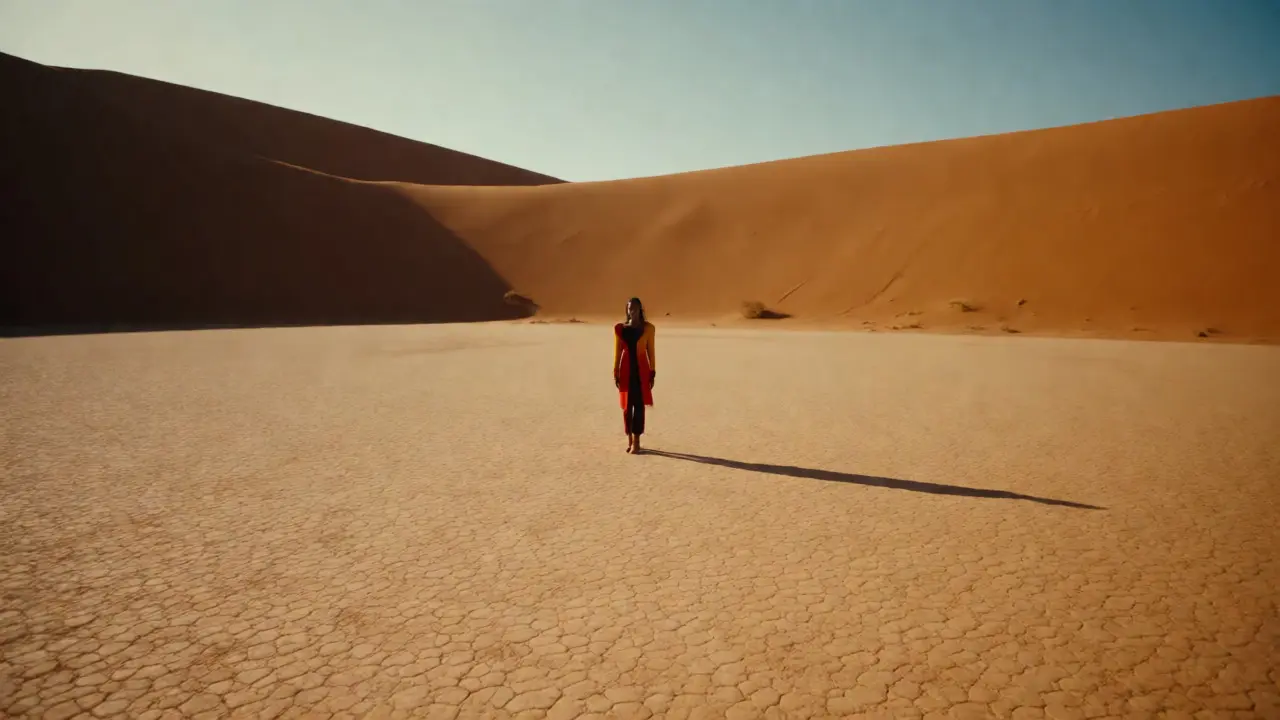
Why the desert? It seems like a strange choice for R&B, a genre often associated with urban clubs, bedroom sets, or lavish mansions. But the desert offers something those settings cannot: silence and exposure. In a city, there are distractions. There are people watching, cars passing, noise filling the gaps. In the desert, there is nowhere to hide.
This setting forces the viewer to focus entirely on the subject. When Alli Starr stands against a backdrop of endless dunes or cracked earth, her presence becomes undeniable. The vastness of the landscape makes her seem both small and powerful at the same time. This contrast is key to her aesthetic. It suggests vulnerability-she is alone-but also resilience, because she thrives in that harsh environment.
Think about the color palette. Deserts offer warm tones: ochres, burnt oranges, deep browns, and pale blues. These colors naturally evoke feelings of warmth, nostalgia, and sometimes danger. They align perfectly with the emotional weight of R&B lyrics, which often deal with love, loss, and desire. The environment mirrors the internal state of the protagonist. You don't need dialogue to feel the tension when the sun beats down on a character who is waiting for someone who might never show up.
Control as a Narrative Device
While the location sets the mood, the theme of control drives the action. In many of Alli Starr’s projects, we see a recurring motif: the struggle for autonomy. Whether it is controlling a relationship, controlling one's own image, or controlling the narrative others try to impose, this theme is woven into the visual fabric.
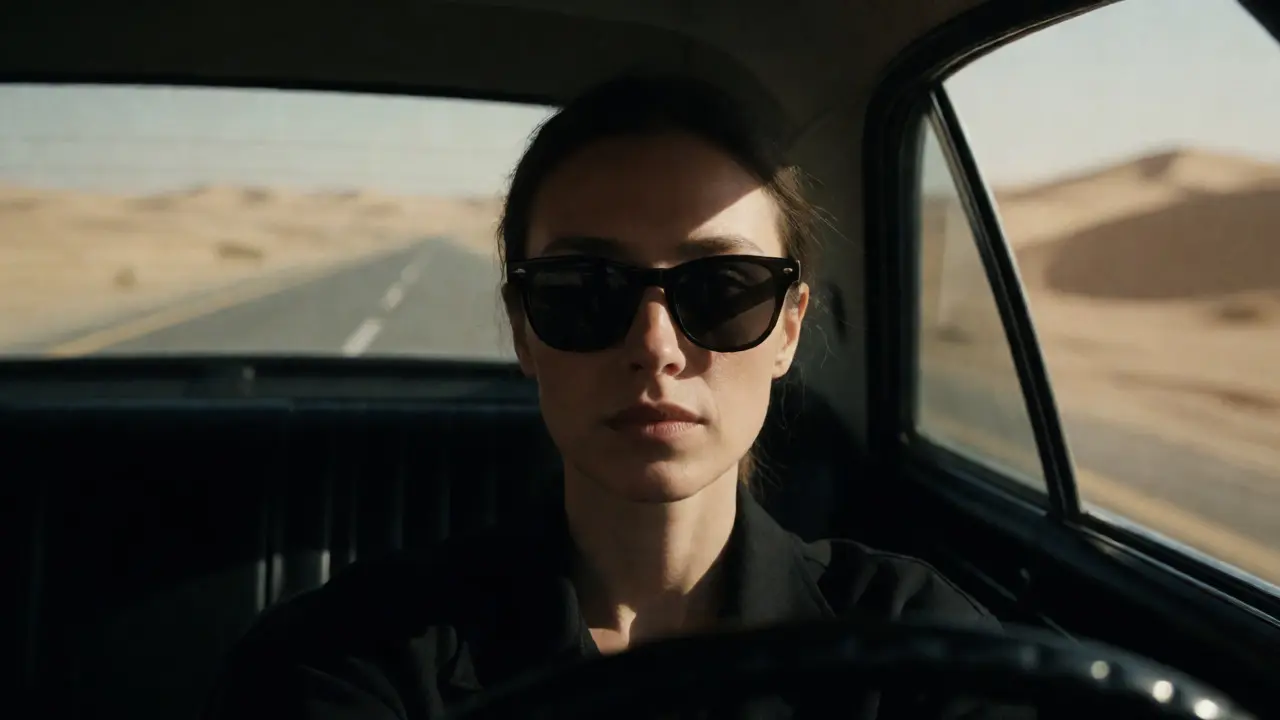
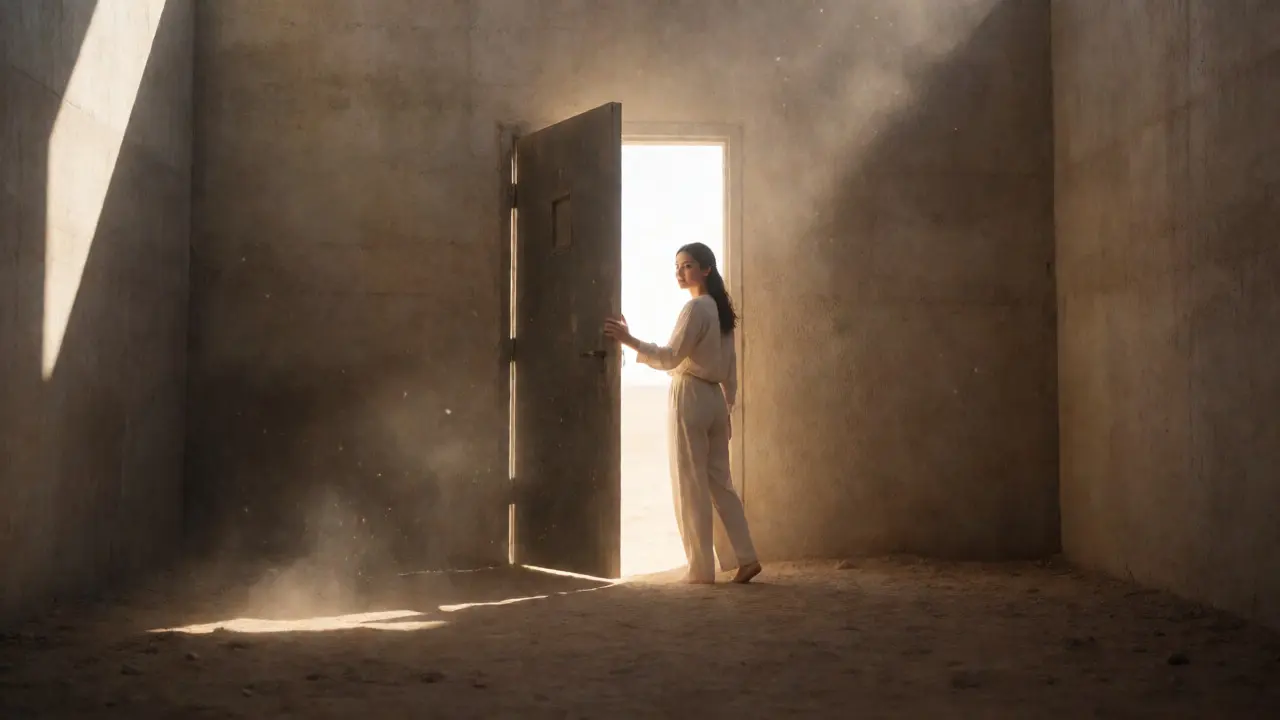
You see this in the way she frames herself. Often, she is not being filmed by a passive camera. She looks directly into the lens. She commands the space. In some scenes, she is driving a car through empty highways, symbolizing movement and direction on her own terms. In others, she is trapped in rooms that slowly open up, representing liberation. These aren't random shots. They are deliberate choices to show power dynamics shifting.
Consider the difference between being observed and observing. Traditional music videos often objectify the performer, making them a passive object of desire. Alli Starr flips this script. By incorporating elements of control-like locking doors, choosing when to leave, or directing the gaze-she reclaims agency. The viewer isn't just watching her; they are witnessing her take charge. This resonates deeply with audiences who value independence and self-determination in their entertainment.
Cinematic Techniques That Reinforce the Theme
How does she actually pull this off technically? It comes down to lighting, framing, and pacing. The lighting in her desert scenes is rarely soft or diffused. It is hard, direct sunlight that casts sharp shadows. This high-contrast lighting adds drama and seriousness to the images. It feels raw and unfiltered, matching the honest tone of her music.
Framing plays a huge role too. Notice how often she is centered in wide shots. This emphasizes her isolation but also her dominance over the frame. There are no cluttered backgrounds to compete with her performance. The composition is clean and intentional. When close-ups happen, they are intense, capturing micro-expressions that reveal the nuance of her emotions. This mix of wide and tight shots keeps the viewer engaged while reinforcing the theme of control-she decides how much of herself you get to see.
Pacing is another critical element. Her videos don't rush. They breathe. There are moments of stillness where nothing moves except the wind or her hair. This patience allows the audience to sit with the emotion. It resists the urge to cut quickly to keep attention, trusting instead that the visual story is strong enough to hold interest. This confidence in the edit reflects the broader theme of control: the artist controls the tempo of the experience.
| Element | Traditional R&B Video | Alli Starr’s Approach | Effect on Viewer |
|---|---|---|---|
| Location | Urban clubs, studios, mansions | Deserts, isolated roads, sparse interiors | Creates sense of solitude and focus |
| Lighting | Soft, flattering, artificial | Hard natural light, high contrast | Adds realism and dramatic tension |
| Agency | Performer is often passive/objectified | Performer directs gaze and action | Empowers the artist and engages viewer |
| Pacing | Rapid cuts, high energy | Slow burns, sustained shots | Allows emotional resonance to build |
The Role of Fashion in Visual Storytelling
You can't talk about Alli Starr’s aesthetic without mentioning her style. Fashion is part of the language she speaks visually. In the desert, clothing choices stand out sharply against the neutral background. She often opts for bold colors or structured silhouettes that contrast with the organic curves of the landscape. This isn't just about looking good; it's about visual hierarchy.
Her outfits often signal status or intent. A tailored suit in the middle of nowhere says something different than a flowing dress. It suggests preparation, intention, and perhaps defiance. When she wears sunglasses indoors or in dim light, it adds a layer of mystery. We can't see her eyes fully, so we have to guess what she is thinking. This keeps the viewer intrigued and reinforces the idea that she holds cards close to her chest.
Moreover, the durability of her fashion choices matters. Desert environments are harsh. Dust, wind, and heat affect fabrics and makeup. Seeing these elements remain intact-or intentionally disrupted-adds authenticity. If her hair is messy from the wind, it feels real. If her clothes are pristine despite the dust, it feels curated. Both approaches tell a story about how much effort she puts into maintaining control over her image.
Why This Aesthetic Resonates Today
We live in an era of information overload. People scroll through hundreds of images and clips daily. Most content is designed to be consumed quickly and forgotten. Alli Starr’s aesthetic pushes back against this trend. It demands attention. It asks you to slow down and interpret the symbols.
This approach appeals to a generation that values authenticity and depth. Audiences are tired of overly polished, generic visuals. They want stories that feel personal and grounded. The desert setting provides a blank canvas onto which complex emotions can be projected. It strips away cultural markers, making the experience more universal. Anyone, regardless of where they live, can relate to feeling exposed or seeking freedom.
Additionally, the theme of control speaks to current social conversations. Discussions about autonomy, consent, and self-expression are prominent in media today. Artists who embody these values in their work connect more deeply with listeners. Alli Starr doesn't preach these ideas; she shows them. And showing is always more powerful than telling.
Lessons for Creators and Fans
If you are a creator, what can you take from this? First, choose your environment wisely. Don't pick a location just because it is easy or cheap. Pick one that enhances your message. If your song is about loneliness, find a place that feels lonely. If it is about chaos, find a place that feels chaotic. The setting should be a character in your story, not just a backdrop.
Second, think about agency. Who has control in your visual narrative? Are you letting the camera dictate the view, or are you guiding the eye? Small choices-like where the subject looks, how they move, and what they wear-can shift the power dynamic significantly. Make sure your visuals support the emotional core of your project.
For fans, appreciating these layers adds richness to the experience. Next time you watch one of her videos, pause and ask yourself: Why is she here? What is she controlling? How does the light make me feel? You will likely notice details you missed before, deepening your connection to the art.
Why does Alli Starr frequently use desert locations?
Alli Starr uses desert locations to create a sense of isolation and focus. The barren landscape removes distractions, forcing viewers to concentrate on her performance and emotions. Additionally, the stark beauty and harsh conditions of the desert mirror the intensity and vulnerability often found in her R&B lyrics, enhancing the overall atmospheric impact of her visual storytelling.
What does the theme of 'control' mean in her music videos?
The theme of control refers to Alli Starr's portrayal of agency and autonomy. Through direct gazes, deliberate movements, and symbolic actions (like closing doors or driving), she asserts power over her narrative and image. This contrasts with traditional portrayals of female artists as passive objects, emphasizing her role as the director of her own destiny within the visual story.
How does lighting contribute to her aesthetic?
Lighting in Alli Starr’s videos often features hard, natural sunlight that creates sharp shadows and high contrast. This technique adds drama and realism, avoiding the overly polished look common in mainstream pop videos. The raw quality of the light complements the authentic, emotionally charged nature of her music and reinforces the serious, introspective tone of her visuals.
Is the desert setting meant to symbolize anything specific?
Yes, the desert often symbolizes a liminal space-a place between origins and destinations. It represents transition, testing, and purification. For Alli Starr, it serves as a metaphorical ground where characters confront their truths without societal distractions. The emptiness allows for a deeper exploration of internal conflicts and desires, making the external journey reflect the internal one.
How does fashion play a role in her visual identity?
Fashion acts as a tool for visual hierarchy and signaling intent. Bold colors and structured silhouettes stand out against the neutral desert backdrop, drawing attention to the artist. Specific choices, like sunglasses or tailored suits, convey mystery, authority, or preparedness. These elements help define her character's attitude and reinforce the themes of control and self-presentation in her narratives.