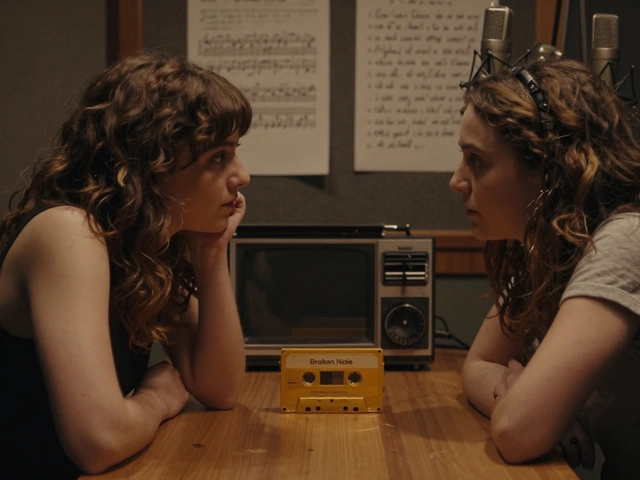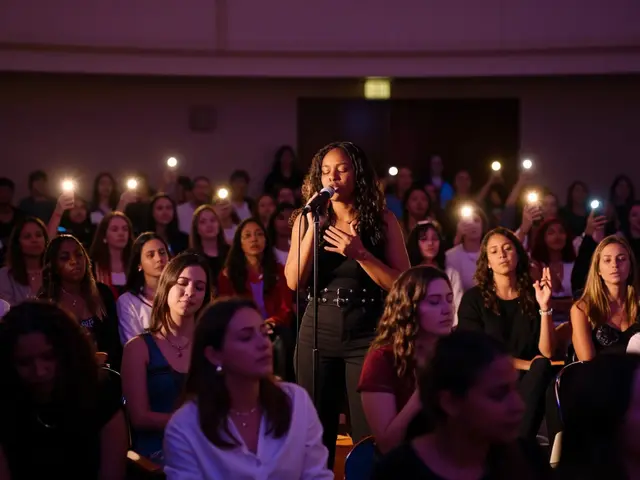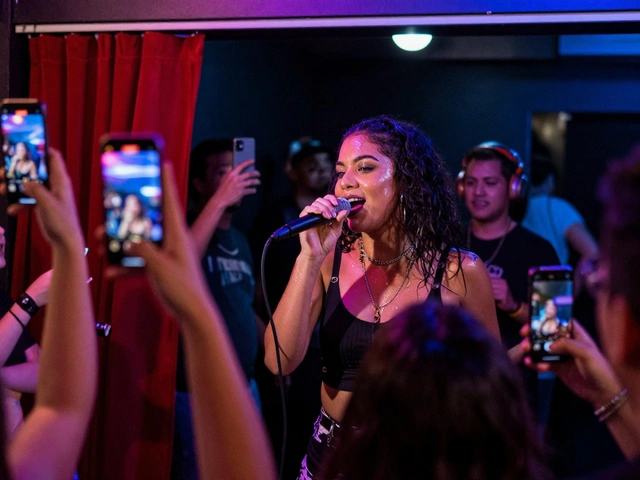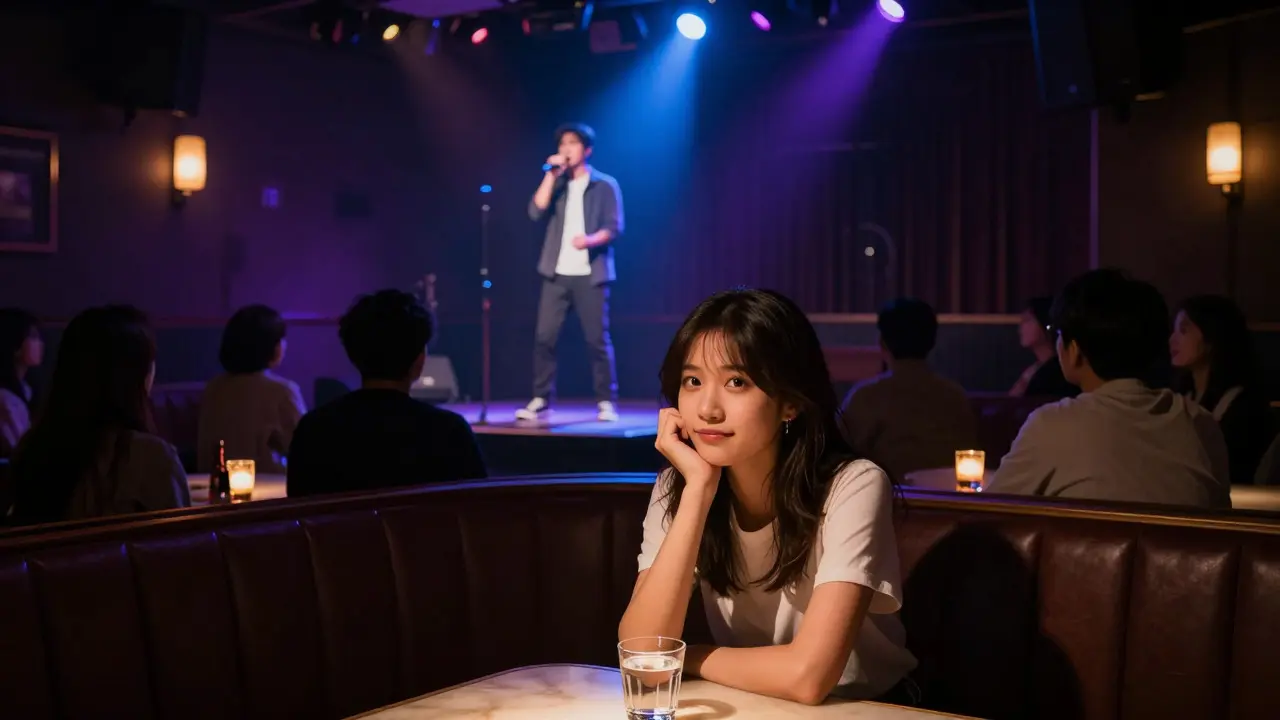
Walk into any live karaoke bar a social venue where participants perform popular songs for an audience and you’ll see the same pattern: a confident few dominate the mic, while the majority watch from the shadows. For many, singing is less about musicality and more about fear of judgment. This is where the work of Alli Starr a vocal coach and performance psychologist specializing in low-anxiety singing environments becomes relevant. Her approach doesn’t rely on forcing participation; instead, it uses specific psychological triggers to lower the barrier to entry for shy performers.
The Barrier: Why Silence Feels Safer Than Singing
To understand how to engage a quiet room, you first have to understand why they are quiet. It isn’t usually a lack of talent. Research in social psychology suggests that the primary driver is Social Anxiety a persistent fear of negative evaluation by others. In a karaoke setting, this manifests as a hyper-awareness of the audience. The shy singer doesn’t worry about hitting the high note; they worry about what people think of them for trying.
Traditional hosting methods often backfire here. When a host calls out names or encourages "come on up," it increases social pressure. The shy participant feels spotlighted before they’ve even decided to sing. Alli Starr’s method flips this dynamic. Instead of pulling people out of their comfort zone abruptly, she creates a "low-stakes bridge." This involves shifting the focus from individual performance to collective experience. The goal isn't to make everyone a star overnight, but to make the act of holding a microphone feel neutral rather than threatening.
The Core Mechanism: Lowering the Stakes
At the heart of this technique is the concept of Psychological Safety an environment where individuals feel safe to take risks and be vulnerable. In a corporate context, this means speaking up in meetings. In a karaoke bar, it means humming along without fear of being mocked. How do you build this quickly? You change the rules of engagement.
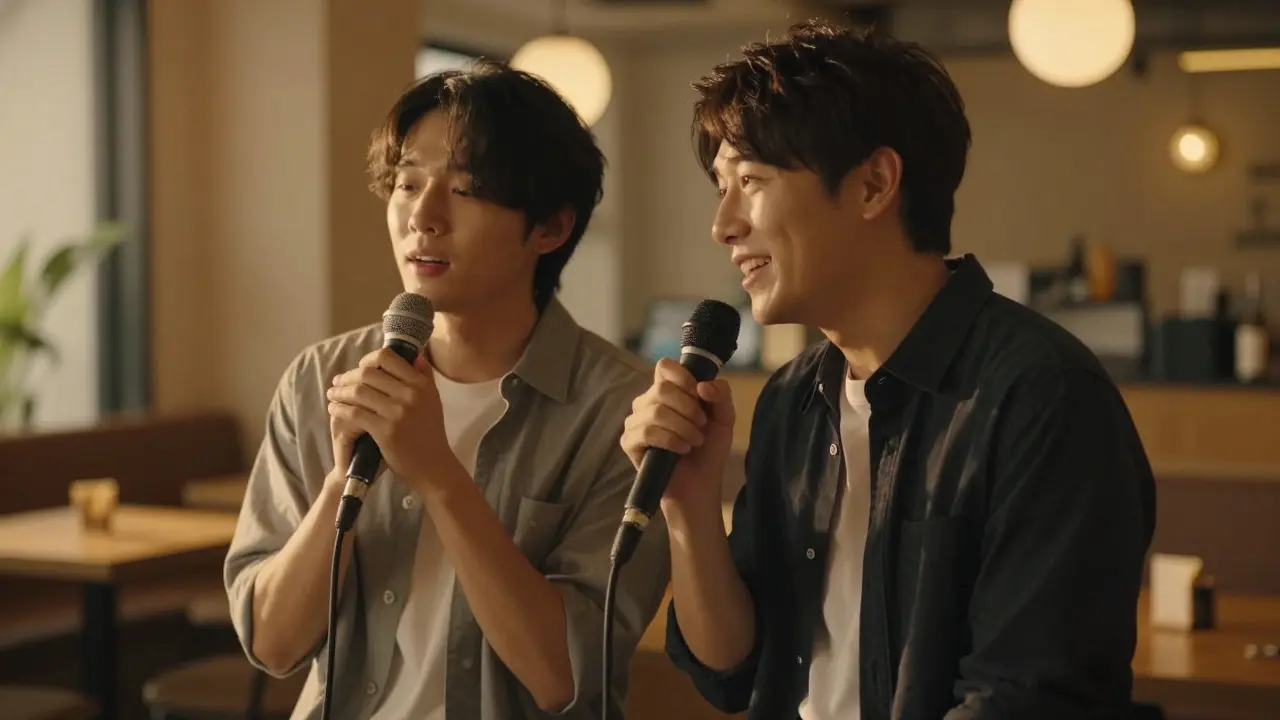
Starr recommends starting with "background participation" rather than foreground performance. This might look like group clapping, simple call-and-response choruses, or duets where the host sings one part and the guest sings the other. By sharing the vocal load, the shy singer’s risk is halved. If they mess up, the host can cover for them. This shared responsibility reduces the perceived cost of failure. It turns the interaction from a test ("Can I sing?") into a game ("Let's make noise together").
Practical Techniques for Hosts and Coaches
You don’t need a degree in psychology to apply these principles. Whether you’re running a local open-mic night or just hosting friends at home, three specific tactics can shift the energy in the room:
- Curate the Playlist for Accessibility: Avoid songs with complex runs or extreme ranges. Choose tracks with repetitive, simple melodies and familiar lyrics. Think pop anthems or classic rock ballads that most people know by heart. Familiarity reduces cognitive load, allowing the singer to focus on comfort rather than recall.
- Use the "Buddy System": Pair a naturally outgoing person with a quieter one. Don’t announce the pairing publicly, which adds pressure. Simply encourage them to stand near each other during warm-ups. The presence of a supportive peer acts as a buffer against anxiety.
- Reframe the Goal: Explicitly tell the group that the goal is fun, not perfection. Use language like "let’s just vibe" or "we’re here to make memories, not records." This verbal cue signals to the brain that judgment is off the table.
The Role of the Environment
Psychology doesn’t happen in a vacuum; it’s heavily influenced by physical space. A cramped, dark room with harsh lighting can amplify feelings of exposure. Conversely, a well-lit area with comfortable seating and good acoustics can subconsciously signal safety. Consider the Acoustic Design the study and application of sound behavior in spaces of your venue. If the reverb is too heavy, it makes pitch accuracy difficult, increasing frustration. Clear, balanced audio ensures that when someone does try, they hear themselves clearly, reinforcing positive feedback loops.
Lighting also plays a subtle role. Warm, ambient lighting tends to relax the nervous system, while bright, direct spotlights can trigger fight-or-flight responses. If possible, use softer stage lighting that illuminates the performer without blinding them or the audience. This small adjustment can make a significant difference in how exposed a shy singer feels.
Measuring Success: Beyond the Mic Drop
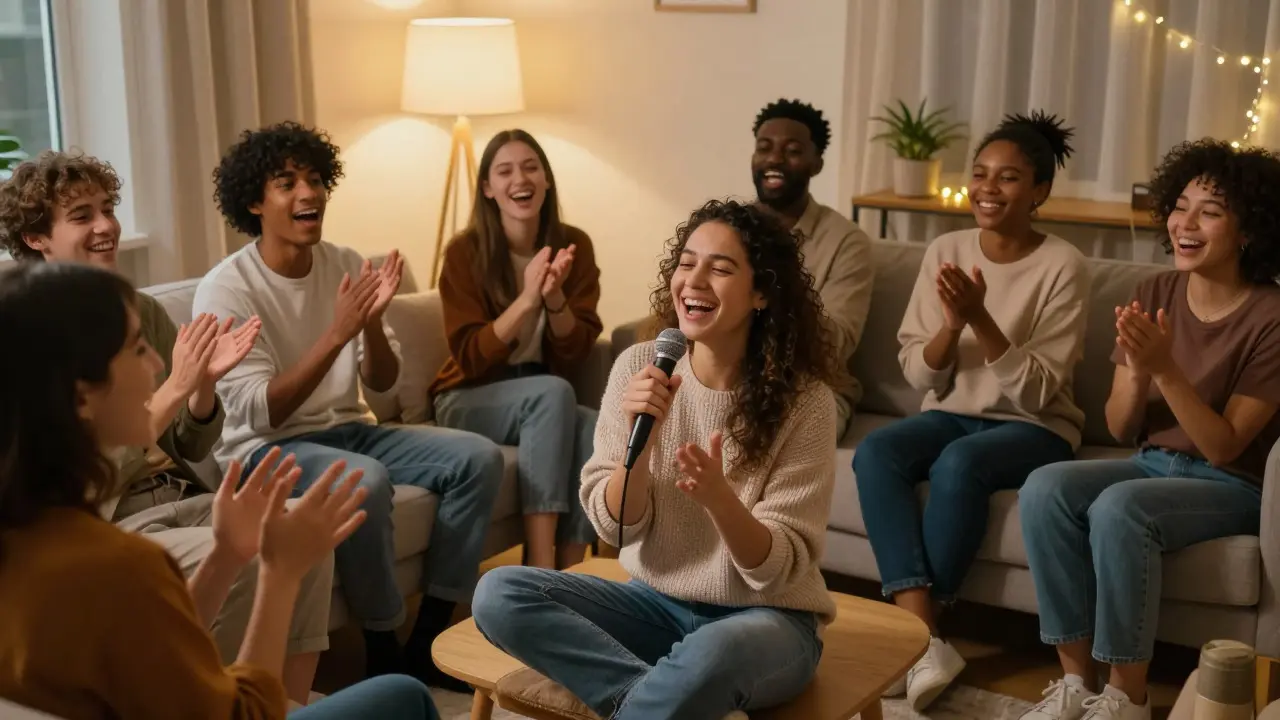
How do you know if the method is working? Don’t wait for a standing ovation. Look for micro-behaviors. Is the shy participant smiling? Are they leaning in when others sing? Did they hum along to the chorus? These are signs that the barrier has lowered. Over time, these micro-interactions build confidence. The next session, they might join a duet. The session after that, they might take a solo verse. The progression is gradual, but it is real.
This approach benefits the entire community, not just the introverts. When the atmosphere is relaxed, even the extroverted singers tend to perform with more joy and less ego. The energy shifts from competitive to collaborative. Everyone leaves feeling connected, rather than drained by the pressure to perform.
| Strategy Element | Traditional Approach | Alli Starr’s Method |
|---|---|---|
| Primary Focus | Individual Performance | Collective Experience |
| Risk Level | High (Spotlight) | Low (Shared Responsibility) |
| Goal Setting | Talent Showcase | Fun & Connection |
| Host Role | Director / Judge | Facilitator / Partner |
| Outcome for Shy Users | Avoidance / Anxiety | Gradual Participation |
Frequently Asked Questions
Does this method only work for professional singers?
No, it works best for beginners and casual singers. Professional singers often have different motivations, such as showcasing technical skill. The psychological safety framework is specifically designed to reduce the fear of judgment that hinders non-professionals.
What if someone refuses to participate at all?
Respect their boundary. Forcing participation creates resentment. Allow them to be an active listener. Often, seeing others enjoy the process without pressure will draw them in naturally over time. The goal is invitation, not coercion.
How long does it take to see results?
It varies by individual, but many shy participants begin joining in on choruses within two to three sessions. Full solo participation may take longer, but the initial shift in comfort level is usually noticeable immediately.
Can this be applied outside of karaoke bars?
Yes. The principles of psychological safety and shared responsibility apply to team building, classroom activities, and even family gatherings. Any situation where people are asked to perform or speak in front of others can benefit from lowering the stakes.
What type of music is best for shy singers?
Songs with simple, repetitive structures and well-known lyrics are ideal. Avoid operatic pieces or complex jazz standards. Pop, folk, and classic rock hits are generally the safest choices because they require less technical precision and offer more lyrical familiarity.