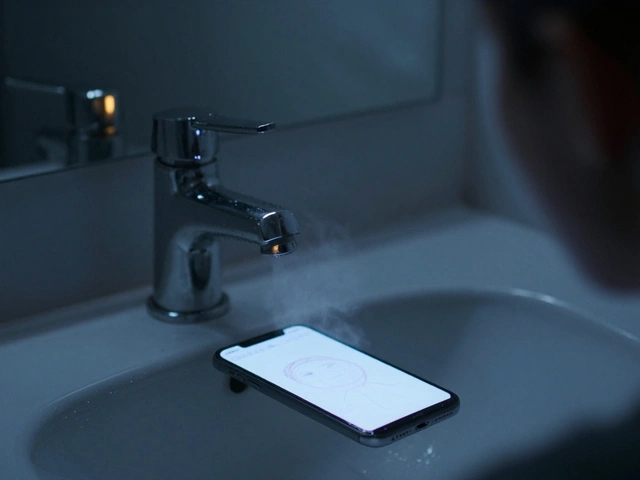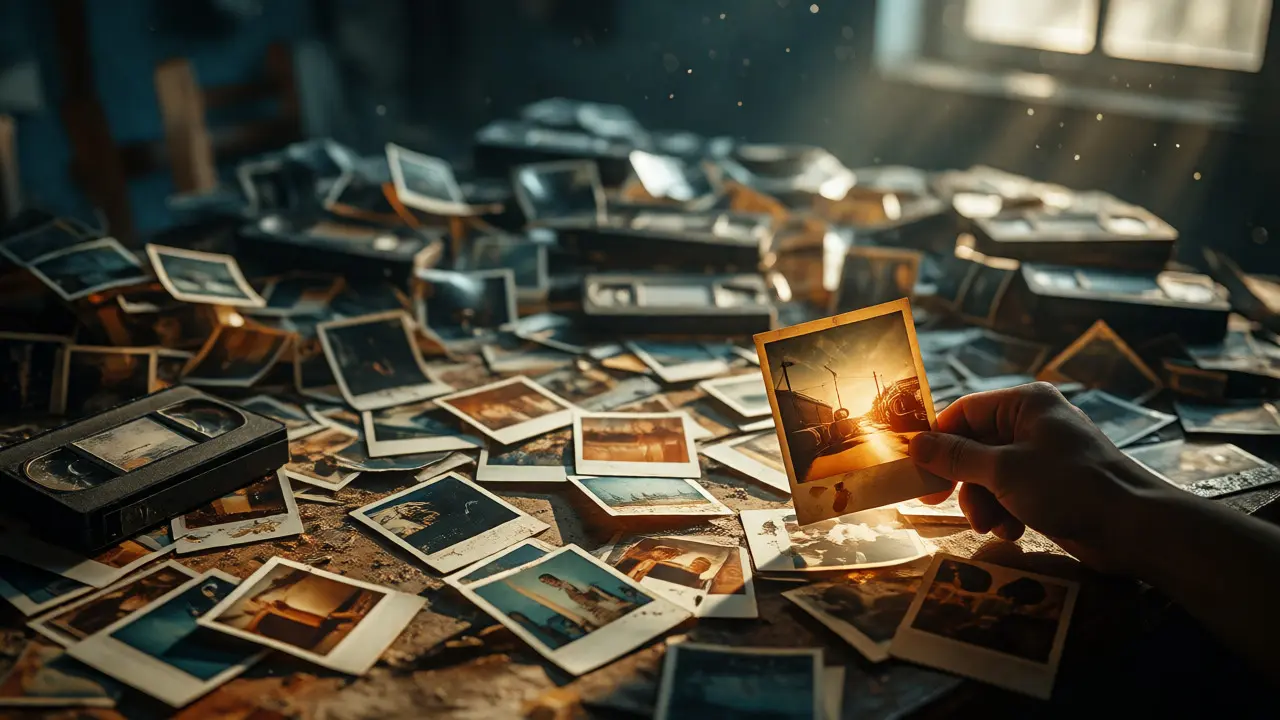
You know that feeling when you try to explain a core memory to someone, and the words just fall flat? You say, "It was funny," but they don't get the specific shade of awkwardness or the way the light hit the room. This is the gap between experiencing life and recording it. Most people leave their stories in journals or old photo albums that gather dust. But what if you could translate those static moments into something that breathes, moves, and feels real again?
That is exactly what Alli Starr does. She isn't just editing home videos; she is performing a kind of alchemy called life-to-video translation. It’s a process where raw, chaotic human experience gets distilled into coherent, moving narratives. Think of her as a translator who speaks fluent "Memory" and writes in perfect "Motion." If you’ve ever looked at your phone’s camera roll with a mix of nostalgia and overwhelm, this approach might change how you view your own history.
The Problem With Static Archives
We live in an era of infinite storage but finite attention. The average smartphone user takes thousands of photos a year, yet we rarely revisit them. Why? Because a JPEG doesn’t have context. A video clip without an edit lacks rhythm. When you hand someone a stack of unedited clips, you’re handing them homework. They have to piece together the story themselves, and most people won’t do that work for strangers-or even for distant relatives.
Alli Starr identifies this friction point clearly. Her method addresses the cognitive load of memory recall. Instead of forcing viewers to interpret fragmented data, she provides a curated emotional pathway. This isn't about adding flashy transitions or loud music for the sake of it. It’s about pacing. It’s about knowing when to let a silence breathe and when to cut away before the emotion becomes cloying. It turns a collection of files into a cohesive piece of art.
What Is Life-to-Video Translation?
To understand why this matters, you have to define the term itself. Life-to-video translation is distinct from standard videography or documentary filmmaking. Documentary filmmakers often impose a thesis on the subject. Standard videographers capture events as they happen, hoping the footage speaks for itself. Neither fully captures the internal texture of a lived experience.
| Approach | Primary Focus | Viewer Effort | Emotional Impact |
|---|---|---|---|
| Raw Footage | Documentation | High (interpretation required) | Low (context missing) |
| Documentary | Factual Accuracy | Medium (linear structure) | Moderate (intellectual engagement) |
| Life-to-Video Translation | Emotional Resonance | Low (guided experience) | High (visceral connection) |
In Starr’s framework, the editor acts as an empathic filter. The goal isn't just to show what happened, but to make the viewer feel what it was like to be there. This requires a deep dive into the subject's psyche, not just their timeline. It involves asking questions like, "Which moment felt the longest?" rather than "When did this take place?" Time, in these translations, is elastic. A five-second glance can stretch into ten seconds of screen time if that’s how long it felt in the heart.
The Anatomy of a Starr Translation
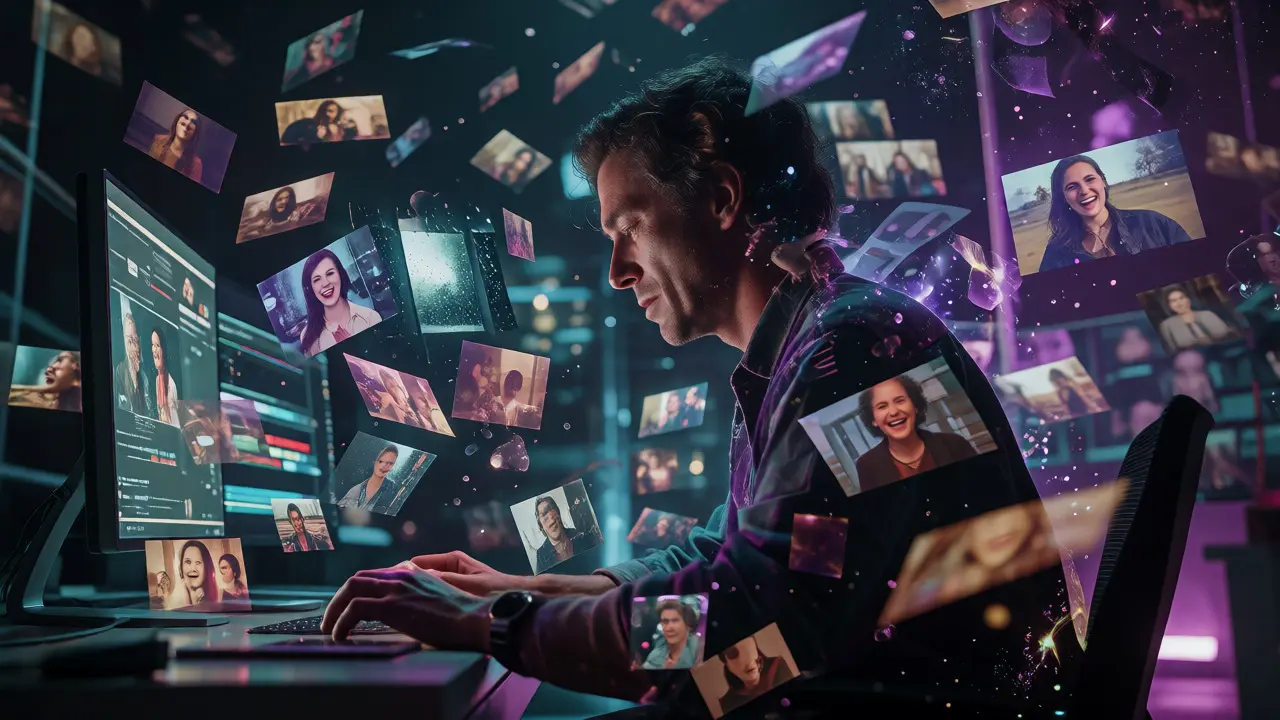
How does one actually execute this? It starts with deconstruction. Before a single frame is cut, the source material-whether it’s old VHS tapes, digital voice memos, or recent smartphone clips-is analyzed for emotional peaks. Starr looks for micro-expressions, tonal shifts in voice, and environmental sounds that anchor a memory. These are the raw ingredients.
- Sensory Anchors: Identifying sounds or visuals that trigger immediate recognition, like the hum of a specific refrigerator or the pattern of rain on a window.
- Narrative Arcs: Structuring the video not chronologically, but emotionally. Sometimes the ending comes first to set the tone.
- Rhythmic Editing: Matching cuts to the natural cadence of speech or heartbeat, creating a subconscious sync with the viewer.
This process transforms disjointed assets into a seamless flow. For example, a transition might not use a fade-out. Instead, it might match the motion of a turning page in a book to the opening of a door, linking two disparate memories through movement. This technique relies on the brain’s tendency to seek patterns. By providing those patterns, the editor reduces the mental effort required to follow the story, allowing the audience to sink deeper into the feeling.
Why Personal Narratives Need Professional Eyes
You might ask, "Can't I just use an app to auto-edit my clips?" Sure, apps can arrange photos by date and add a generic soundtrack. But they lack nuance. An algorithm doesn't know that the blurry photo of your dog is more important than the sharp landscape shot because it represents a day of profound grief or joy. It doesn't understand irony, subtext, or the weight of an unsaid word.
Human translators like Alli Starr bring contextual intelligence to the table. They interview the subject, digging for the stories behind the files. Often, the most powerful footage isn't the event itself, but the reaction to it. A parent watching their child take a first step is often more compelling than the step itself. Capturing that secondary layer-the observer's perspective-is key to high-impact storytelling. It shifts the focus from "what happened" to "how it mattered."
Practical Steps for Your Own Archive
If you’re inspired to start translating your own memories, you don't need expensive gear. You need intention. Here is a simple checklist to begin shifting from hoarding files to crafting stories.
- Audit Your Assets: Go through your cloud storage. Delete duplicates and low-quality shots ruthlessly. Keep only what sparks a genuine emotional response.
- Identify Core Themes: Group remaining clips by feeling, not just date. Create folders labeled "Joy," "Struggle," "Connection," or "Change." This helps you see patterns in your life.
- Record Audio Context: Sit down and record yourself talking about the clips. Don't worry about polish. Capture the hesitation, the laughter, the sighs. This audio will become the spine of your video.
- Edit for Rhythm: Lay your audio over the best clips. Cut the video to match the pauses in your speech. Let the silence do the heavy lifting.
This DIY approach mimics the principles of professional translation. It forces you to engage with your past actively rather than passively scrolling through it. You become the author of your own history, deciding which chapters deserve to be read aloud.
The Future of Digital Legacy
As we move further into a digital-first existence, the risk of losing our personal histories grows. Hard drives fail. Formats become obsolete. But emotional resonance remains constant. Projects like those pioneered by Alli Starr suggest a future where legacy isn't defined by volume, but by depth. We are moving away from the idea that more data equals better memory.
Instead, we are embracing curation. The next generation of archivists won't just save files; they will craft experiences. Imagine sending your grandchild a three-minute video that perfectly encapsulates who you were, rather than a terabyte of unsorted data. That is the promise of life-to-video translation. It ensures that when your story is told, it’s heard, felt, and remembered-not just stored.
What is the main difference between video editing and life-to-video translation?
Standard video editing focuses on technical correctness, continuity, and aesthetic polish. Life-to-video translation, as practiced by experts like Alli Starr, prioritizes emotional truth and psychological pacing. It uses editing techniques specifically to evoke feelings associated with the original memory, often altering chronological order to serve the emotional arc rather than factual sequence.
Do I need professional equipment to create a translated memory video?
No, you do not. The core of life-to-video translation is the selection and arrangement of existing assets. Whether the source material was shot on an iPhone, a DSLR, or an old camcorder matters less than the narrative structure applied to it. High-quality audio recording of personal reflections is often more valuable than upgrading your camera lens.
How long does it take to translate a significant portion of life memories into video?
The timeline varies based on the volume of source material and the depth of the interviews required. A focused project covering a specific era (e.g., childhood summers) might take two to four weeks. A comprehensive life overview can take several months. The process is iterative, involving multiple rounds of feedback to ensure the emotional tone matches the subject's intent.
Can life-to-video translation help with dementia care or elderly family members?
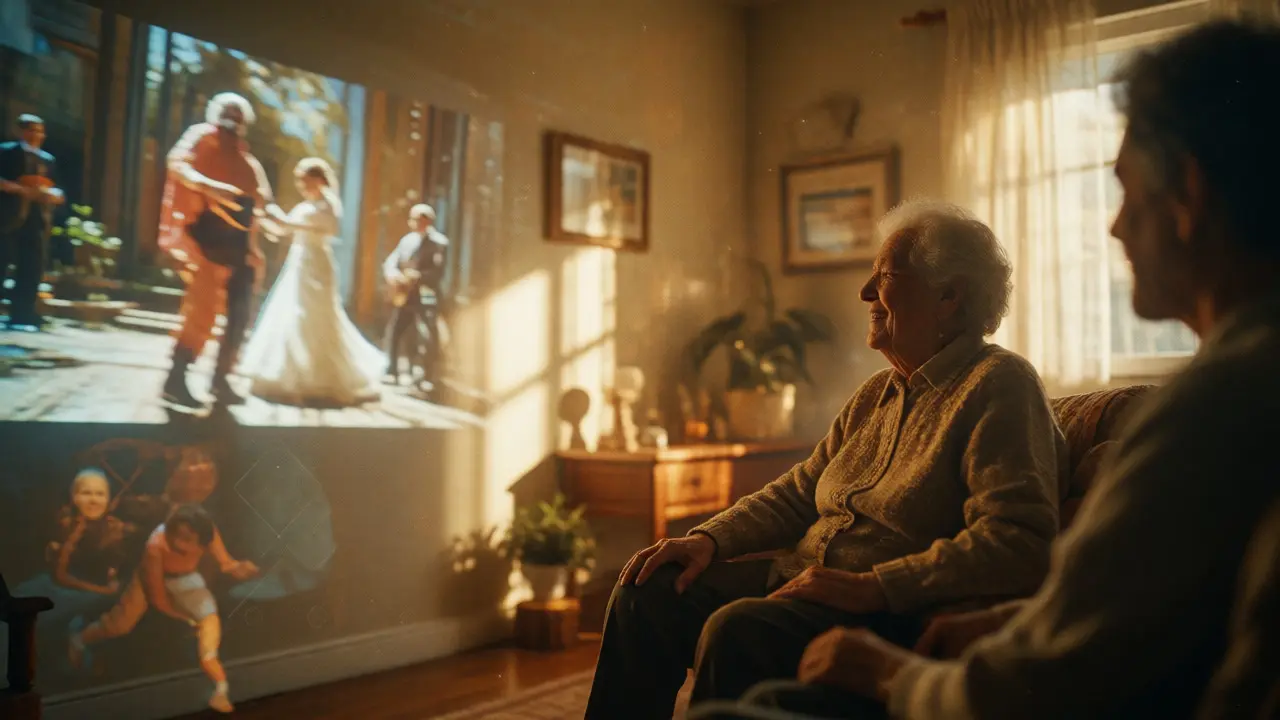
Yes, significantly. Visual and auditory cues are powerful triggers for memory recall. Professionally edited memory videos can stimulate conversation and emotional connection in individuals experiencing cognitive decline. The familiar faces, voices, and settings provide grounding anchors that static photos often fail to deliver.
Is this service only for families, or can businesses use it too?
While primarily aimed at personal legacy, the principles apply to brands. Companies can use life-to-video translation techniques to tell authentic founder stories or customer testimonials. The key is moving beyond corporate polish to capture genuine human moments, creating a stronger emotional bond with the audience.