You walk into a venue in Las Vegas expecting magic. Maybe you saw a clip on TikTok that stopped your scroll. You paid good money for tickets because you wanted to see Alli Starr deliver the high-energy, polished pop performance promised in her digital footprint. But what happens when the live show doesn't match the viral video? In the modern entertainment economy, that gap isn't just a disappointment; it's a brand crisis.
For artists like Alli Starr, who have built massive followings through short-form content and curated aesthetics, the transition to a physical stage is where reputations are made or broken. This isn't just about singing well. It's about maintaining a coherent identity across every touchpoint. When you step off the plane in Vegas, you're not just buying a concert ticket. You're buying an extension of the lifestyle you consumed online. If the reality feels disjointed from the dream, the trust evaporates fast.
The Digital Promise vs. The Physical Reality
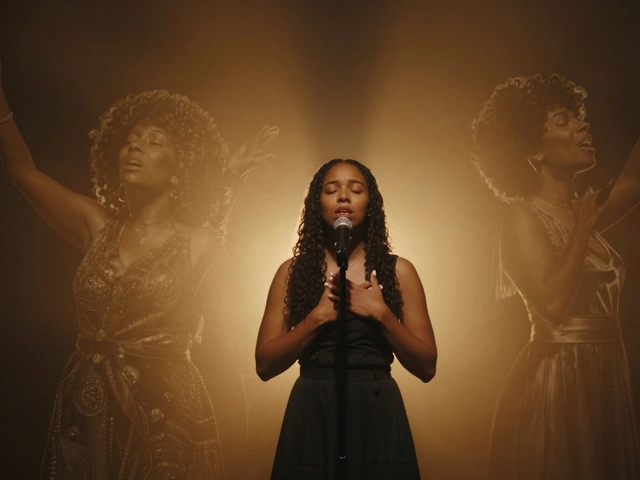
Think about how you discovered most of your favorite new artists. Chances are, it wasn't through radio. It was through a fifteen-second clip on Instagram Reels or TikTok. These platforms reward perfection-or at least, highly edited versions of reality. Lighting is perfect. Angles are flattering. Audio is often lip-synced or heavily processed. For an artist like Alli Starr, this creates a specific expectation: flawless execution, visual precision, and a distinct vibe.
When that artist announces a Las Vegas residency, fans carry those digital expectations into the physical space. They expect the same level of polish. They expect the choreography to be sharp. They expect the vocals to hold up without auto-tune hiding behind a mix. If the live performance feels casual or unprepared, it clashes with the carefully constructed image. This disconnect is why consistency matters so much. It’s not about being robotic; it’s about honoring the contract you signed with your audience through your social media presence.
Building Trust Through Repetition
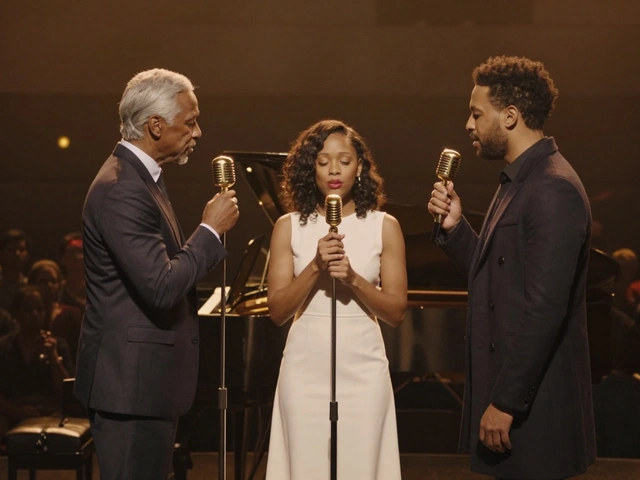
Vegas residencies are different from touring. On tour, you might see an artist once, maybe twice. A bad night can be written off as "off days." But in a residency, you’re seeing the same person, potentially multiple times, or hearing about their nightly performance from dozens of people simultaneously. Social media amplifies this feedback loop instantly. One shaky vocal run on Tuesday becomes a meme by Wednesday morning.
Consistency builds trust. When an artist delivers the same high standard night after night, they prove that their talent isn't a fluke of editing software. It’s real skill backed by rigorous preparation. For Alli Starr, this means rehearsing until the muscle memory takes over. It means ensuring that whether she’s performing on opening night or closing week, the energy remains infectious. Fans need to know that if they buy a ticket for next month, they’ll get the same electric experience they read about in reviews today. That reliability turns casual viewers into loyal patrons.
The Economics of Reliability
Let’s talk numbers for a second. Las Vegas venues don’t book acts based on potential alone. They book based on proven draw and low risk. Promoters want to know that if they sell out the House of Blues or The Joint, the artist will deliver a product that keeps people talking positively. Inconsistency scares promoters away. If an artist is known for having hit-or-miss performances, venues hesitate to offer lucrative long-term contracts.
| Metric | High Consistency Impact | Low Consistency Impact |
|---|---|---|
| Ticket Sales Velocity | Steady growth; word-of-mouth drives secondary sales | Erratic; drops sharply after negative reviews |
| Venue Booking Terms | Favorable; longer residencies, better revenue splits | Risky; shorter terms, higher upfront guarantees required |
| Social Sentiment | Positive; user-generated content highlights quality | Negative; memes focus on mistakes or lack of effort |
| Merchandise Conversion | High; fans feel connected to the authentic brand | Low; fans hesitate to support an unreliable act |
Look at the table above. The difference between consistent and inconsistent performers isn’t just artistic pride-it’s financial survival. Artists who maintain consistency secure better deals. They become safer bets for investors and partners. For someone building a brand like Alli Starr, whose appeal relies heavily on aesthetic cohesion, this economic stability allows for more creative freedom later on. You earn the right to experiment only after you’ve proven you can deliver the basics flawlessly.
Aesthetic Cohesion Across Platforms
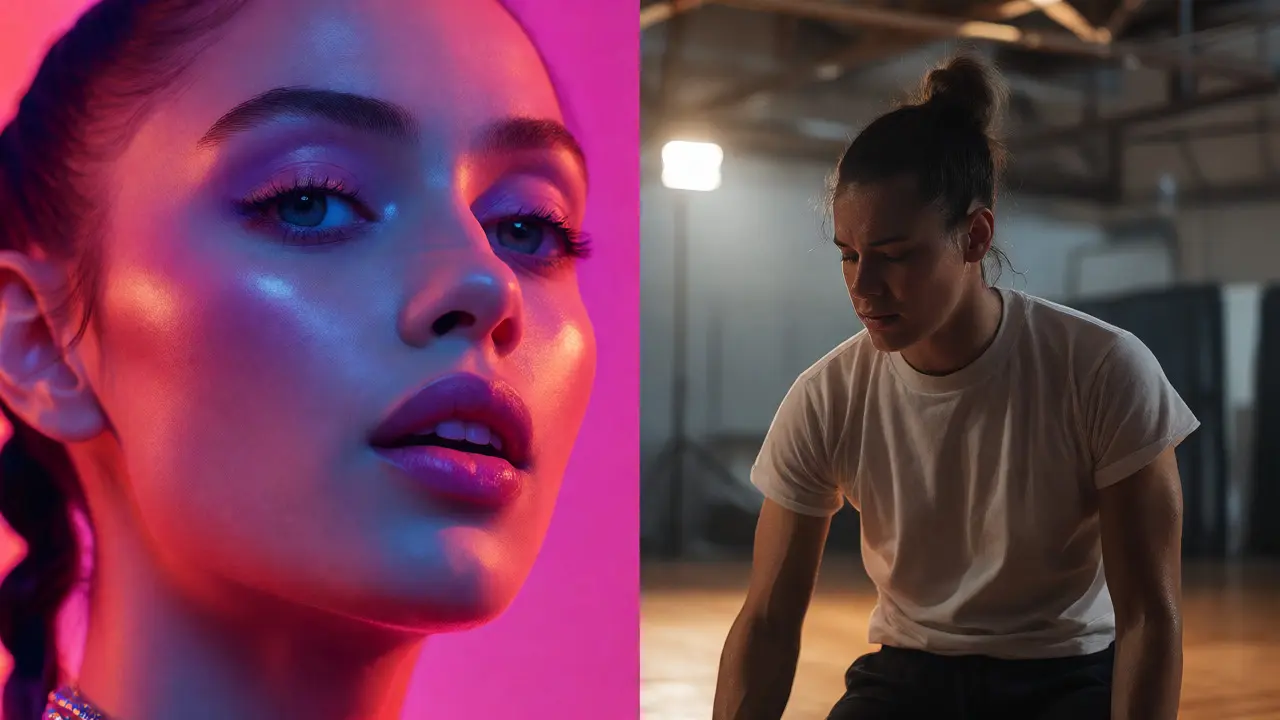
Your brand isn’t just your music. It’s your look, your mannerisms, your interaction with the crowd, and even the way you handle technical glitches. In the age of smartphones, every fan is a broadcaster. If Alli Starr wears a specific style of outfit in her videos but shows up to the stage in something completely unrelated, it breaks immersion. Fans subscribe to a persona. They want to see that persona come to life.
This extends to behavior. Are you engaging with the front row? Are you staying in character during transitions? Or are you checking your phone between songs? Small details add up. Consistency in these micro-interactions reinforces the larger narrative. It tells the audience, "I am exactly who I say I am." This authenticity is rare and valuable. It transforms a passive listener into an active community member who feels part of the artist’s journey.
Managing Audience Expectations
So, how do you fix inconsistency if it’s already a problem? Communication plays a huge role. Sometimes, an artist’s brand is intentionally edgy or unpredictable. If that’s the case, lean into it. Make the unpredictability part of the charm. But if the goal is polished pop perfection, then set clear expectations. Use pre-show content to tease the level of production value. Show behind-the-scenes rehearsals. Let fans see the work going into the show.
This transparency helps manage expectations. If fans see the effort, they appreciate the result more. It also humanizes the artist. Perfection is boring if it seems effortless. Showing the grind makes the final product feel earned. For Alli Starr, sharing clips of intense dance practice or vocal warm-ups bridges the gap between the glossy feed and the sweaty stage. It says, "This looks easy because I worked hard," which strengthens the brand’s integrity.
Long-Term Brand Equity
Las Vegas is a graveyard for one-hit wonders. Many artists flash brightly and fade away. Those who stick around understand that longevity requires consistency. It’s not enough to have one great song. You need a reliable delivery mechanism for your art. Over time, this reliability compounds. It builds brand equity-the value derived from consumer perception rather than tangible assets.
When people think of Alli Starr, they shouldn’t wonder, "Will tonight be good?" They should think, "Tonight will be amazing." That certainty is powerful. It allows for diversification. Once the core brand is solid, you can expand into fashion lines, collaborations, or different musical genres without losing your base. Your audience trusts you to lead them somewhere new because they know you won’t drop them halfway there.
Actionable Steps for Artists
If you’re an artist eyeing a Vegas spot, here’s how to start building that consistency now:
- Audit your digital footprint: Does your live footage match your studio recordings? If not, adjust either the recording process or the live arrangement to close the gap.
- Standardize your setlist flow: Keep the structure predictable while allowing room for improvisation. Fans love knowing when the big hits are coming.
- Engage consistently online: Post regular updates that reflect the same tone as your stage presence. If you’re funny on stage, be funny online. If you’re mysterious, keep the mystique.
- Gather feedback aggressively: After every small gig, ask fans what felt authentic and what felt forced. Use this data to refine your live persona before scaling up.
Does consistency mean every show must be identical?
No, it doesn't mean identical. It means meeting the expected standard of quality and adhering to the established brand identity. Variations in setlists or interactions are fine, as long as the overall experience feels cohesive and reliable.
How does social media affect performance pressure in Vegas?
Social media creates immediate feedback loops. Mistakes are shared instantly, and successes are amplified. This raises the stakes for consistency because a single bad night can go viral, impacting future bookings and public perception rapidly.
Can an artist recover from a reputation for inconsistency?
Yes, but it requires sustained effort. By delivering several consecutive high-quality performances and communicating openly with fans, an artist can rebuild trust. Transparency about improvements and behind-the-scenes efforts helps accelerate this recovery.
Is consistency more important than novelty in residencies?
For repeat visitors and word-of-mouth marketing, consistency is often more critical. While novelty attracts initial attention, consistency ensures satisfaction and retention. A balance is ideal, but never sacrifice reliability for shock value.
How do venues evaluate consistency?
Venues look at ticket sales trends, customer reviews, and incident reports. They also monitor social media sentiment during the residency period. Consistent positive metrics lead to better renewal offers and prime time slots.