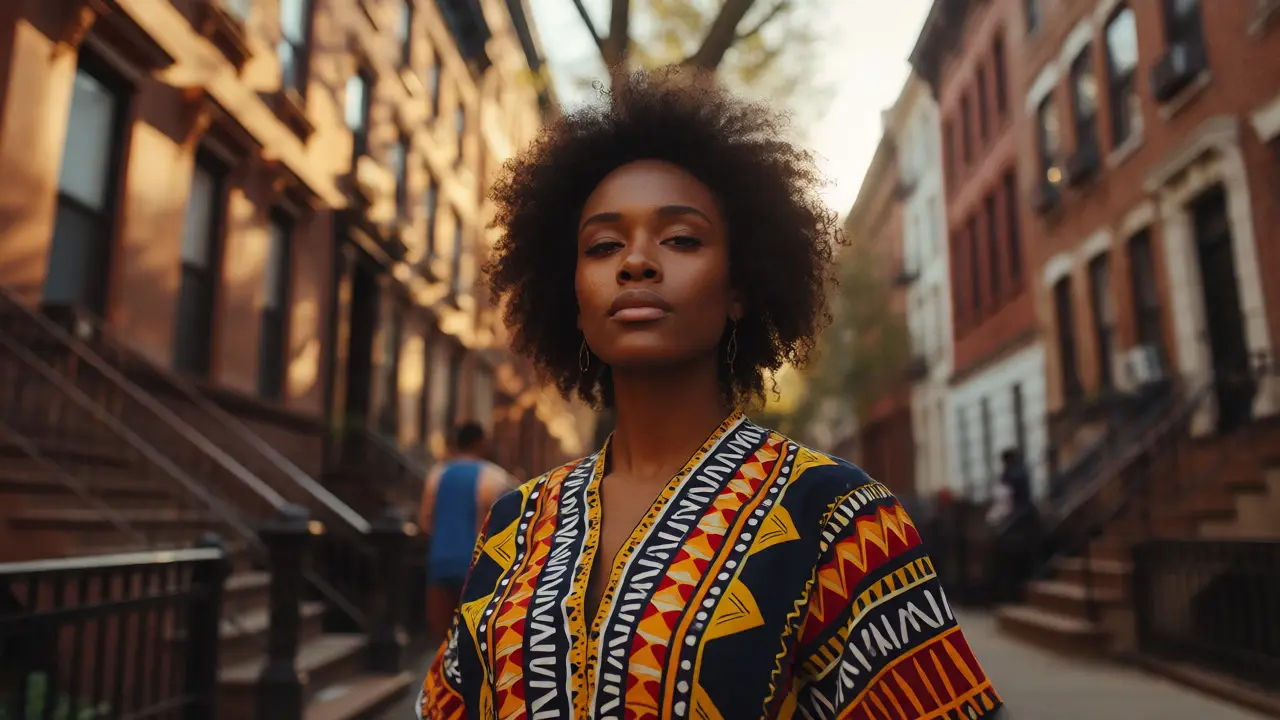
You scroll through your feed. Another R&B playlist drops. You click play. But something feels off. The voices sound familiar, yet the stories feel recycled. Where is the raw, unfiltered truth? Where is the woman who looks like you, sings like her life depends on it, and refuses to shrink herself for a radio edit? That gap in the market is exactly where Alli Starr stepped in.
This isn't just about one singer finding her groove. It's about what happens when a Black woman decides that cultural pride isn't a marketing angle-it's the foundation of her art. For years, R&B has struggled with a specific type of erasure. Artists are often pressured to soften their edges, lighten their imagery, or dilute their vernacular to appeal to a broader, often whiter, demographic. Alli Starr rejected that script. Her impact goes beyond chart numbers; it reshapes how we define authenticity in modern soul music.
Defining Authenticity in Modern R&B
Let's be real for a second. "Authenticity" is a buzzword that gets thrown around so much it loses meaning. But for Alli Starr, it’s a survival mechanism. In an industry that historically tokenizes Black women while simultaneously demanding they conform to Eurocentric beauty standards, being unapologetically yourself is a radical act.
Starr’s approach to R&B blends traditional soul structures with contemporary trap influences, but the core remains deeply rooted in personal narrative. She doesn't sing about abstract love. She sings about the messy, complicated reality of relationships from a Black female perspective. This specificity resonates because it mirrors the lived experiences of millions who felt invisible in mainstream pop-R&B hybrids.
Consider the lyrical content. Instead of vague metaphors, Starr uses direct language. She references specific cultural touchstones-hair care routines, family dynamics, financial stress-that aren't just "flavor text." They are central to the emotional arc of the song. This shifts the power dynamic. The listener isn't observing a character; they're recognizing themselves.
The Visual Language of Cultural Pride
Music is heard, but culture is seen. If you’ve watched Alli Starr’s music videos, you’ve noticed the deliberate choice in styling. There is no attempt to pass as anything other than who she is. Natural hair textures aren't straightened for camera lighting. Skin tones aren't washed out by over-editing. The settings often reflect real neighborhoods, not sterile studio backdrops.
This visual consistency matters more than you might think. When a Black woman sees herself represented without apology in high-production visuals, it validates her existence in spaces where she’s traditionally been excluded. It tells young girls that their natural state is enough. It tells older women that their history is worthy of celebration.
| Strategy | Traditional Industry Norm | Alli Starr’s Approach | Impact on Audience |
|---|---|---|---|
| Hair Styling | Straightened or heavily styled wigs | Natural textures, braids, locs | Normalizes natural beauty standards |
| Fashion Choices | Trend-chasing, often neutral palettes | Bold colors, culturally significant patterns | Celebrates African diaspora aesthetics |
| Setting & Lighting | High-key, universal studio look | Warm tones, authentic urban environments | Creates sense of place and community |
| Body Image | Often curated for thinness or specific curves | Unretouched, diverse body types | Promotes body positivity and realism |
This table isn't just academic. It highlights a tangible shift in production values. Studios used to spend thousands on color grading to make skin tones look "marketable." Now, directors work with lighting technicians to ensure melanin-rich skin glows naturally. It’s a technical change driven by a cultural mandate.
Breaking the Tokenism Cycle
Tokenism is sneaky. It looks like inclusion but feels like isolation. You get one Black woman on the billboard, but she’s surrounded by artists who don’t share her background, forcing her to represent an entire race. Alli Starr avoids this by building a community rather than standing alone.
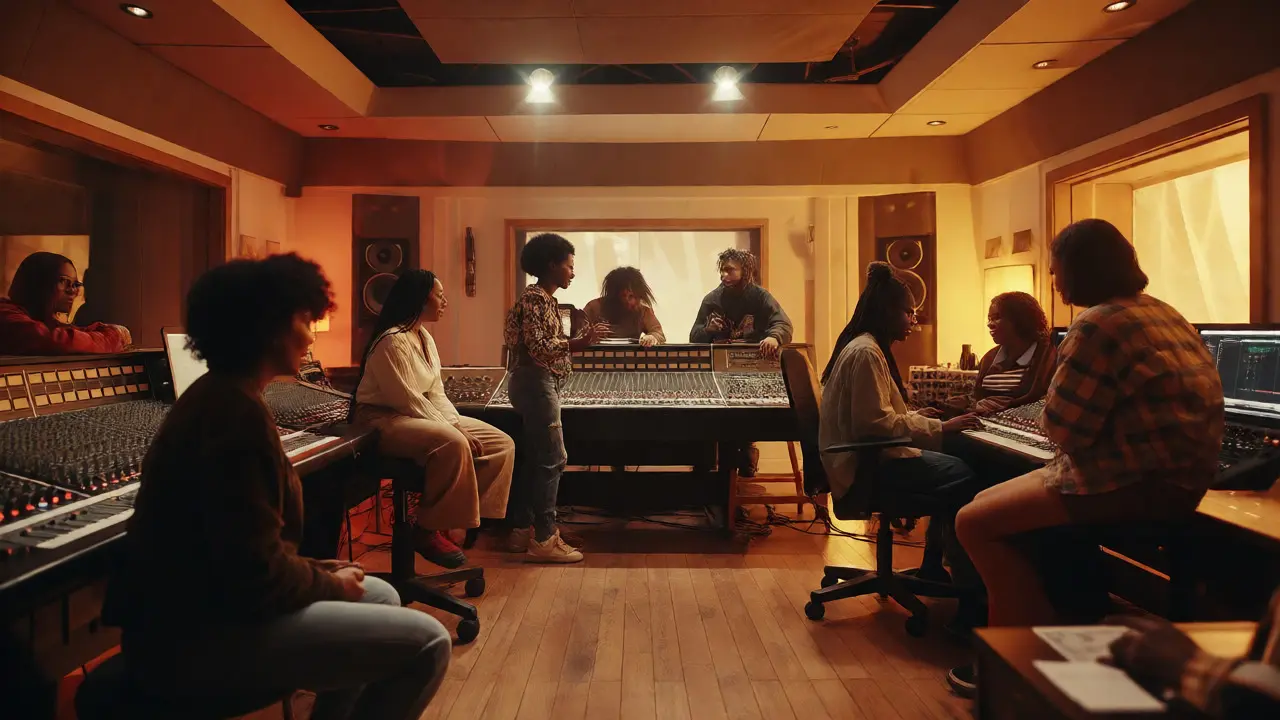
She collaborates frequently with other Black women producers, engineers, and video directors. This isn't just networking; it's infrastructure building. By hiring within her community, she ensures that the creative vision remains intact. A producer who shares your cultural context understands why a certain bassline hits differently. A director who grew up in the same neighborhood knows which angles capture the vibe authentically.
This collaborative model challenges the "lone genius" myth prevalent in music journalism. Success isn't just individual talent; it's collective support. When Starr lifts others, she expands the space available for all Black women in the genre. It creates a ripple effect. Other labels notice the commercial viability of this approach and begin to replicate it, albeit imperfectly.
Economic Empowerment Through Ownership
Cultural pride means little if you don't own the profits. Historically, Black artists have signed away rights to masters and publishing deals that left them broke despite massive hits. Alli Starr has been vocal about the importance of independent distribution and retaining ownership.
Why does this matter for representation? Because economic power translates to creative control. If you own your master recordings, you decide how your image is used in commercials. You decide if your song plays in a beer ad or a documentary about civil rights. This autonomy allows artists to align their brand with their values, rather than letting corporate sponsors dictate their message.
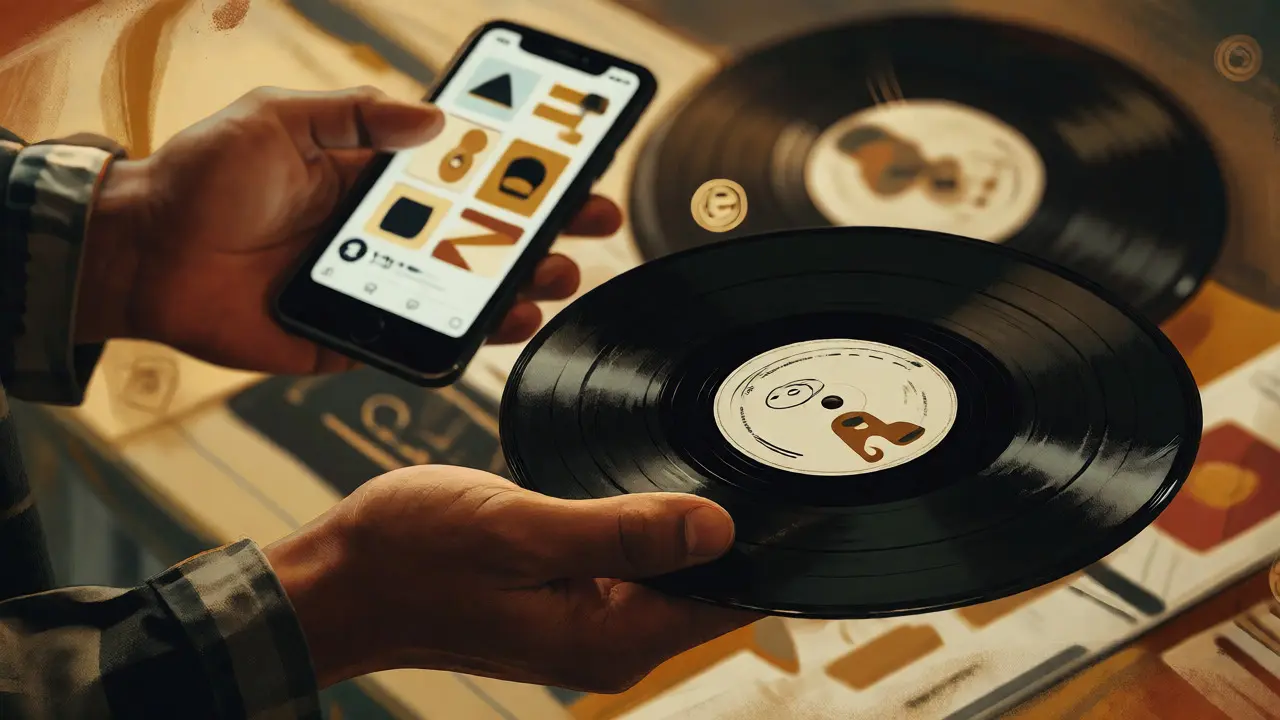
For fans, supporting artists who retain ownership sends a clear signal. Every stream, every vinyl purchase, becomes a vote for a sustainable model. It proves that Black women can build wealth and legacy simultaneously, challenging stereotypes about financial instability in the entertainment industry.
The Role of Social Media in Direct Connection
Gone are the days when record labels acted as gatekeepers between artist and fan. Today, social media platforms allow direct dialogue. Alli Starr leverages this to bypass traditional PR filters. She shares behind-the-scenes clips that show the grind, not just the glamour. She engages with comments, correcting misconceptions and amplifying fan stories.
This direct line fosters a parasocial relationship that feels reciprocal. Fans don't just consume content; they participate in the journey. When Starr posts a snippet of a new demo, fans offer feedback. When she faces backlash, her community defends her organically. This digital village square strengthens the bond between artist and audience, making the cultural representation feel personal and immediate.
Challenges Still Remain
Let's not paint a utopian picture. Progress is slow. While Alli Starr has carved out space, the industry still struggles with equitable pay, equal touring slots, and consistent radio rotation for Black women. The pressure to cross over into pop often comes with conditions that strip away cultural specificity.
Moreover, there's the burden of representation. When one artist succeeds, the expectation falls on her to speak for everyone. Starr handles this with grace, but it’s an exhausting weight. The goal isn't just one star shining bright; it's a constellation. We need more Alli Starrs, not fewer.
What This Means for the Future of R&B
The trajectory is promising. Younger artists see Alli Starr’s career path and realize they don't have to compromise their identity to succeed. Music schools are beginning to include discussions on cultural competency in business courses. Streaming algorithms are slowly learning to categorize "Soul" and "R&B" with more nuance, respecting subgenres rooted in specific communities.
Ultimately, Alli Starr’s impact is measured in confidence. Confidence in young Black women who now see themselves as protagonists in their own stories. Confidence in listeners who demand better representation. And confidence in the industry that finally realizes diversity isn't a quota-it's a competitive advantage.
Frequently Asked Questions
Why is cultural representation important in R&B specifically?
R&B originated from Black American musical traditions, including gospel, jazz, and blues. When artists dilute these roots to appeal to wider audiences, they risk erasing the genre's historical significance. Authentic representation preserves the cultural lineage and ensures that the stories of Black women remain central to the genre's evolution.
How does owning master recordings benefit artists like Alli Starr?
Owning master recordings gives artists long-term financial stability and creative control. They can license their music for films, ads, or samples without needing label approval, ensuring the usage aligns with their personal and cultural values. This independence prevents exploitation and builds generational wealth.
Does focusing on cultural pride limit an artist's mainstream appeal?
Not necessarily. In fact, specificity often leads to universality. Listeners connect with genuine emotions and detailed narratives. By staying true to her cultural context, Alli Starr attracts a loyal global fanbase that appreciates authenticity over generic pop formulas. Mainstream success doesn't require assimilation; it requires resonance.
How do collaborations help combat tokenism in the music industry?
Collaborating with other Black women creators builds a supportive ecosystem. It distributes opportunities and reduces the pressure on any single artist to represent an entire demographic. These partnerships also ensure that technical roles (production, engineering) are filled by people who understand the cultural nuances, leading to more accurate artistic outputs.
What role does social media play in maintaining cultural authenticity?
Social media allows artists to bypass traditional media filters that often distort or stereotype Black women. Direct engagement lets artists control their narrative, share unedited moments, and interact with fans in real-time. This transparency builds trust and reinforces the authenticity that defines their brand.