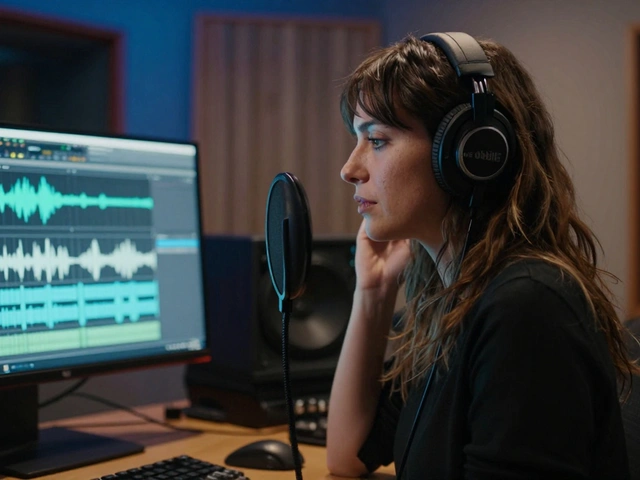
You’ve heard the original. You know the melody. So why does a cover sometimes hit harder than the source material? It’s not just about hitting the right notes; it’s about rewriting the emotional DNA of the track. If you’re an artist trying to make someone else’s song your own, you don’t need a new microphone-you need a new perspective.
Enter Alli Starr. This Portland-based singer-songwriter has carved out a niche by taking familiar tracks and stripping them down to their rhythmic bones before rebuilding them with a distinct, airy R&B aesthetic. Her approach isn’t about imitation; it’s about translation. She translates the intent of the original into her own sonic language. If you want to understand how to interpret covers with genuine originality, looking at her technique offers a masterclass in modern vocal arrangement.
The Myth of the "Better" Cover
Let’s clear up a common misconception first. A cover doesn’t have to be "better" than the original to work. In fact, trying to beat the original often leads to over-singing. We’ve all seen those viral videos where a singer belts out high notes until the song loses its groove. That’s performance, not interpretation.
Interpretation is about context. When Alli Starr covers a track, she changes the context. Maybe the original was a fast-paced pop anthem. She might slow it down, add a lo-fi hip-hop beat, and sing it with a breathy, intimate tone. Suddenly, a breakup song that felt angry feels resigned. That shift in emotion is the value you bring as a cover artist. You aren’t competing with the original; you’re offering an alternative reality for the listener.
Deconstructing Alli Starr’s Vocal Style
To replicate this level of artistry, you need to look under the hood of her vocal production. Starr’s style relies heavily on texture rather than power. She uses what producers call "airiness"-a technique where more breath is mixed with the voice signal. This creates a sense of proximity, making the listener feel like you’re singing directly into their ear.
Here are three specific elements that define her reimagining process:
- Rhythmic Displacement: Instead of singing exactly on the beat, she often lags slightly behind or pushes ahead. This creates a laid-back, conversational vibe that contrasts sharply with rigid pop productions.
- Harmonic Layering: Rather than using big choir stacks, she often layers subtle, close harmonies that mimic the feeling of a whisper. This adds depth without cluttering the mix.
- Tonal Warmth: She avoids sharp, piercing highs. Even when reaching for higher registers, she keeps the tone rounded and warm, which fits perfectly within the neo-soul and R&B genres.
These aren’t just stylistic choices; they are technical decisions that alter how the brain processes the melody. By softening the attack of the consonants and extending the vowels, she turns a percussive lyric into a melodic flow.

Step-by-Step: How to Reimagine Your Next Cover
If you’re sitting in your home studio wondering how to apply this, here is a practical workflow. Don’t start by singing. Start by listening.
- Analyze the Emotional Core: Ask yourself, "What is the actual story here?" If the original is upbeat but sad, strip away the tempo. Find the sadness. If it’s a ballad, can you make it danceable? Identify the one emotion you want to amplify.
- Change the Genre Container: Take the melody out of its native habitat. If it’s a rock song, try arranging it as a jazz standard or a trap ballad. The genre dictates the instrumentation, which in turn dictates your vocal delivery. You can’t sing a metal riff like a lullaby unless you change the backing track.
- Adjust the Melody, Not Just the Notes: You don’t need to rewrite the whole tune. Change the rhythm of the phrasing. Hold a note longer than the original did. Skip a note entirely. Add a run only if it serves the emotion, not just to show off range.
- Record Dry, Then Process: Record your vocals with minimal effects first. Focus on the performance dynamics. Once you have a clean take, experiment with effects like reverb, delay, or saturation to create the "space" around your voice. Alli Starr’s sound often benefits from a wetter, more atmospheric mix that places the voice inside a room rather than in front of it.
Why Production Choices Define Vocal Originality
Vocals do not exist in a vacuum. Your vocal style is defined by what happens around it. A powerful belt sounds different over a sparse piano than it does over a dense synth pad. When interpreting covers, your production choices are half the battle.
| Production Element | Original Pop Approach | Alli Starr / Alternative R&B Approach | Effect on Listener |
|---|---|---|---|
| Tempo | Fast, driving (120+ BPM) | Slowed, groovy (80-95 BPM) | Creates space for lyrical nuance |
| Instrumentation | Synth-heavy, polished | Organic textures, muted keys | Feels more intimate and raw |
| Vocal Mix | Front-and-center, dry | Blended, atmospheric reverb | Invites the listener closer |
| Dynamics | Consistent loudness | Whisper-to-mid-range focus | Builds tension through subtlety |
Notice the pattern? The alternative approach prioritizes intimacy over impact. For many modern listeners, especially those who consume music via headphones, intimacy wins. It feels personal. It feels like a secret being shared rather than a broadcast being received.
Avoiding Common Pitfalls in Cover Interpretations
Even with the best intentions, artists often stumble. Here are the traps to avoid.
The "Karaoke Trap": Singing along to the original instrumental track unchanged. Unless you have a radically different voice, this usually results in a lesser version of the original. Always rebuild the backing track or significantly alter the key and tempo.
Over-Processing: Trying to hide a lack of confidence with too much autotune or reverb. Listeners can hear authenticity. If your voice cracks slightly because you’re emotionally invested, keep it. Perfection often feels sterile. Imperfection feels human.
Ignoring the Lyrics: Changing the melody so much that the words become unintelligible. If the listener can’t follow the story, the connection breaks. Ensure your melodic variations support the natural cadence of the speech patterns in the lyrics.
Building Your Own Signature Sound
Alli Starr didn’t wake up one day with a unique sound. She developed it by consistently applying these principles across dozens of covers. She tested what worked, discarded what didn’t, and refined her palette. You can do the same.
Start small. Pick a song you love but hate the way it’s produced. Ask yourself: "How would I sing this if I were heartbroken?" Or, "How would I sing this if I were falling in love?" Record both versions. Listen back. Which one feels true to you? That’s your starting point.
Remember, originality isn’t about inventing something from nothing. It’s about combining existing elements in a way that hasn’t been heard before. Your voice, your taste, and your perspective are the filters through which every song passes. Trust that filter.
Do I need professional equipment to create a vocal reimagining?
No. While good gear helps, creativity matters more. Many successful covers are recorded on basic interfaces and processed with free plugins. Focus on the arrangement and vocal performance first. You can always upgrade your tech later, but you can’t buy artistic vision.
How do I choose which songs to cover?
Pick songs that resonate with you personally, not just popular hits. Also, consider songs where you can see a clear path to transformation. If you can’t imagine changing the genre or mood, skip it. Look for tracks with strong melodies but flexible arrangements.
Is it better to stay in the original key or change it?
Always prioritize your comfort zone. If the original key strains your voice, change it. However, sometimes shifting the key drastically changes the mood. A lower key can sound darker and more serious, while a higher key can sound brighter or more anxious. Experiment with both to see which supports your interpretation.
How important is copyright when releasing covers?
Very important. Most digital distributors handle mechanical licenses for you, but you must ensure you’re properly crediting the original writers. If you significantly alter the lyrics or melody, you may need a sync license or permission from the publisher. Always check the specific rules of your distribution platform.
Can I use AI tools to help with my vocal arrangements?
Yes, AI can help generate chord progressions or suggest harmonic layers, but use it as a tool, not a crutch. Let the AI propose ideas, then edit them to fit your human sensibility. Over-reliance on AI can strip the soul out of your performance, which is the opposite of what reimagining aims to achieve.