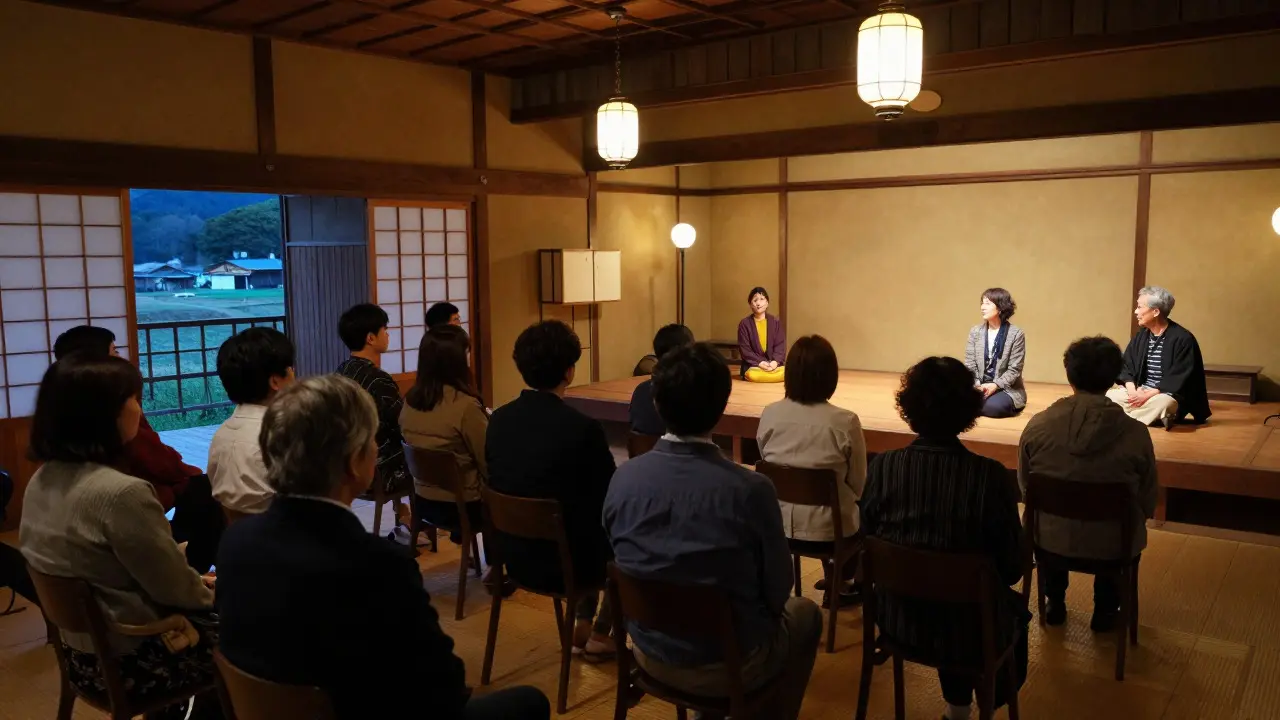
Imagine standing on a stage in Fukushima, a region synonymous with one of the world's most significant nuclear disasters. Now imagine the audience isn't there to mourn, but to dance, sing, and remember that life goes on. This is the reality faced by Alli Starr, a singer-songwriter known for her acoustic folk-pop style, who made a bold decision during her 2013-2014 residency in Japan. While many international artists canceled plans or avoided the prefecture due to lingering fears, Alli chose to stay. Her story isn't just about a concert; it’s a case study in how art can bridge cultural gaps and foster resilience in the face of catastrophe.
The Decision to Remain
When the Fukushima Daiichi Nuclear Power Plant disaster struck in March 2011, global media painted a picture of total abandonment. For foreign residents and tourists, the safest bet was often to leave. Yet, Alli Starr had already established roots in Japan. By 2013, she was deep into a project aimed at connecting with local communities through song. The question wasn't whether to go to Japan, but whether to go to Fukushima.
Her choice defied standard risk assessment logic. Instead of viewing the area as a danger zone, she viewed it as a place of profound human spirit. The "staying" aspect of her journey refers not just to physical presence, but to emotional commitment. She committed to performing in towns like Koriyama and Date, areas directly affected by evacuation orders. This move required navigating complex logistical hurdles, including restricted access zones and heightened public anxiety. It also meant working closely with local organizers who understood the subtle nuances of post-disaster social dynamics.
Music as a Bridge Across Language Barriers
You might wonder how a Western pop artist connects with a Japanese audience in a time of trauma. The answer lies in the universal language of melody and rhythm. Alli’s performances weren't just concerts; they were interactive sessions. She used simple, repetitive hooks that allowed audiences to participate without needing to understand English lyrics. This approach aligns with the concept of social cohesion through shared artistic experience, where music reduces social distance and builds trust.
In interviews, Alli has noted that silence is often heavier than sound in disaster-affected areas. By bringing noise-joyful, rhythmic noise-she disrupted the monotony of recovery work. The music served as a temporary escape from the relentless paperwork, cleanup efforts, and health monitoring that defined daily life for residents. It provided a space where people could be children again, if only for an hour. This tactic is rare in humanitarian aid, which often focuses solely on material support like food and shelter. Alli added an intangible but critical component: hope.
Navigating Cultural Nuances in Performance
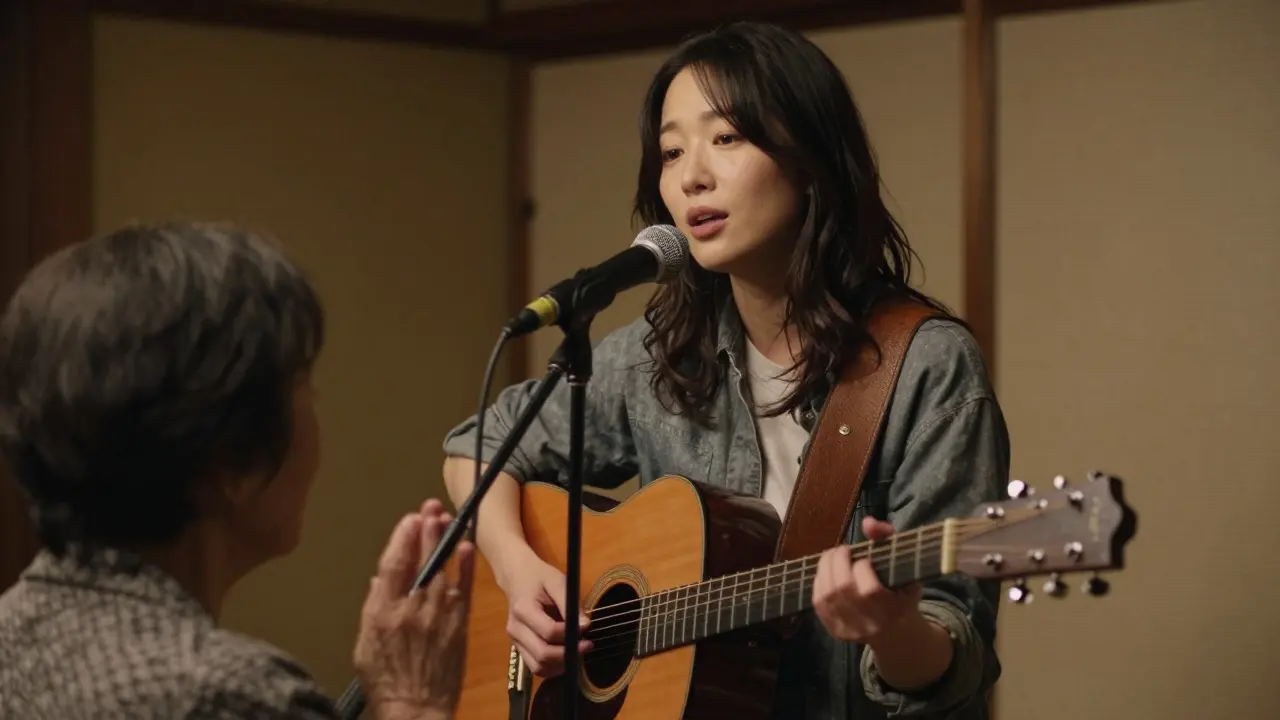
Performing in Japan requires more than just good vocals; it demands cultural intelligence. In many Japanese contexts, public displays of extreme emotion are reserved for private moments. Public spaces often value harmony and restraint. Alli adapted her stage presence to respect these norms while still delivering high-energy performances. She learned to read the room differently than she would in the United States. A quiet nod from an elder in the front row carried more weight than a shout from the back.
This adaptation extended to her setlist. She included songs that referenced themes of nature, renewal, and endurance, concepts deeply embedded in Japanese culture through poetry and seasonal awareness. By mirroring these themes, she created a shared semantic field between her art and the audience's lived experience. This isn't about pandering; it's about empathy expressed through creative choices. It shows that global touring isn't just about moving from city to city; it's about moving from culture to culture with humility and preparation.
The Ripple Effect on Local Communities
The impact of staying after Fukushima went beyond the nights of performance. Alli’s presence helped normalize the idea that outsiders could care enough to return. In the immediate aftermath of the disaster, many foreigners left, creating a vacuum of international solidarity. By remaining, Alli signaled that the world hadn't forgotten. This perception mattered. It gave local residents a sense of being seen and valued by the global community, not just as victims, but as active participants in their own recovery.
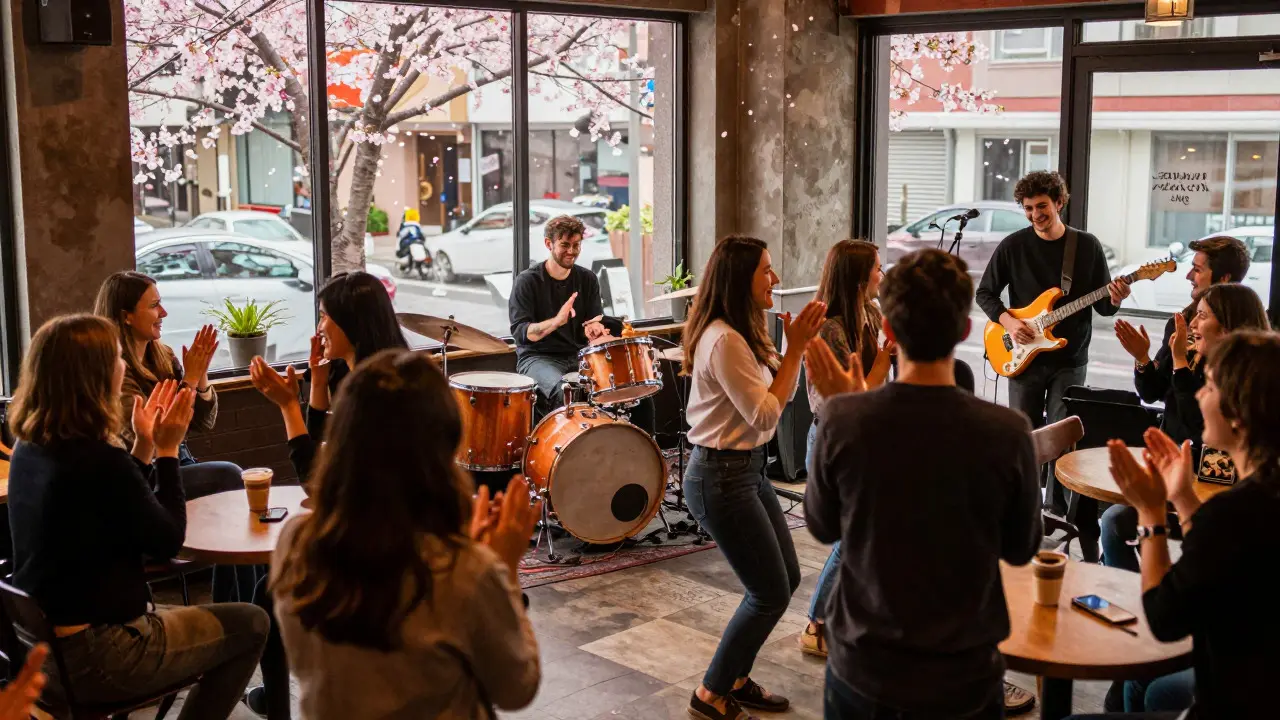
Local cafes and small venues became hubs for discussion. People gathered not just to hear music, but to talk about what it meant to rebuild. These informal gatherings, sparked by the concerts, facilitated networking among locals, NGOs, and visiting journalists. The music acted as a catalyst for conversation. It lowered barriers that formal meetings often create. In this way, a single artist contributed to the social infrastructure of a recovering region.
Lessons for Modern Artists and Tour Managers
Alli Starr’s experience offers practical takeaways for anyone involved in music industry logistics or humanitarian arts projects. First, flexibility is non-negotiable. Schedules in disaster zones shift due to weather, road closures, and health protocols. Second, local partnerships are essential. Working with a trusted local fixer or organizer ensures that cultural missteps are minimized and logistics are handled efficiently. Third, focus on quality over quantity. One deeply connected performance in a small town can have a greater impact than ten rushed shows in major cities.
For artists considering similar ventures, the key is intentionality. Don't go to a crisis zone just for the photo op. Go because you believe in the power of your craft to heal. Prepare for the possibility that the audience will be skeptical at first. Earn their trust through consistency and respect. When you do this, the reward isn't just applause; it's a genuine human connection that transcends borders.
Frequently Asked Questions
Why did Alli Starr choose to stay in Japan after the Fukushima disaster?
Alli Starr chose to stay because she believed in the power of music to uplift spirits and build community bonds. Rather than viewing the area as unsafe, she saw it as a place where emotional support was critically needed. Her goal was to provide a sense of normalcy and joy to residents dealing with the long-term effects of the nuclear accident.
How did local audiences react to a foreign performer in Fukushima?
Initial reactions were mixed, ranging from skepticism to curiosity. However, as Alli demonstrated respect for local customs and focused on shared musical experiences rather than just entertainment, the audience warmed up. Many appreciated the gesture of an international artist taking the time to visit and engage with their community directly.
What specific challenges did she face during these tours?
Challenges included navigating restricted access zones, dealing with limited venue availability, and overcoming language barriers. There was also the psychological challenge of performing in front of people who had experienced significant loss and displacement. Logistics were complicated by ongoing safety checks and changing travel restrictions.
Did her performances lead to any long-term changes in the region?
While hard to measure quantitatively, the performances helped foster a sense of international solidarity. They encouraged local venues to host more diverse events and opened dialogue channels between residents and outside observers. The ripple effect included increased interest in local culture from abroad and a renewed emphasis on community gathering spaces.
Can other artists replicate this model of humanitarian touring?
Yes, but it requires careful planning and cultural sensitivity. Artists need to partner with local organizations, adjust their performance style to fit local norms, and commit to long-term engagement rather than short-term visits. Success depends on genuine intent and a willingness to listen to the community's needs.