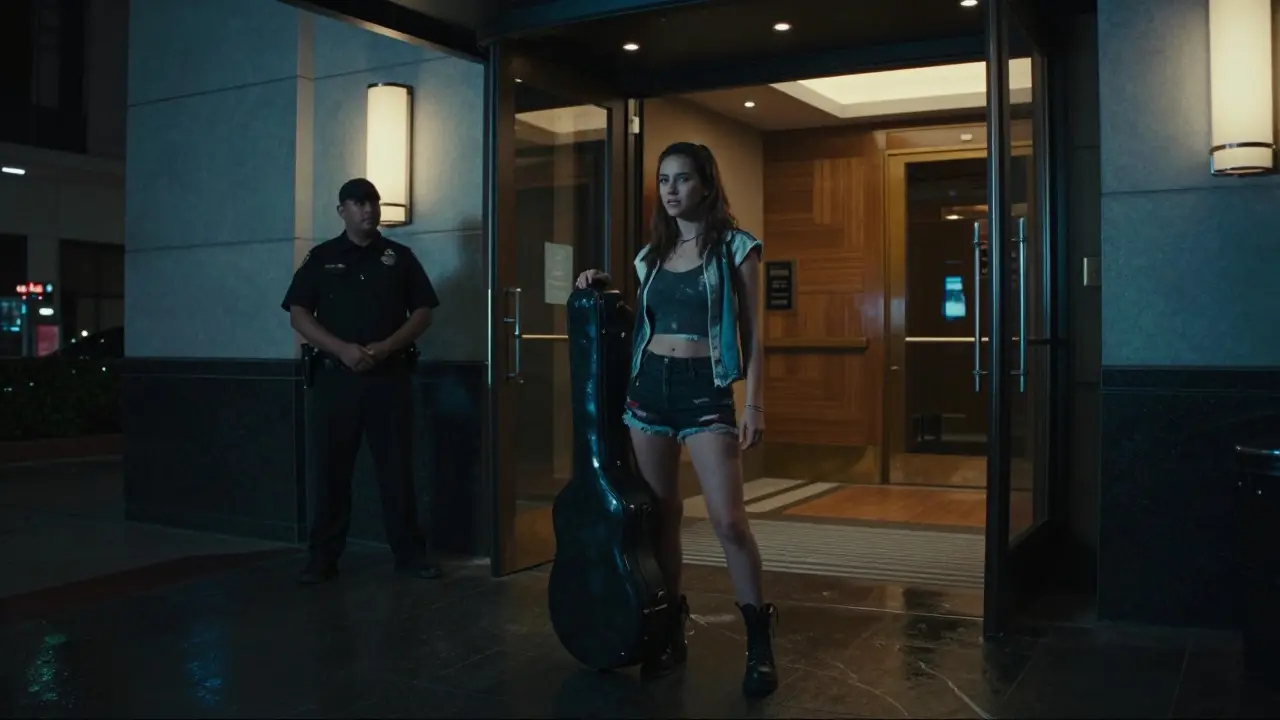
Imagine walking into a high-end Las Vegas club in the early 2000s with nothing but a guitar case and a dream. The bouncer doesn't care about your demo tape; he cares if you're wearing the right shoes. For Alli Starr is a rising talent who navigated the strict social hierarchies of the Las Vegas music scene through practical workarounds rather than just raw talent. Her story isn't just about hitting the high note; it's about how an outsider cracked the code of exclusive venues when the front door was effectively locked.
The core problem for emerging artists in that era wasn't lack of skill-it was access. Major clubs like those on the Strip or in downtown's Fremont East had rigid policies. If you weren't on the guest list, you paid cover. If you were a woman playing original material, you often faced double scrutiny. Alli’s approach was to bypass the traditional entry points entirely by leveraging back-of-house (BOH) culture.
The Dress Code Barrier and the "Back Door" Culture
Las Vegas nightlife operates on a visual economy. In the early 2000s, many premier venues enforced strict dress codes: no athletic wear, no flip-flops, and often, a minimum spend requirement before you could even see the stage. For a musician trying to test their set, this created a logistical nightmare. You couldn't just show up in rehearsal clothes. You needed to look like you belonged, which meant spending money you didn't have on outfits just to get past the velvet rope.
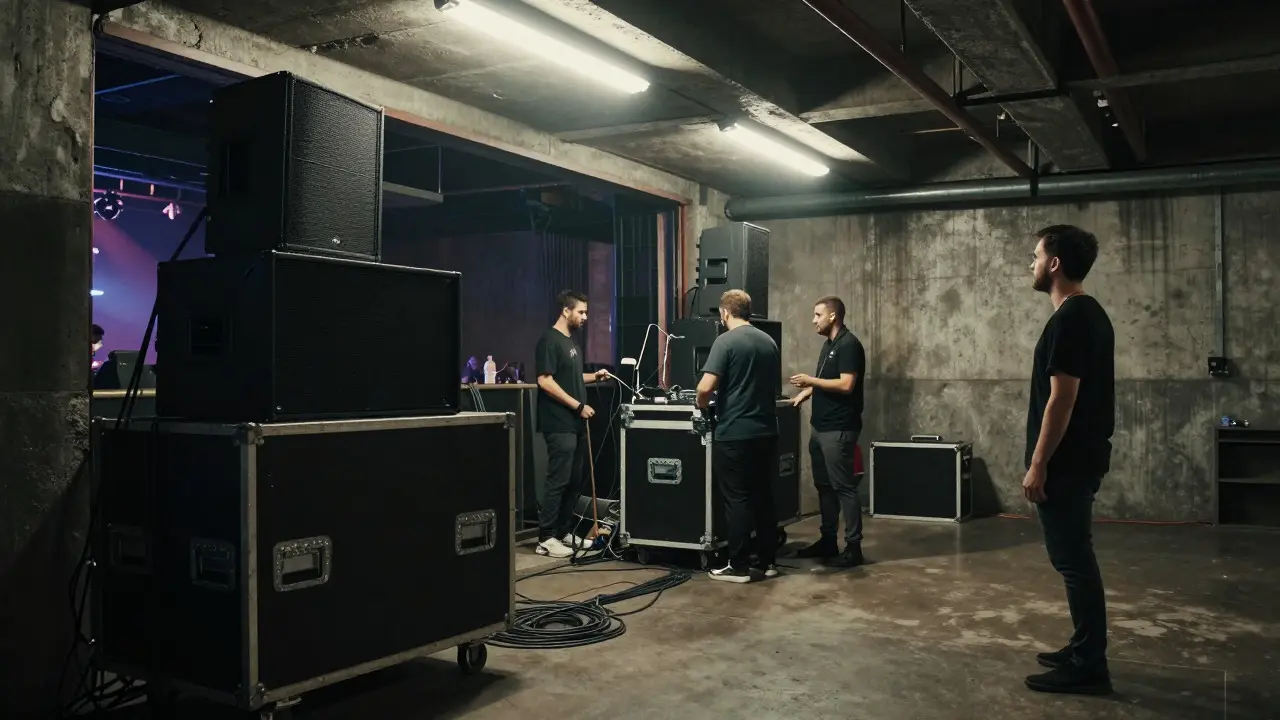
Alli’s workaround was simple but effective: she stopped fighting the front door. Instead, she focused on the service entrances. In large hospitality complexes, the difference between the public-facing lobby and the staff-only corridors is a single set of doors. By building relationships with sound engineers, barbacks, and security staff, she gained access to areas where the dress code was irrelevant. This isn't about sneaking in; it's about understanding that in the entertainment industry, the people who keep the lights on are often more influential than the people who buy the tickets.
- Front of House (FOH): High visibility, strict dress codes, high cost of entry.
- Back of House (BOH): Low visibility, functional attire allowed, relationship-based access.
- The Transition Zone: Green rooms and loading docks where artists meet technicians.
Dressing Rooms as Strategic Hubs
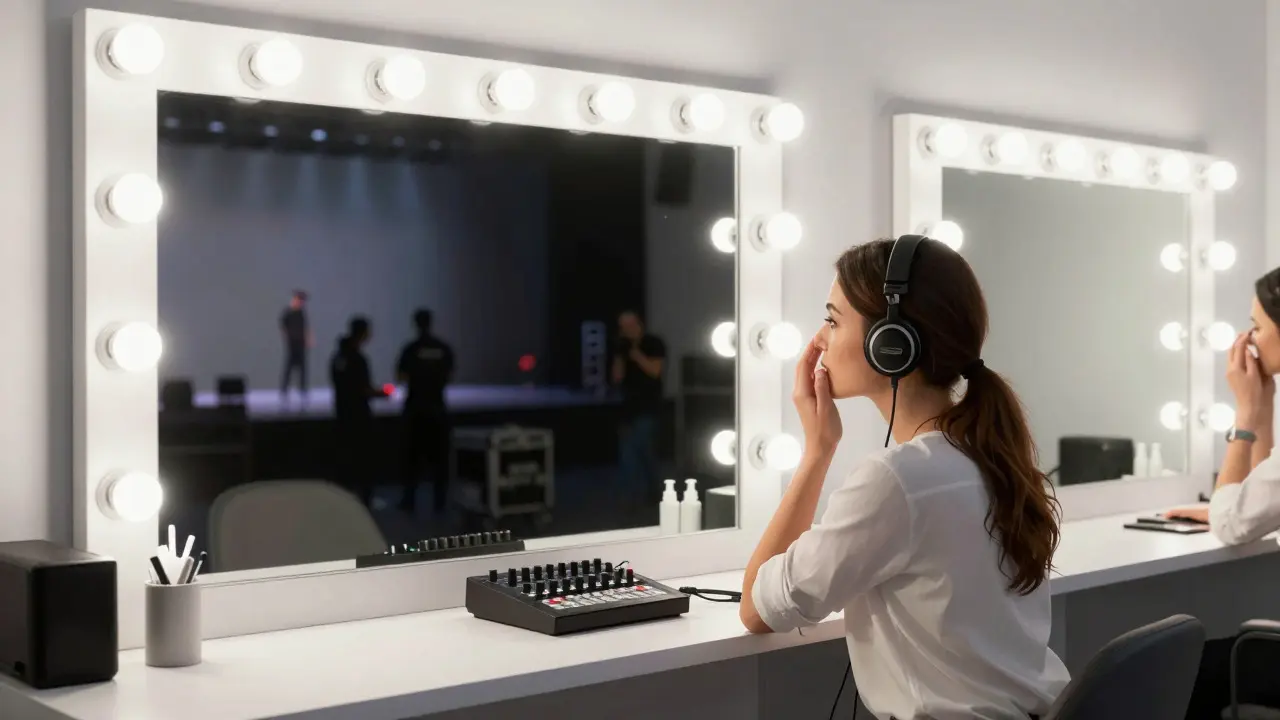
Once inside the building, the next challenge was finding a place to prepare. Public restrooms were too small for instrument setup, and waiting in line at the bar broke the momentum of a performance. Alli identified the dressing rooms not just as changing spaces, but as strategic hubs. These rooms were designed for privacy, equipped with mirrors, lighting, and often, direct audio feeds to the main stage.
By coordinating with headliners or established acts who had reserved these spaces, Alli could secure a temporary base camp. She would arrive early, use the professional lighting to check her appearance, and most importantly, monitor the room tone through the PA system. This allowed her to adjust her vocal mix and instrument levels before she ever stepped onto the main floor. It was a form of acoustic reconnaissance that gave her a significant edge over competitors who were still figuring out their sound in noisy lobbies.
| Strategy | Cost Impact | Access Reliability | Preparation Quality |
|---|---|---|---|
| Standard Cover Charge | High ($50-$100+) | Low (Subject to capacity) | Poor (Public noise) |
| Guest List (Social) | Moderate (Drinks) | Medium (Requires connections) | Fair (Lobby waiting) |
| BOH/Dressing Room Access | Low (Favors/Time) | High (Staff trust) | Excellent (Private, monitored) |
Building Trust with Technical Staff
The key to Alli’s success wasn't luck; it was reliability. Sound engineers and stage managers are notoriously busy and skeptical of new faces. To gain access to the BOH, Alli made herself useful. She brought coffee. She helped move cables. She never interrupted a tech check. Over time, she became a familiar presence rather than an intruder. This is a critical lesson for anyone entering the music industry: your network is only as strong as your reputation for being easy to work with.
This relationship-building extended to the dressing room hosts. By respecting the space-cleaning up after herself, not hogging the phone lines, and leaving on time-she ensured that future visits would be welcomed. In a city built on repetition, consistency is currency. Every positive interaction added to her capital, making it easier to negotiate better slots later.
The Logistics of Gear and Timing
Having access to a dressing room is one thing; using it efficiently is another. Alli developed a strict timeline for her pre-show routine. She arrived 90 minutes before her slot. The first 30 minutes were dedicated to gear check in the quiet of the green room. The next 30 minutes were for vocal warm-ups, utilizing the room's acoustics to ensure clarity. The final 30 minutes were for mental preparation and reviewing the setlist based on the current crowd energy observed from the balcony.
This routine minimized stress and maximized performance quality. It also demonstrated professionalism to the venue management. When a band shows up on time, with gear ready, and a clear plan, they become an asset rather than a liability. This perception shift is what ultimately led to permanent residency deals for many artists who started with these workarounds.
Lessons for Modern Musicians
While the specific clubs may have changed, the dynamics remain similar. Today, digital platforms offer some visibility, but live access is still gated by human decisions. The principle of leveraging BOH access remains valid. Whether it's a boutique hotel in downtown or a massive resort on the Strip, the staff members control the flow of information and physical access.
For any artist looking to break into a competitive market, consider these actionable steps:
- Identify Key Gatekeepers: Who controls the schedule? Who manages the equipment? Build relationships with them before you need anything.
- Optimize Your Prep Space: Don't settle for a corner booth. Find a private, well-lit area where you can focus.
- Respect the Ecosystem: Be reliable, clean, and courteous. Your reputation travels faster than your music in tight-knit scenes.
Alli Starr’s early days in Las Vegas weren't defined by overnight fame, but by the quiet, strategic accumulation of access. By turning obstacles into opportunities and viewing every interaction as a potential partnership, she carved out a space in a city that often ignores newcomers. Her story serves as a reminder that in the entertainment industry, knowing how to open the door is just as important as knowing how to sing once you're inside.
What was the main advantage of using dressing rooms for preparation?
Dressing rooms provided privacy, professional lighting, and often direct audio feeds to the stage, allowing artists to monitor room tone and adjust their sound before performing.
How did Alli Starr gain access to Back of House areas?
She built relationships with technical staff like sound engineers and stage managers by being helpful, reliable, and respectful of their workflow, eventually gaining trusted access to service entrances.
Why was the front door strategy ineffective for emerging artists?
Front doors involved high cover charges, strict dress codes, and unpredictable wait times, which drained resources and disrupted performance momentum.
What role did reliability play in Alli's success?
Reliability transformed her from an outsider into a trusted partner. By showing up on time and keeping the space clean, she ensured that venue staff viewed her as an asset rather than a burden.
Can these strategies be applied to other cities?
Yes, the principles of leveraging staff relationships and optimizing prep spaces are universal in live music venues, regardless of location, though specific local norms may vary.