Ever watched a music video and felt like you were intruding on something private, yet completely captivated by the strength radiating from the screen? That tension is hard to pull off. It requires a director who understands that vulnerability isn't weakness-it's a form of power. Alli Starr has carved out a niche in music video direction by mastering this exact balance. Her work doesn't just showcase artists; it dissects them, revealing layers of control and surrender that most directors miss.
This approach matters because audiences are tired of polished perfection. They want raw truth. When an artist like SZA or Khalid steps into a frame directed by Starr, the result feels less like a performance and more like a confession. But how does she achieve this? It’s not magic. It’s a deliberate interplay of lighting, framing, and psychological nuance that turns simple shots into complex narratives about human connection.
The Psychology of the Close-Up
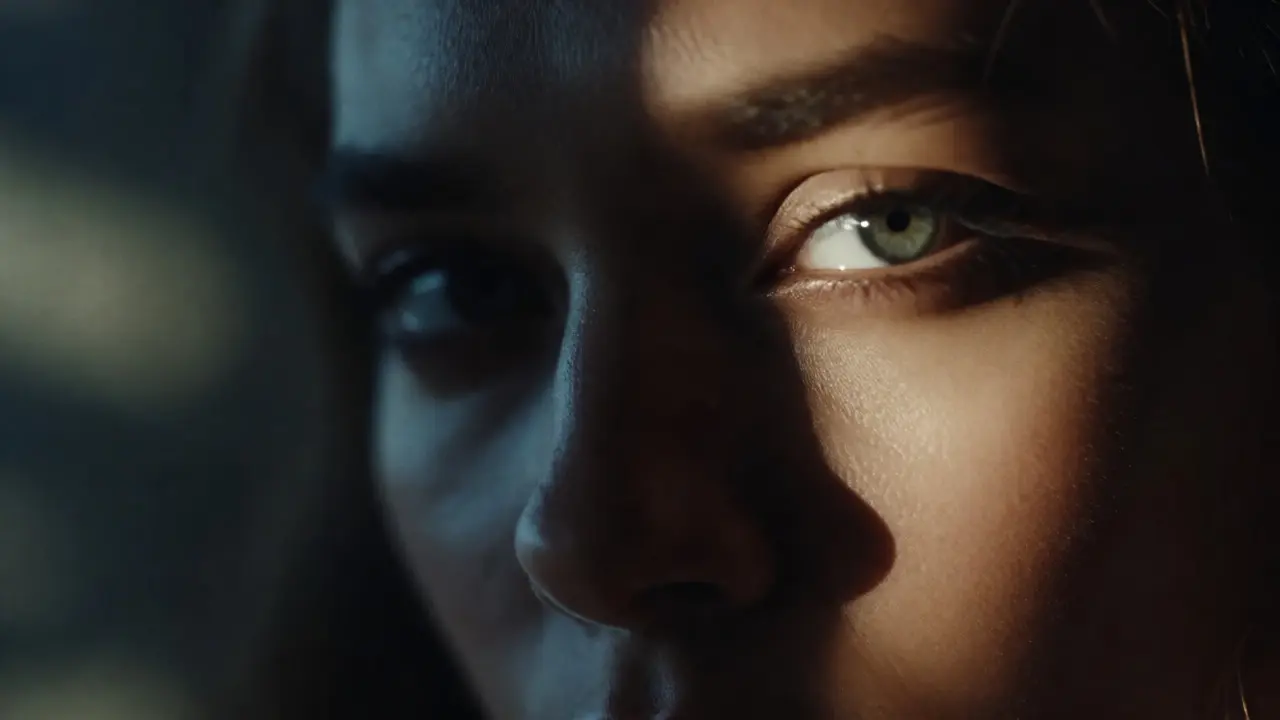
Most directors use close-ups to show emotion. Starr uses them to challenge the viewer. In her videos, the camera often lingers uncomfortably long on a subject’s face. This isn’t accidental. By forcing us to hold eye contact with the artist, she creates a sense of intimacy that borders on confrontational. You can’t look away without feeling guilty.
Consider the way she handles silence in audio-visual sync. While the beat might be driving, the visual focus remains static and intense. This contrast amplifies the emotional weight. The camera angle becomes a character itself, shifting from low angles that empower the subject to high angles that expose their fragility. This dynamic range keeps the viewer guessing, preventing the narrative from becoming predictable.
It’s also about what she leaves out. Starr rarely over-directs movement. She trusts the artist’s natural presence. If an actor fidgets, she keeps rolling. Those small, unscripted moments often carry more power than choreographed dances. They remind us that these stars are human, flawed, and real. This authenticity builds trust between the audience and the artist, making the eventual display of dominance or confidence feel earned rather than imposed.
Lighting as a Narrative Tool
Lighting in Starr’s work isn’t just about visibility; it’s about mood and metaphor. She frequently employs chiaroscuro techniques-strong contrasts between light and dark-to visualize internal conflict. A half-lit face suggests duality. One side represents the public persona, the powerful star; the other hides the private self, vulnerable and uncertain.
| Technique | Traditional Approach | Alli Starr’s Approach |
|---|---|---|
| Lighting Contrast | Even, flattering illumination | High contrast to reveal texture and shadow |
| Camera Movement | Smooth, stabilized tracking shots | Handheld instability to create immediacy |
| Color Palette | Vibrant, saturated hues for energy | Muted tones to emphasize emotional depth |
| Framing | Centered, symmetrical composition | Off-center, claustrophobic framing |
This method aligns perfectly with themes of power dynamics. Shadows hide secrets, while harsh light exposes truths. When an artist moves from shadow into light, it symbolizes acceptance or revelation. Conversely, stepping back into darkness can signify retreat or mystery. These visual cues guide the viewer’s interpretation without needing explicit dialogue. It’s subtle storytelling that rewards attentive viewing.
Moreover, the temperature of the light plays a crucial role. Cold blues often denote isolation or detachment, common in verses discussing heartbreak or loneliness. Warm ambers appear during choruses, suggesting hope, passion, or reconciliation. This shift isn’t random; it mirrors the song’s lyrical arc, creating a cohesive audiovisual experience that feels intentional and deeply personal.
Space and Proximity
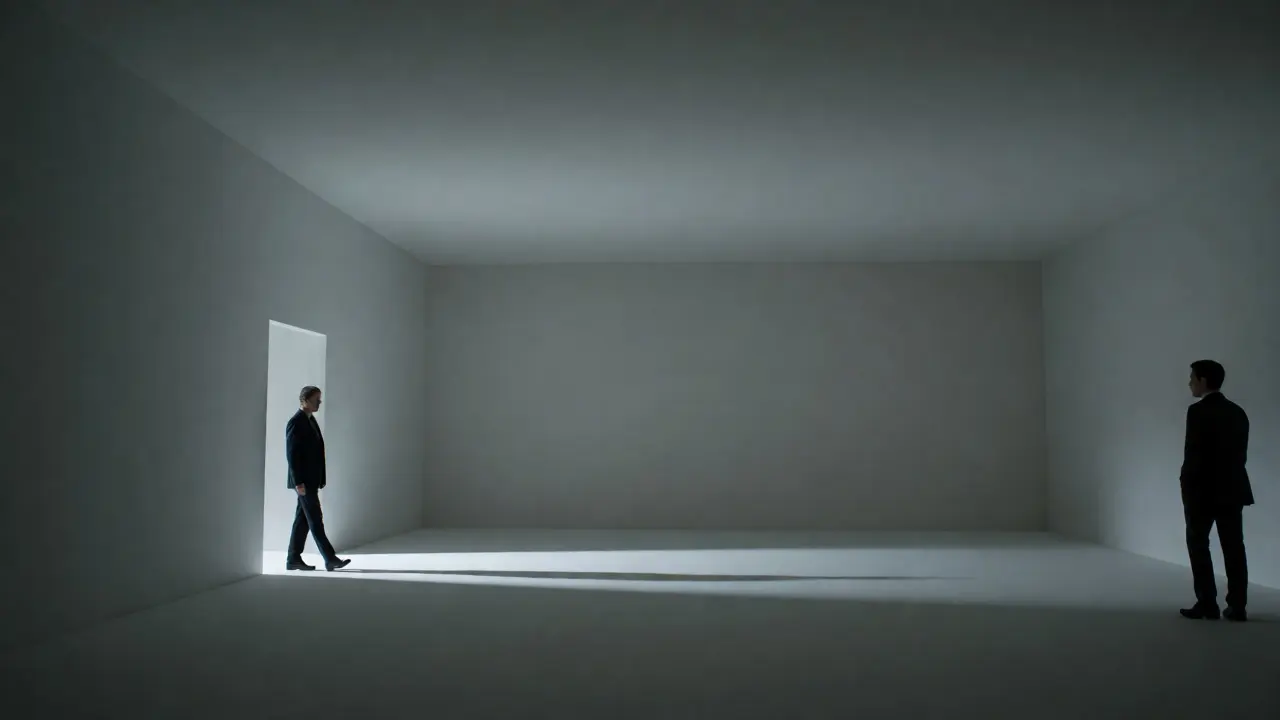
Physical distance in a frame dictates emotional distance. Starr manipulates space to reflect relationships. In scenes depicting conflict, characters might occupy opposite ends of a vast, empty room. The emptiness around them screams isolation. Yet, when intimacy peaks, the frame tightens until bodies almost merge. This compression of space forces proximity, making the viewer feel the heat and tension between subjects.
She also uses props strategically. A single chair, a mirror, or a doorway becomes a boundary marker. Crossing these thresholds signifies a shift in power. For instance, an artist standing behind a glass window looks trapped but safe, observing the world outside. Stepping through that door breaks the barrier, exposing them to risk and reality. These simple actions carry heavy symbolic weight, turning mundane objects into narrative devices.
The environment itself often reflects the artist’s mental state. Cluttered rooms suggest chaotic thoughts, while sterile, minimalist spaces imply control or emptiness. By curating these settings carefully, Starr ensures that every element in the background supports the foreground action. There’s no wasted space. Every object serves a purpose, reinforcing the theme of intimate exposure versus guarded power.
Choreography vs. Natural Movement
Dance videos usually rely on precise choreography. Starr often subverts this expectation. Instead of synchronized group dances, she focuses on individual expression. Movements are slower, more deliberate, and sometimes awkward. This choice highlights the humanity of the performer. It strips away the illusion of superhuman ability, replacing it with relatable effort.
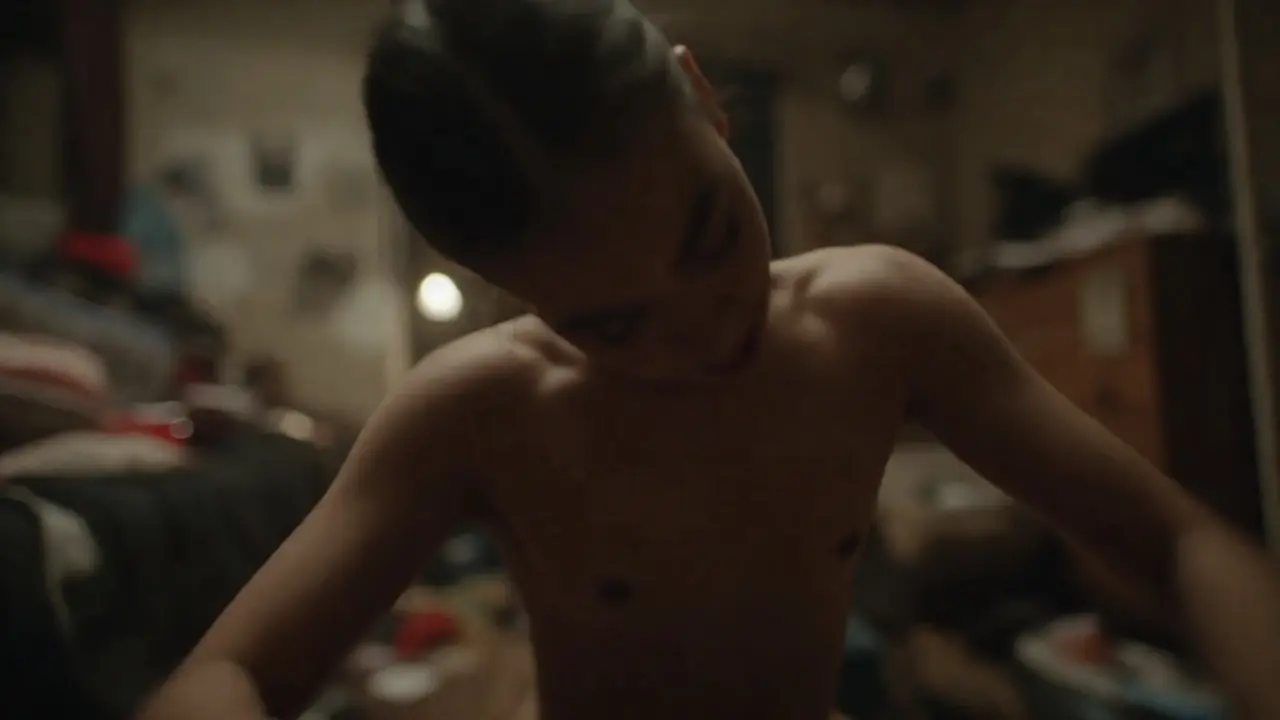
When choreography is used, it’s often fragmented. Hands moving independently, shoulders shrugging, heads tilting-these micro-movements convey emotion more effectively than grand gestures. They mimic the involuntary reactions we have when we’re nervous, excited, or sad. This realism grounds the fantastical elements of music videos, making them accessible and emotionally resonant.
Furthermore, the interaction between dancers often tells a story of negotiation. Who leads? Who follows? At one moment, Artist A guides Artist B; in the next, roles reverse. This fluidity challenges traditional gender norms and power structures, presenting relationships as equal partnerships rather than hierarchical arrangements. It’s a progressive stance that appeals to modern audiences seeking representation and complexity in media.
Sound Design and Visual Rhythm
While visuals dominate, sound design plays a pivotal role in enhancing intimacy. Starr often mutes background noise, focusing solely on breathing, footsteps, or fabric rustling. These ASMR-like sounds heighten the sensory experience, making the viewer feel physically present in the scene. It’s a technique borrowed from horror films, where silence builds tension, applied here to romantic or dramatic contexts.
The editing rhythm matches the audio beats but also disrupts them. Quick cuts might happen on off-beats, creating a sense of unease or excitement. Long takes allow emotions to breathe. This irregular pacing prevents monotony and keeps the viewer engaged, constantly adjusting to the new visual tempo. It mirrors the unpredictable nature of real-life interactions, where conversations don’t always follow a steady rhythm.
Lyrics are often treated as secondary to the visual narrative. Sometimes, words are omitted entirely, letting the imagery speak. Other times, they are whispered or distorted, adding layers of meaning. This treatment respects the intelligence of the audience, trusting them to interpret the message without being spoon-fed every detail. It creates a collaborative viewing experience where the audience participates in constructing meaning.
Impact on Artist Branding
Directors shape how we perceive artists. Starr’s style positions her collaborators as thoughtful, complex individuals rather than mere entertainers. This branding strategy helps artists stand out in a crowded market. It signals maturity and artistic integrity, attracting listeners who value substance over spectacle.
Critics and fans alike respond positively to this depth. Social media discussions often focus on the symbolism and hidden meanings in her videos, generating organic engagement. Fans dissect frames, share interpretations, and rewatch clips to catch missed details. This sustained interest extends the lifecycle of a single, keeping it relevant long after its initial release.
For emerging artists, working with a director like Starr offers a shortcut to credibility. It associates them with a specific aesthetic known for quality and insight. However, it requires trust. Artists must be willing to expose themselves, literally and figuratively. Not everyone is ready for that level of scrutiny, which makes successful collaborations all the more impressive.
What defines Alli Starr’s directing style?
Her style is defined by a delicate balance between intimacy and power, using close-ups, high-contrast lighting, and minimalistic sets to explore psychological depth and vulnerability in artists.
How does lighting contribute to the narrative in her videos?
Starr uses chiaroscuro lighting to visualize internal conflicts, with shadows representing hidden aspects of the self and bright lights symbolizing revelation or exposure.
Why does she prefer natural movement over choreography?
Natural movement emphasizes authenticity and human flaw, making the artist’s performance more relatable and emotionally resonant compared to polished, synchronized dance routines.
How does camera framing affect power dynamics?
Low angles empower the subject, while high angles expose vulnerability. Off-center and claustrophobic framing creates tension, reflecting the emotional state of the characters.
What role does sound design play in her videos?
Minimalist sound design, focusing on ambient noises like breathing, enhances intimacy and immersion, allowing the visuals to take center stage while maintaining sensory engagement.