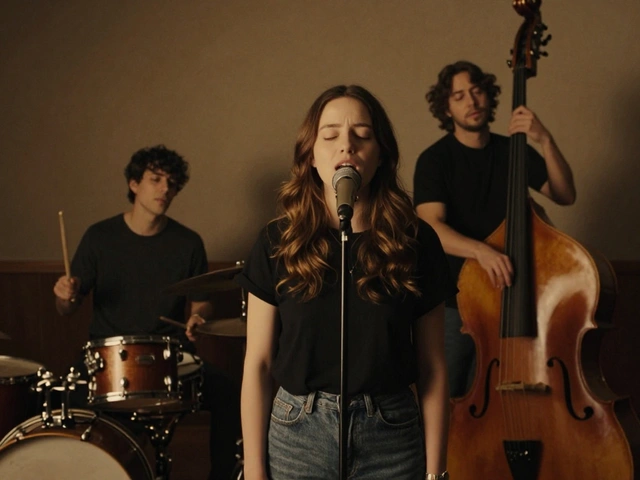
Most artists dream of the big stadium lights, but few realize that the path to international tours often starts in a cramped back room in a city known for its neon. Alli Starr is a singer-songwriter who leveraged the high-volume live music scene in Las Vegas to build a global fanbase. Her journey isn't just about talent; it’s a masterclass in strategic career building. By treating every local show as a business opportunity rather than just a performance, she turned regional attention into a sustainable touring machine.
The core problem many musicians face is the gap between playing well and getting paid. You can have the best voice in town, but if you don’t understand the economics of the live circuit, you’ll burn out before you hit your first major market. Alli’s approach in Las Vegas is a major U.S. city with one of the highest concentrations of live entertainment venues per capita in the world offered her a unique laboratory. The city doesn’t sleep, which means the audience doesn’t stop flowing. This constant stream of new faces allowed her to test setlists, merchandise strategies, and social media hooks in real-time without waiting months for the next tour date.
Why Las Vegas Works as a Launchpad
It’s easy to dismiss Vegas as just a tourist trap, but for an emerging artist, it’s a goldmine of data. The live music industry here operates on a different clock than other cities. In Portland or Austin, you might play once a week. In Vegas, the top spots book acts multiple times a night. This frequency forces rapid adaptation. If a song flops at 9 PM, you tweak it for the 11 PM slot. If a merch bundle sells out, you reorder immediately. There’s no time for ego.
Alli utilized this environment to refine her stage presence, which is the combination of vocal delivery, movement, and audience interaction that defines a live performance. She learned that Vegas audiences are diverse. One night you’re singing for retirees from Ohio, the next for college students from Tokyo. This variety taught her how to read a room quickly-a skill that translates directly to international tours where cultural nuances matter. If you can keep a mixed-crowd engaged in a high-stakes casino hotel lobby, you can handle a festival crowd in Berlin.
The Mechanics of Building a Fanbase Locally
Talent gets you noticed; consistency gets you remembered. Alli’s strategy relied heavily on fan engagement, which involves direct interactions that convert casual listeners into dedicated supporters. She didn’t just play songs; she built relationships. Here’s how she structured her local shows to maximize impact:
- Mandatory Meet-and-Greets: Every ticket included a 5-minute photo op. This wasn’t optional. It forced personal connection and generated user-generated content (UGC) for social media.
- Exclusive Merch Drops: Each venue had a limited-edition item. Scarcity drives urgency. Fans bought not because they needed a shirt, but because they wanted the specific memory tied to that night.
- Email Capture Focus: Instead of chasing Instagram likes, she prioritized email sign-ups. An email address is owned by you; a follower is rented from a platform. This list became her primary communication channel for tour announcements.
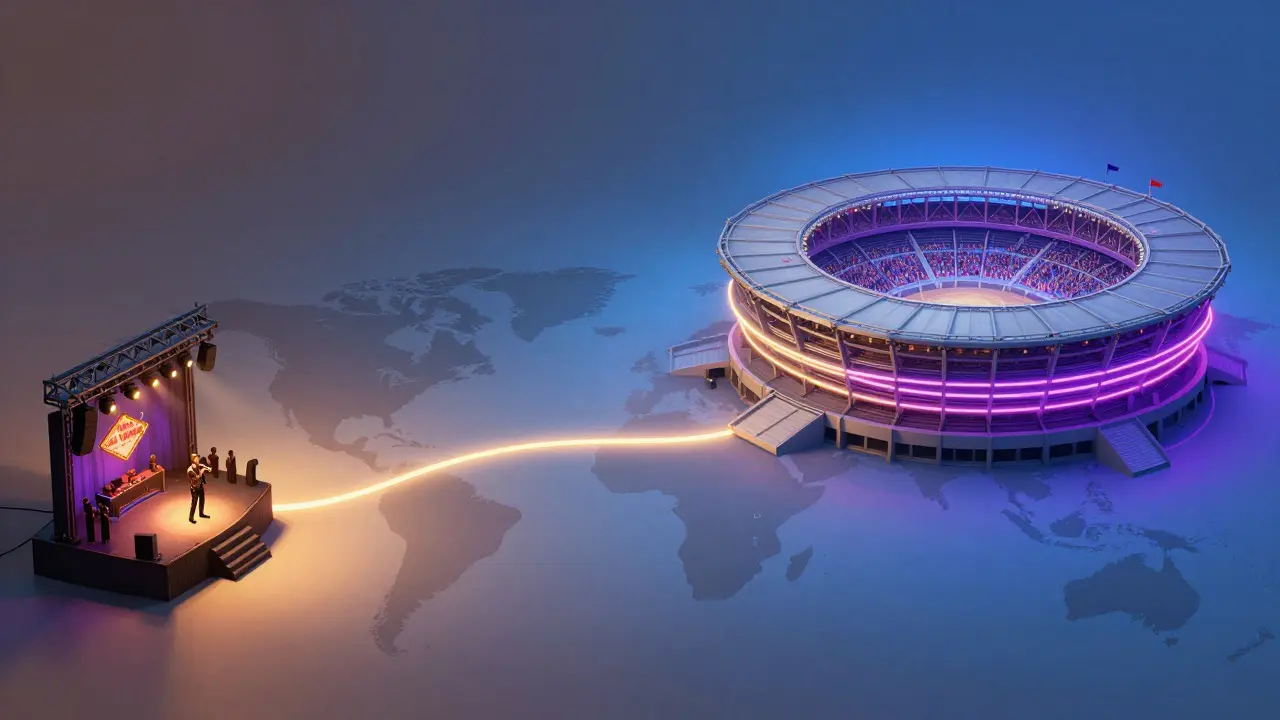
This methodical approach ensured that when she announced her first international dates, she didn’t have to guess if people would come. She already knew exactly how many fans were in each target city because she had been collecting data locally for years. The transition from local stages to international tours wasn’t a leap of faith; it was a calculated expansion based on proven demand.

Scaling Up: From Regional to Global
Once the local engine was running smoothly, the next step was scaling. Scaling doesn’t mean spending more money; it means optimizing processes. Alli worked with a small team of managers and booking agents who understood the specific dynamics of the touring economy. They analyzed which markets had the highest density of her existing fans and targeted those first.
The comparison between a typical local gig and a professional touring setup highlights the shift in focus:
| Factor | Local Stage (Vegas) | International Tour |
|---|---|---|
| Audience Composition | Mixed demographics, high turnover | Targeted fanbases, higher loyalty |
| Primary Goal | Data collection, brand testing | Revenue generation, brand cementing |
| Merchandise Strategy | Impulse buys, limited editions | Pre-orders, exclusive tour packs |
| Marketing Channel | In-person interaction, local press | Email lists, digital ads, global PR |
| Risk Profile | Low financial risk, high learning value | High financial risk, high reward potential |
Notice the shift in risk profile. Local gigs are low-risk experiments. International tours are high-stakes investments. By mastering the former, Alli minimized the uncertainty of the latter. She knew her break-even point. She knew her average ticket price tolerance. She knew which songs resonated across borders. This knowledge reduced the chance of a catastrophic loss on a major tour leg.
Key Takeaways for Emerging Artists
- Treat local shows as R&D: Use them to test what works before spending big on marketing.
- Own your audience: Prioritize email lists over social media followers for long-term stability.
- Leverage location advantages: Choose a base city with high foot traffic and diverse audiences to accelerate learning.
- Standardize operations: Create repeatable processes for merch, soundchecks, and fan interaction so quality doesn’t drop as you scale.
- Track data relentlessly: Know your numbers. Who bought tickets? Where did they come from? What did they buy? Data drives decisions, not gut feeling.
Common Pitfalls to Avoid
Many artists make the mistake of thinking that going international means leaving their roots behind. Alli kept her connection to the local scene strong even after landing international deals. Why? Because the local community provides a safety net. When international bookings slow down, you still have a home base where you can sell out rooms. Ignoring this can lead to financial instability during dry spells.
Another pitfall is underpricing early on. Some artists think they need to charge $10 tickets to fill a room. While this builds volume, it also signals low value. If you later try to raise prices to $30, fans feel betrayed. Better to start at a fair price that reflects your effort and grow gradually. Alli started with moderate pricing and increased it only as her reputation solidified. This maintained trust while improving margins.
Frequently Asked Questions
Is Las Vegas really better for starting a music career than other cities?
It depends on your genre, but for pop, country, and mainstream rock, yes. The sheer volume of tourists and the 24/7 entertainment culture create a faster feedback loop. However, if you’re in niche genres like experimental jazz, a city like New York or London might offer deeper critical acclaim, though with slower commercial growth.
How much does it cost to maintain a local touring schedule in Vegas?
Costs vary widely, but expect to pay venue fees, band splits, and travel within the city. A typical local show might cost $500-$1,500 all-in. The key is that these costs are offset by immediate merch sales and ticket revenue, making it cash-flow neutral or positive if managed correctly.
What is the most important metric to track during local shows?
Email capture rate. While ticket sales are important, the email list is your asset. Aim for at least 10-15% of attendees to sign up. This gives you a direct line to promote future tours without relying on algorithmic reach on social platforms.
Can I replicate this strategy outside of Las Vegas?
Yes. The principle is about finding a high-density market for your specific audience. If you’re a metal artist, maybe Chicago or Los Angeles is your "Vegas." The key is high volume and diverse exposure. Adapt the tactics (merch drops, meet-and-greets) to fit the local culture, but keep the data-driven mindset.
How long did it take Alli Starr to go from local to international?
Approximately three years. The first year was focused on establishing a consistent schedule and building the email list. The second year saw regional tours. The third year brought international offers based on the demonstrated demand from the previous two years. Consistency was the accelerator.