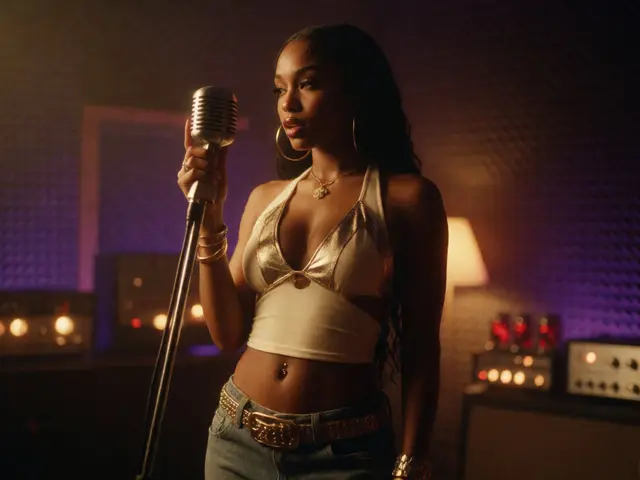
You’ve got two artists in a room. One is Alli Starr, with her signature blend of R&B and trap influences. The other is a collaborator whose vibe might be completely different. Now you have to make one video. Who decides what the camera sees? Who picks the color grade? If you let both egos drive the car, you end up with a mess. But if you kill one vision, you lose the magic. Alli Starr has navigated this exact tightrope in recent projects, offering a masterclass in how to handle creative direction on joint videos. It’s not about compromise; it’s about synthesis.
The Myth of the Shared Vision
People say "collaboration" means everyone agrees. That’s a lie. In film and music video production, agreement often leads to blandness. When Alli Starr teams up with another artist, whether it’s for a track like her work with Jorja Smith or emerging indie acts, the goal isn’t to average out their styles. It’s to create a third entity. Think of it like mixing audio. You don’t just lower the volume of the kick drum so the snare fits. You carve out space. You use EQ to make them sit together without fighting.
In visuals, this means assigning distinct roles. Maybe one artist owns the narrative arc-the story being told. The other owns the aesthetic texture-the lighting, the wardrobe, the location. This division prevents decision paralysis. If every choice requires a unanimous vote, you’ll never finish shooting. Instead, establish a hierarchy of influence based on who is driving the song’s emotional core. If the beat drops hard for Artist B, they get veto power on the choreography or the cut pace during that section. This keeps the energy authentic to each contributor while maintaining a cohesive whole.
Defining the Creative Brief Together
Before anyone touches a lens, you need a shared language. This is where most collaborations fail. They skip the brief because they’re too excited to start filming. Big mistake. A solid creative brief for a joint video should answer three questions:
- What is the single emotion we want the viewer to feel? Not two emotions. One. Is it longing? Aggression? Joyful chaos?
- Where does our worlds collide? Identify the visual intersection. For Alli Starr, this often involves blending gritty urban landscapes with soft, dreamlike filters. Find your equivalent.
- What are the non-negotiables? List things neither party will do. No lip-syncing in rain? No green screen? Write them down now.
This document becomes your referee. When arguments pop up on set-and they will-you point to the brief. "Does this shot serve the 'joyful chaos' goal?" If no, cut it. It removes personal preference from the equation and replaces it with project purpose.
Visual Language and Color Theory
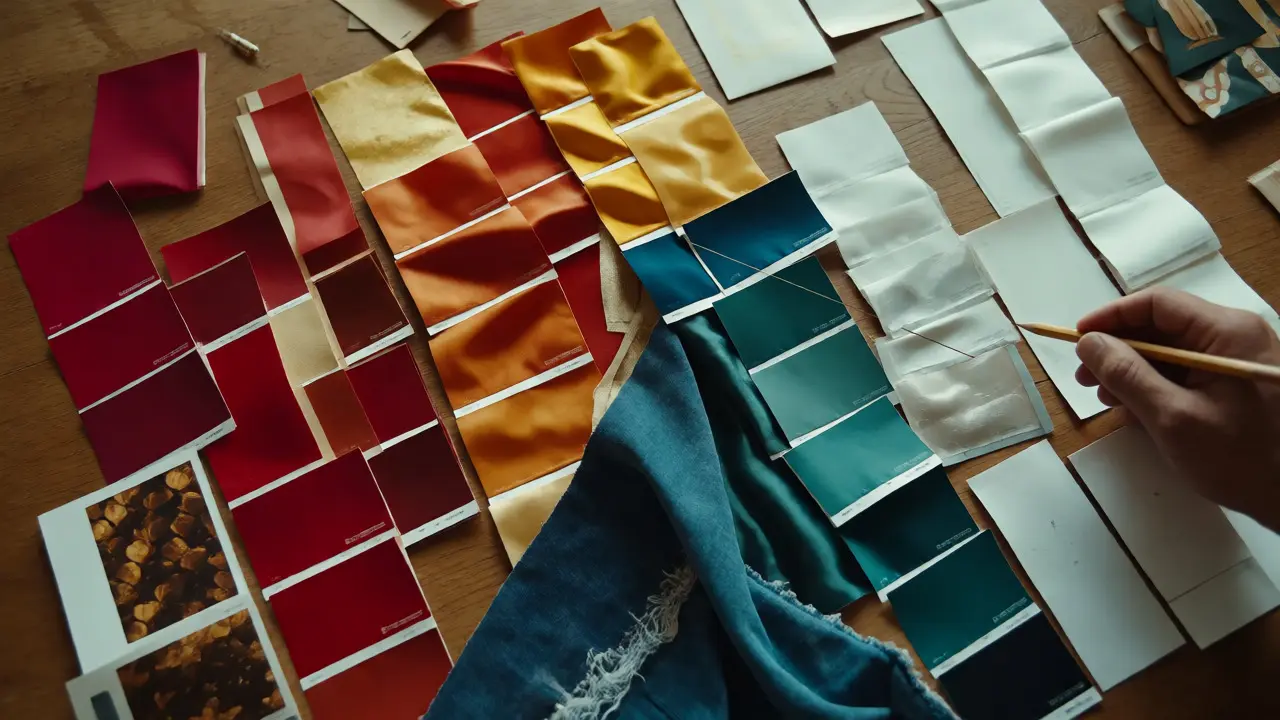
Color is the fastest way to unify disparate artistic identities. Alli Starr’s visuals often lean into warm, saturated tones-ambers, deep reds, and golds-that evoke intimacy and heat. If her collaborator prefers cool blues and sterile whites, you have a clash. Don’t mix them randomly. Choose a dominant palette and use the secondary as an accent.
| Strategy | Application | Risk |
|---|---|---|
| Dominant/Accent | One artist's color scheme covers 80% of the frame; the other provides highlights. | Secondary artist may feel marginalized. |
| Gradient Blending | Use lighting gels to transition smoothly between zones representing each artist. | Can look muddy if not carefully graded in post. |
| Sectional Split | Hard cuts between distinct color palettes for each verse/chorus. | Disjointed feeling if pacing doesn't match. |
For example, in a hypothetical duet, you might shoot Alli Starr’s segments with practical tungsten lights (warm) and the collaborator’s with daylight-balanced LEDs (cool). In editing, you pull the shadows toward teal and the highlights toward orange-a classic complementary scheme that naturally harmonizes opposites. This isn’t just technical; it’s psychological. Warm colors invite closeness. Cool colors create distance. Use this to mirror the lyrical content.
Casting and Wardrobe Synergy
Wardrobe is often overlooked in collaborative videos, treated as an afterthought. But clothes tell us who these people are before they speak. If Artist A wears streetwear and Artist B wears haute couture, the video looks like two different commercials spliced together. You need a stylist who understands synthesis.
Look at how successful duets handle this. They find common threads. Maybe both wear denim. Maybe both incorporate metallic accessories. Or maybe they play with contrast intentionally-matching silhouettes but clashing textures. The key is intentionality. Random mismatch reads as sloppy. Curated mismatch reads as edgy.
A pro tip: involve both artists in the fitting process, but let the director hold the final pen. Artists know their bodies and brands. Directors know how fabrics move under specific lighting conditions. Silk looks great in person but can appear transparent or overly shiny on camera depending on the light source. Trust the technician’s eye over the star’s preference when it affects visibility.
Editing as the Final Collaborator
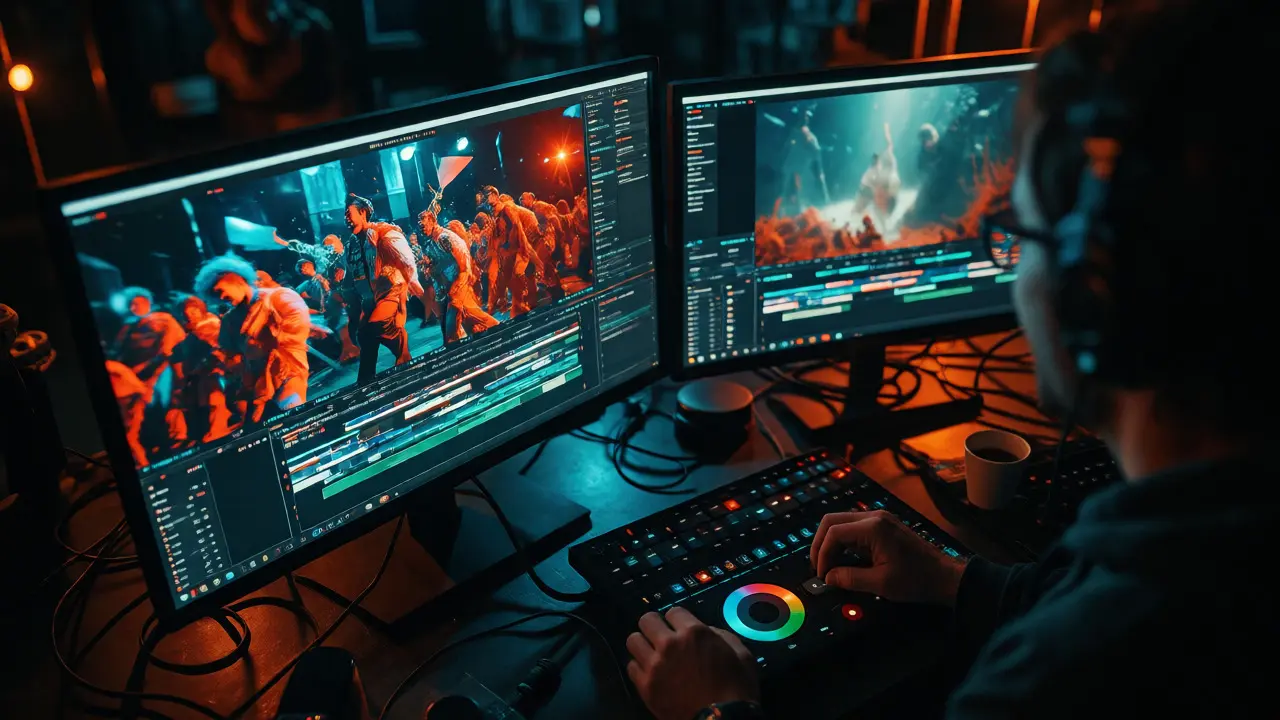
Shooting is only half the battle. Editing is where the true collaboration happens. This is where you decide who gets more screen time, whose face lingers longer, and whose voice carries the melody visually. A common pitfall is equal split. Just because there are two singers doesn’t mean they get 50% of the runtime each.
Let the song dictate the edit. If the bridge is purely instrumental and atmospheric, give the camera freedom to roam the environment rather than cutting back and forth between faces. Use B-roll that reflects the setting’s mood, not just the artists’ poses. Alli Starr’s videos often use environmental shots to build tension before revealing the performer. Adopt this technique to break the monotony of head-and-shoulders shots.
Also, consider the rhythm of cuts. Fast cuts suit high-energy tracks. Slow dissolves suit ballads. If one artist’s style is frantic and the other’s is laid-back, try syncing the cut speed to the dominant vocal track in each section. This creates a subconscious link between what we hear and what we see.
Promotion and Narrative Continuity
The video doesn’t end when the file renders. How you promote it extends the creative direction. Social media clips should highlight the chemistry, not just the solos. Post behind-the-scenes footage that shows the collaboration working-laughing together, reviewing monitors, adjusting hair. Humanize the partnership.
Create a mini-narrative across platforms. If the video features a specific location, tease it with photos before release. Drop lyric snippets that hint at the visual themes. This builds anticipation and frames the audience’s expectations. When they finally watch the video, they’re looking for those details, engaging more deeply than if they stumbled upon it cold.
Remember, the goal of creative direction in joint videos is to amplify both artists without diluting either. It’s a delicate balance of ego management, technical skill, and artistic intuition. By defining clear roles, unifying through color and theme, and letting the edit serve the song, you turn potential conflict into compelling art. Next time you’re directing a duo, ask yourself: Am I making one video, or two videos stuck together? Aim for the former.
How do you resolve creative disagreements between collaborating artists?
Establish a creative brief beforehand that defines the primary emotional goal. Assign specific domains of control (e.g., one artist controls wardrobe, the other controls location aesthetics) to prevent constant negotiation. When conflicts arise, refer back to the brief to determine which option best serves the agreed-upon vision, removing personal preference from the debate.
Should joint videos always feature equal screen time for both artists?
No. Screen time should reflect the song's structure and narrative focus. If one artist dominates the chorus or holds the central storyline, they may warrant more visual weight. Equal splitting can feel forced and disrupt the natural flow of the piece. Let the music dictate the pacing and distribution of attention.
What role does color grading play in unifying different artistic styles?
Color grading acts as a visual glue. By applying a consistent LUT (Look Up Table) or color palette across all footage, you mask differences in original shooting conditions or artistic preferences. Using complementary colors (like teal and orange) can harmonize contrasting elements, creating a cohesive aesthetic that feels intentional rather than accidental.
How can directors manage egos during a collaborative shoot?
Directors should act as neutral facilitators, focusing on the project's goals rather than individual desires. Validate each artist's input publicly but make final decisions privately or firmly on set. Ensure both artists feel heard by incorporating their ideas where possible, while maintaining authority over the overall visual consistency.
Is it better to shoot separately or together for joint videos?
Shooting together captures genuine chemistry and interaction, which is crucial for believable collaborations. However, logistical constraints sometimes require separate shoots. If shooting separately, ensure matching lighting setups, camera angles, and backgrounds to facilitate seamless editing. Always prioritize capturing interactive moments if schedules allow.