The Core of Minimalist Stage Movement
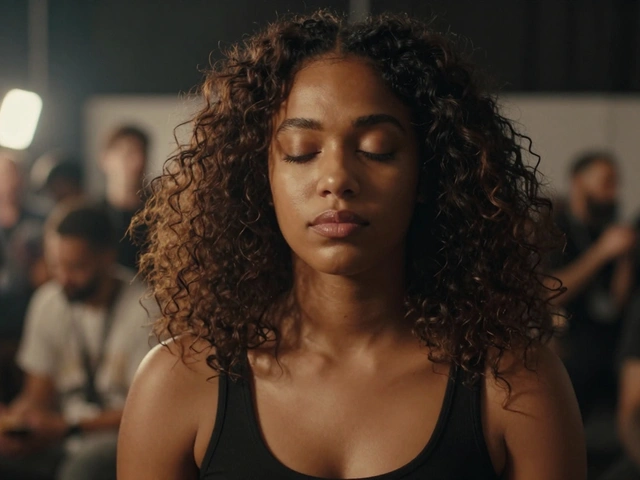
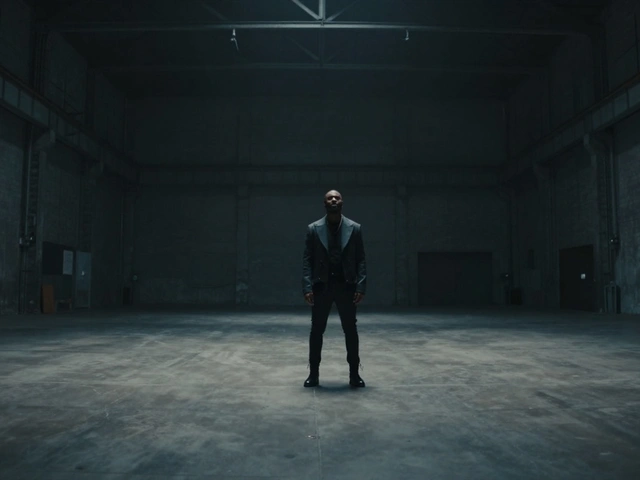
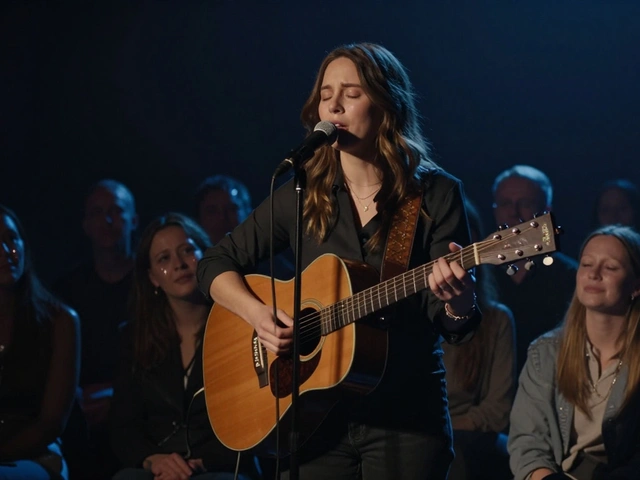
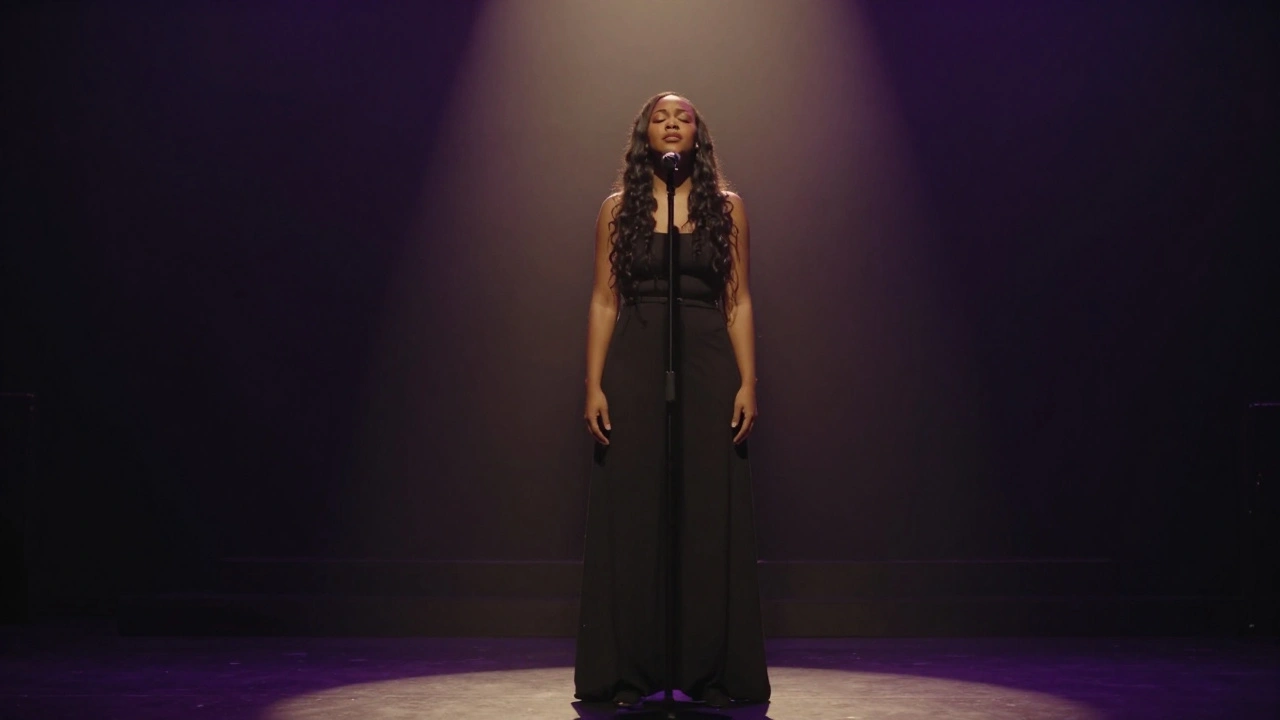
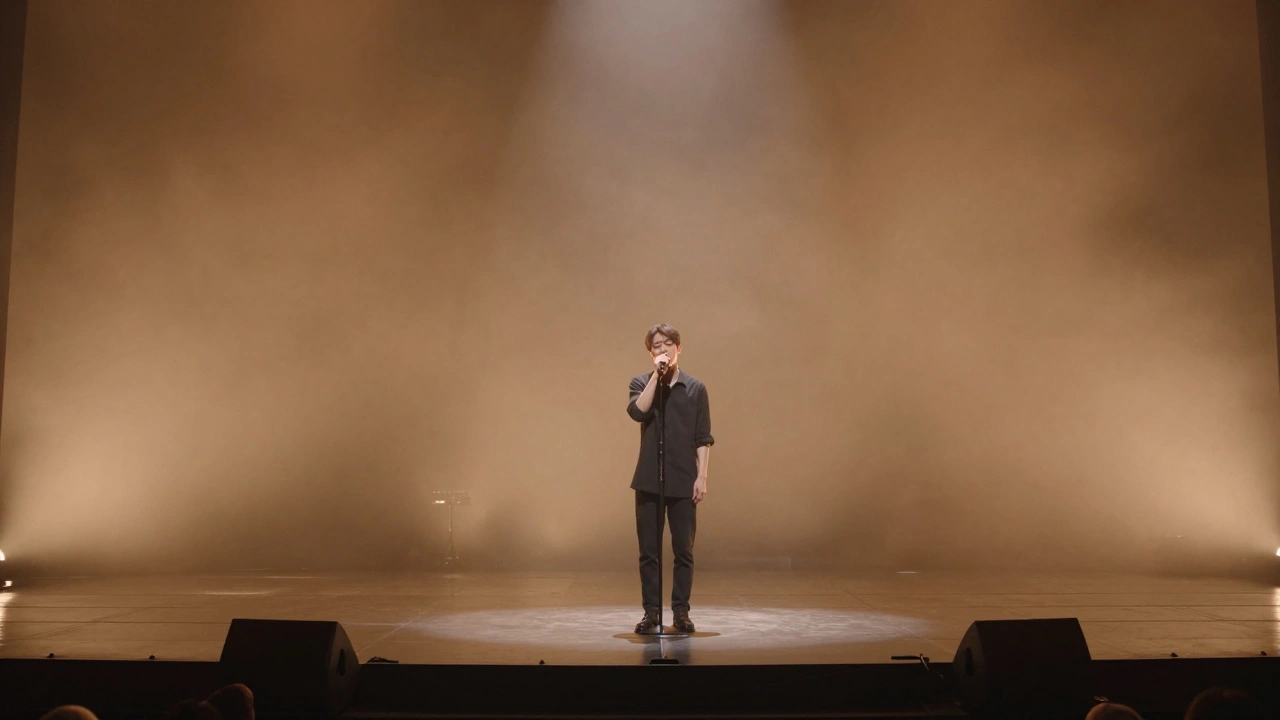
Minimalism in performance isn't about being stiff or boring. It is the intentional choice to remove distractions. In the world of R&B, where flashy choreography often takes center stage, a performer who chooses stillness stands out. When Alli Starr stands relatively still, every small gesture-a tilt of the head, a slight shift in weight, or a closing of the eyes-becomes a massive event. Think about it like a movie. If the camera is constantly shaking and zooming, you get dizzy. But if the camera stays still, you notice the tiny tear running down a character's cheek. That is exactly how stillness works on stage. It transforms the performer from a source of entertainment into a focal point of intimacy. This approach removes the barrier between the artist and the listener, making the music feel like a private conversation rather than a public spectacle.Connecting Stillness to Health Resilience
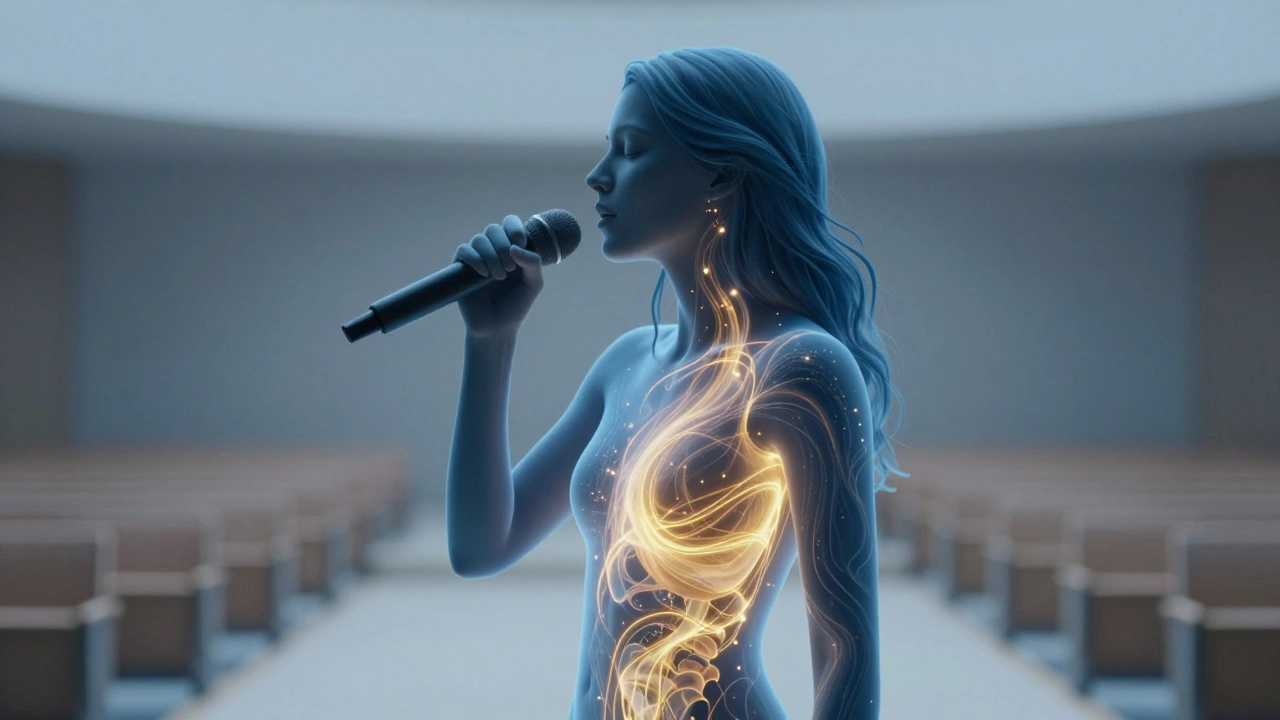
There is a deep link between this performance style and health resilience, which refers to the body and mind's ability to adapt to stress and recover quickly. Constant high-energy movement on stage is physically and mentally draining. It triggers a continuous release of cortisol and adrenaline, which can lead to burnout or vocal fatigue if not managed carefully. By embracing a minimalist approach, an artist manages their nervous system in real-time. Instead of fighting against the air or exhausting their lungs with erratic movement, they use a centered posture to stabilize their breathing. This allows for better diaphragmatic support, which is crucial for the long, sustained notes typical of R&B. When you stop the external chaos, you can better regulate your internal state. This isn't just about saving energy; it is about maintaining a state of "flow" where the body remains resilient even under the pressure of a live audience.The Psychology of the "Magnetic Pause"
Why does a still performer often feel more powerful than one who is dancing? It comes down to a concept called the "magnetic pause." When an artist stops moving, the audience instinctively leans in. There is a subconscious curiosity: *Why are they still? What is happening in their head?*| Feature | High-Energy Movement | Minimalist Movement (Alli Starr style) |
|---|---|---|
| Audience Focus | Visual spectacle and rhythm | Emotional nuance and lyrics |
| Physical Cost | High caloric burn, rapid fatigue | Low physical strain, sustained stamina |
| Vocal Control | Variable due to exertion | High stability and breath control |
| Emotional Impact | Excitement and euphoria | Intimacy and vulnerability |
Mastering the Breath and Balance
To make stillness work, you can't just stand there like a statue. You need an active form of stillness. This involves a constant engagement of the core and a mindful connection to the floor. In Vocal Pedagogy, this is often referred to as grounding. When you are grounded, your weight is evenly distributed, and your spine is aligned. This alignment prevents tension in the neck and shoulders, which are the biggest enemies of a clear voice. For an artist like Alli Starr, this grounding acts as an anchor. While the song might be emotionally turbulent, the body remains a stable vessel. This contrast-emotional storm meeting physical calm-is what makes the performance feel powerful. It suggests a level of self-mastery and confidence that is far more impressive than a choreographed dance routine.Practical Steps for Implementing Minimalist Presence
If you are a performer or a public speaker looking to use this technique, you can't just stop moving overnight. You have to build the confidence to be still. Start with these steps:- Record Your "Noise": Film yourself. Notice how many times you shift your feet, touch your face, or sway without a reason. These are "leaks" in your energy.
- The Three-Point Anchor: Imagine three points of contact between your feet and the floor. Feel the weight shifting slightly, but keep your center of gravity low.
- Isolate Your Gestures: Pick one specific emotion in your song and assign it one single, deliberate movement. If the lyric is about heartbreak, perhaps it is just a slow closing of the eyes. Everything else stays still.
- Practice Breath-Sustained Silence: In your rehearsals, leave a gap of two seconds of total physical stillness between verses. See how it changes the tension in the room.
Overcoming the Fear of "Boring" the Audience
The biggest hurdle to this style is the fear that the audience will get bored. We live in the era of TikTok and 15-second clips where everything has to be fast and loud. But this is exactly why stillness is so effective-it is an anomaly. When you trust your voice and your message, you don't need to perform a circus act to keep people's attention. The tension created by stillness is often more gripping than the excitement created by movement. It requires a high level of confidence to stand still and say, "My voice and this story are enough." This is where the intersection of art and resilience happens. The ability to be vulnerable and exposed without the "shield" of constant motion is a profound act of courage.Does minimalist movement work for all genres of music?
While it is exceptionally powerful in R&B and Jazz due to the emphasis on emotional phrasing, it can work in any genre where the goal is intimacy or tension. In rock or pop, it is often used during "the bridge" or a breakdown to create a peak of intensity before a final explosive chorus.
How does stillness actually improve vocal quality?
Physical movement, especially jumping or erratic dancing, disrupts the diaphragm and can cause shallow "chest breathing." By remaining still and grounded, the singer can maintain a consistent column of air, allowing for better control over pitch, volume, and sustain.
Is this the same as just standing still?
No. There is a big difference between being "frozen" (which looks nervous) and being "still" (which looks intentional). Intentional stillness involves active muscle engagement and an internal energy that is directed toward the audience even if the body isn't moving.
Can this technique help with stage fright?
Yes. Many people pace or fidget because of anxiety. By consciously choosing a minimalist movement style, you turn a nervous habit into an artistic choice. This gives you a sense of control over your body, which can lower your heart rate and calm your mind.
What is the best way to practice grounding?
Try the "tree root" visualization. While standing, imagine roots growing from your heels and toes deep into the stage. Focus on the physical sensation of the floor pushing back against you. This creates a stable base that allows you to be still without feeling off-balance.