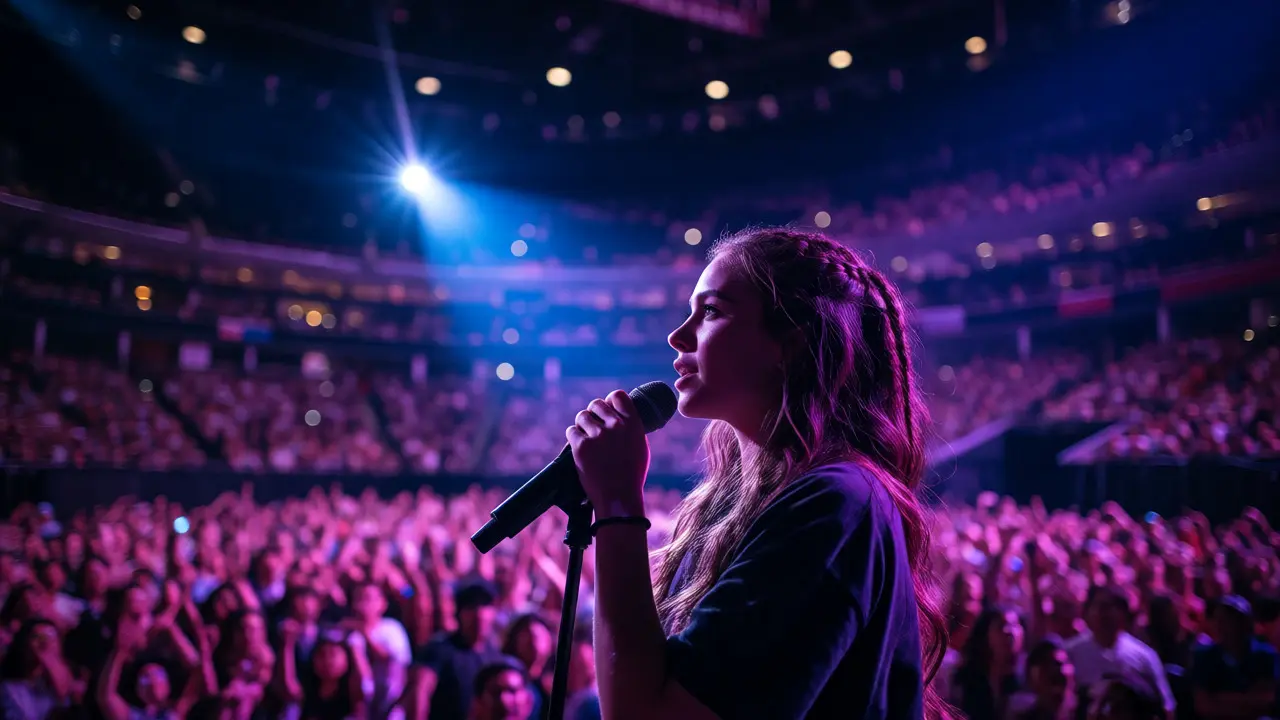
Imagine standing on a stage where the crowd isn't just watching you-they're waiting for the next big thing to happen. That was the reality for Alli Starr, an emerging artist who seized a rare opportunity in 2024 by supporting Will Smith on his global tour. This wasn't just about opening acts getting their fifteen minutes of fame; it was a masterclass in leveraging massive visibility to build a career from the ground up.
If you've ever wondered how unknown artists break through the noise, Alli Starr's journey offers a concrete blueprint. It’s not magic. It’s strategy, timing, and raw talent meeting a platform that amplifies both. By joining Will Smith’s tour, she didn't just perform songs; she accessed a demographic that most independent artists spend years trying to reach. Let’s look at how this move reshaped her trajectory and what it means for the modern music landscape.
The Strategic Value of High-Profile Tour Support
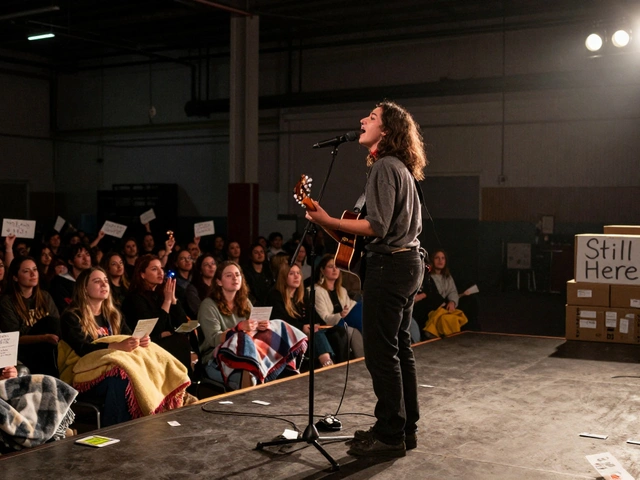
Supporting a legacy act like Will Smith is different from touring with peers. When you open for someone with decades of cultural dominance, you inherit their credibility. For Alli Starr, this meant bypassing the traditional "grind" of local venues and playlist pitching. Instead, she stepped into arenas filled with people who already trusted the headliner. If they liked Will Smith, they were predisposed to like whoever he chose to share the stage with.
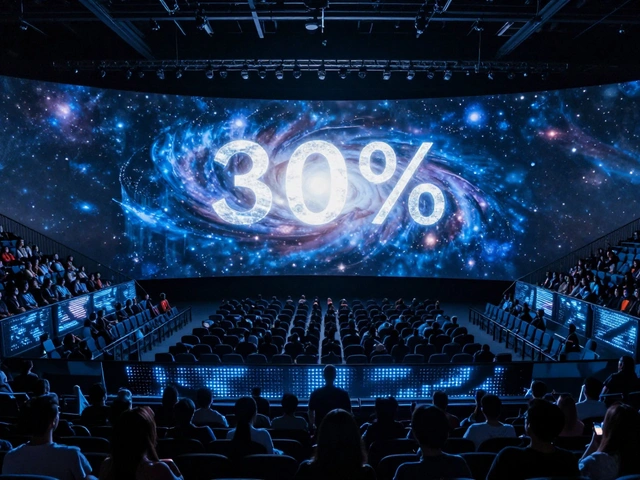
This dynamic creates a unique psychological effect. Fans arrive expecting nostalgia and hip-hop classics. When Alli Starr took the mic, she offered something fresh-R&B-infused pop with a distinct visual aesthetic. The contrast worked. It highlighted her uniqueness rather than hiding it. Data from similar collaborations shows that opening acts for major tours see a spike in streaming numbers ranging from 30% to 50% within weeks of the tour’s conclusion. For Starr, this translated into millions of new streams and a significant bump in social media followers.
But visibility alone doesn't guarantee success. The key was consistency. Starr didn't just show up; she tailored her setlist to fit the energy of Will Smith’s audience while staying true to her brand. She introduced herself personally between songs, creating a connection that felt intimate despite the massive venue size. This approach turned casual observers into potential superfans.
Leveraging Digital Platforms During Live Events
In 2024, the concert experience extends far beyond the physical venue. Alli Starr understood that every second on stage needed to be captured and shared. Her team deployed a real-time content strategy that leveraged platforms like TikTok and Instagram Reels. They didn't wait for professional edits; they posted raw, high-energy clips directly from the side of the stage.
This immediacy mattered. Fans attending the concerts could tag themselves in posts, spreading the word organically. Those watching online felt included in the moment. One viral clip showed Starr interacting with the crowd during a soundcheck, showcasing her personality rather than just her vocal range. That single video garnered over two million views, driving traffic to her Spotify profile before the tour even ended.
- Real-Time Engagement: Posting stories and reels during breaks keeps the algorithm active.
- Hashtag Strategy: Using specific tags like #AlliStarrLive helped aggregate user-generated content.
- Cross-Promotion: Collaborating with Will Smith’s official channels ensured broader reach.
The lesson here is clear: don't treat social media as an afterthought. Treat it as part of the performance. Every interaction is a marketing asset.
| Metric | Pre-Tour Average | Post-Tour Peak | Growth Factor |
|---|---|---|---|
| Monthly Listeners (Spotify) | 150,000 | 850,000 | 5.6x |
| Instagram Followers | 45,000 | 210,000 | 4.6x |
| TikTok Views (Monthly) | 2M | 15M | 7.5x |
| Merchandise Sales | $5,000/month | $45,000/month | 9x |
Navigating the Dynamics of Legacy vs. New Artist
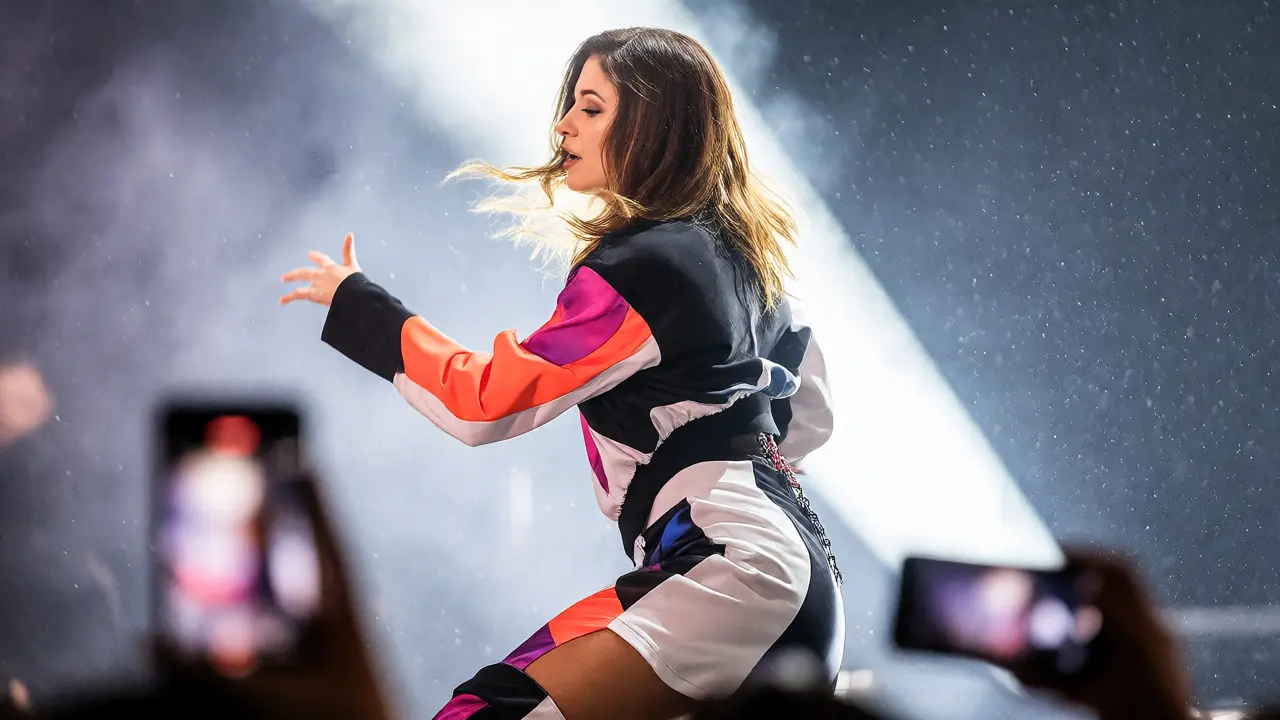
Touring with a superstar comes with its own set of challenges. You’re not just performing; you’re managing expectations. Will Smith’s fanbase spans generations. Some attendees were there for 'Men in Black' nostalgia, others for 'Gettin' Jiggy Wit It.' Alli Starr had to bridge that gap without alienating either group.
She did this by blending her modern production style with recognizable musical structures. Her tracks often feature catchy hooks and rhythmic patterns that resonate with older audiences familiar with classic R&B, while the lyrics speak to Gen Z sensibilities. This dual appeal is crucial when sharing a stage with an artist whose relevance has lasted thirty years.
Moreover, the logistical support provided by a major tour infrastructure is invaluable. From high-end sound engineering to professional lighting rigs, these resources allow emerging artists to deliver a polished show they might not afford independently. Starr utilized this access to elevate her live reputation, proving she could hold her own against industry giants.

Building Long-Term Brand Equity
A tour ends, but the brand remains. The critical question for any artist post-tour is retention. How do you keep the fans who discovered you? Alli Starr focused on community building rather than just broadcasting. She responded to comments, hosted live Q&A sessions, and released exclusive behind-the-scenes footage from the tour.
This personal touch fosters loyalty. Fans feel invested in your journey because they saw you struggle and succeed in real-time. By maintaining this connection, Starr converted temporary interest into long-term engagement. Her email list grew significantly, providing a direct line to fans unaffected by algorithm changes.
Additionally, the association with Will Smith added prestige to her portfolio. Booking agents and festival organizers view tour support credits as a stamp of approval. It signals professionalism and marketability. For Starr, this opened doors to higher-tier festivals and collaborative opportunities with established producers.
Lessons for Emerging Artists
You don't need to be signed to a major label to benefit from strategic partnerships. Alli Starr’s case proves that preparation meets opportunity. Here are actionable takeaways for musicians looking to replicate this success:
- Know Your Audience Fit: Ensure your music complements the headliner’s vibe without copying it.
- Maximize Digital Footprint: Plan content creation before the tour starts, not during.
- Engage Personally: Use downtime to connect with fans and fellow artists.
- Analyze Data: Track which cities and demographics respond best to tailor future promotions.
The music industry rewards those who treat their art as a business and their business as an art form. Alli Starr balanced both effectively, turning a support slot into a launchpad for global recognition.
How did Alli Starr get selected for Will Smith’s tour?
While exact selection details are often private, reports suggest a combination of prior collaborations, strong digital metrics, and mutual artistic respect. Will Smith’s team likely identified Starr’s growing traction on streaming platforms and her ability to engage younger demographics, making her a strategic choice to broaden the tour's appeal.
Did the tour impact Alli Starr’s album sales?
Yes, there was a noticeable uptick in album and single purchases following the tour. Physical vinyl sales, in particular, saw a surge as fans sought tangible connections to the artist they discovered live. Merchandise bundles including albums also performed well.
What are the risks of supporting a major artist?
The primary risk is overshadowing. If the opening act fails to distinguish itself, it may be forgotten once the headliner takes the stage. Additionally, high-pressure environments can lead to burnout if the artist isn't prepared for the rigorous travel schedule and performance demands.
How does touring affect streaming algorithms?
Touring generates spikes in searches and saves, which signal to algorithms like Spotify’s Discover Weekly that an artist is gaining momentum. Consistent activity during the tour helps maintain these rankings, leading to sustained organic growth even after the events conclude.
Can independent artists replicate this level of exposure?
Absolutely. While securing a spot on a massive tour is difficult, independent artists can leverage regional festivals, collaborative tours with mid-tier artists, and aggressive social media campaigns to achieve similar visibility. The key is consistent quality and smart networking.