Imagine you’re at a concert. The lights are blinding, the bass is shaking your ribs, and the crowd is packed tight against the barricade. For most people, this is pure joy. But for someone with sensory processing disorder, epilepsy, or mobility issues, it can be an immediate trigger for panic or pain. This is where Alli Starr’s approach to inclusive stage design changes the game. It isn’t just about adding a ramp; it’s about rethinking the entire sensory and physical experience of live music.
You might wonder why this matters now more than ever. Post-pandemic, audiences are hungrier for connection but also more aware of their boundaries. Artists like Alli Starr aren’t just performing; they’re curating environments. If you’re a producer, an artist, or just a fan who wants shows to feel better for everyone, understanding these principles is crucial. We’re going to break down how inclusive design works in practice, what specific adjustments make a difference, and why this trend is reshaping venues from Portland to New York.
Rethinking Sensory Load
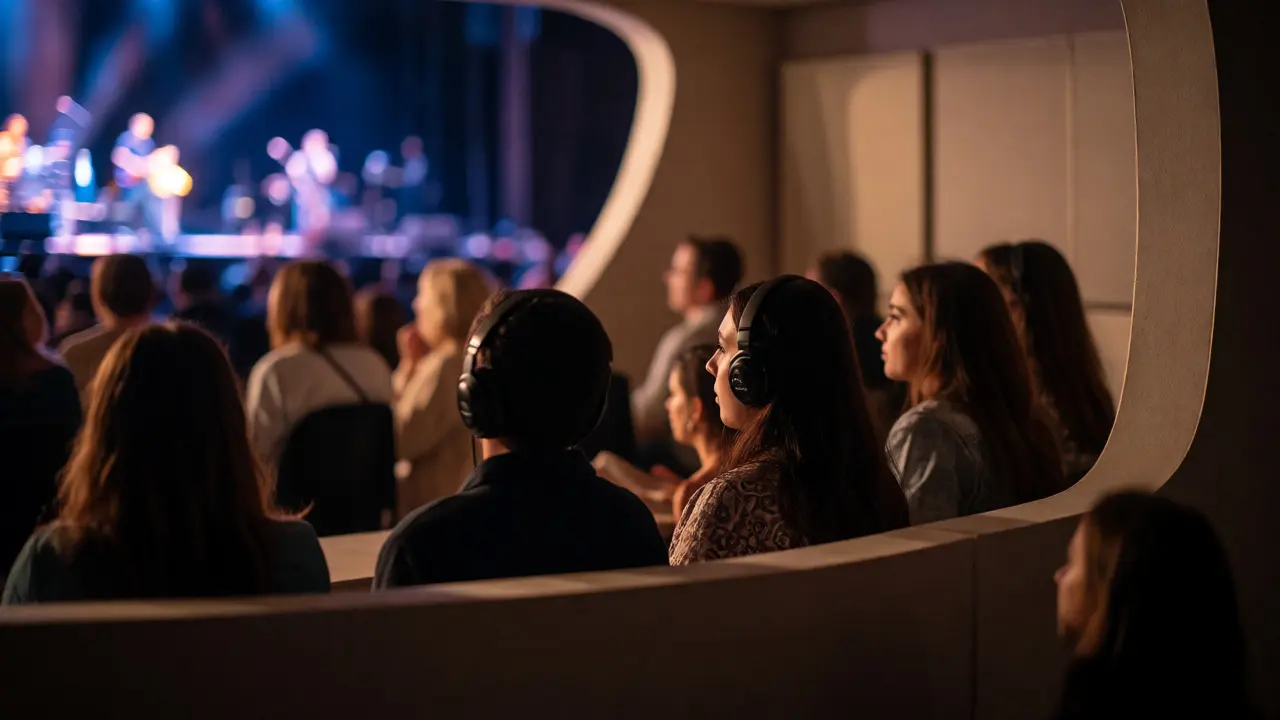
Most stage designs prioritize visual spectacle. Think strobe lights, pyrotechnics, and wall-of-sound audio mixes. While impressive, these elements create high sensory load. For neurodivergent attendees, particularly those on the autism spectrum or with ADHD, unregulated sensory input leads to shutdowns. Alli Starr’s productions often feature "sensory-friendly zones" that aren’t just afterthoughts tucked behind a bathroom stall. They are integrated into the main floor layout.
How does this work technically? Instead of uniform lighting, designers use dimmable LED arrays that allow for real-time adjustment based on the song’s intensity. Audio engineers employ dynamic range compression not just for mix consistency, but to prevent sudden, jarring volume spikes that can cause auditory distress. It’s a subtle shift. You don’t notice the lack of chaos until you realize you can actually hear the lyrics without covering your ears. This balance ensures that the emotional impact of the music remains intact while reducing physiological stress.
Physical Access Beyond Compliance
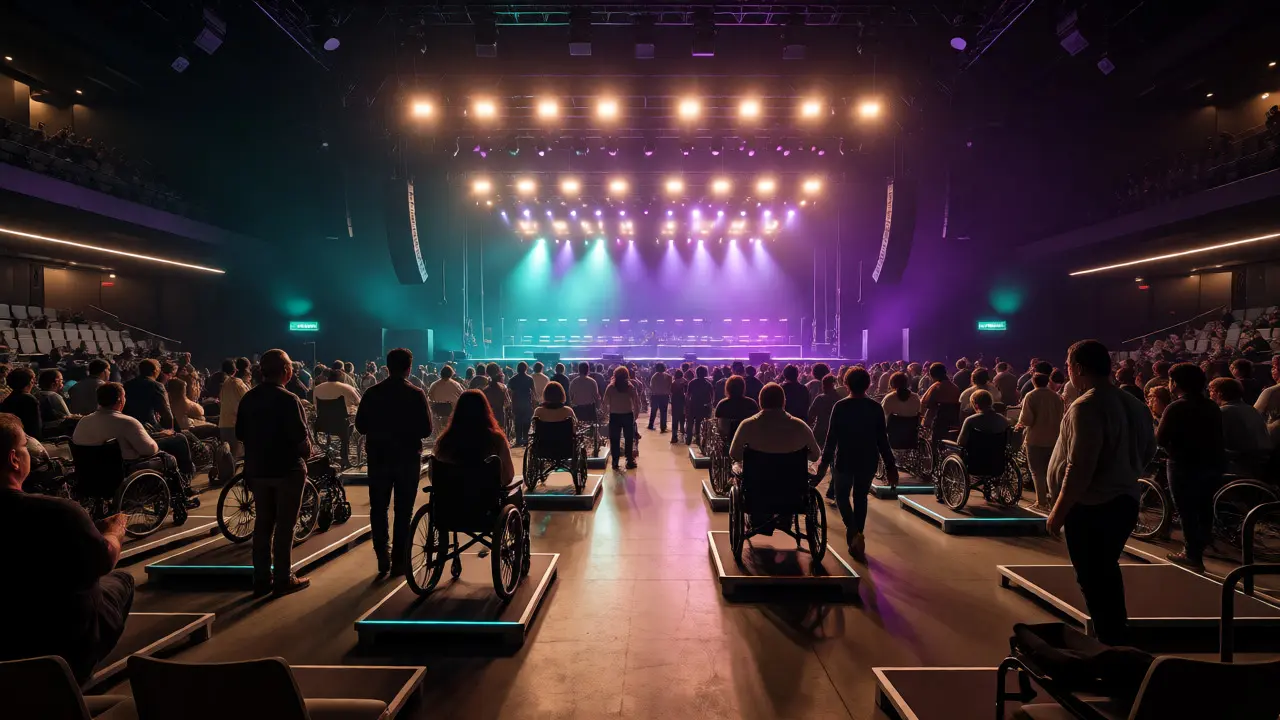
Legal compliance usually means meeting minimum ADA (Americans with Disabilities Act) standards. That’s the floor, not the ceiling. True inclusivity looks at flow and dignity. Traditional accessible seating is often isolated at the back or side, creating a sense of exclusion. Alli Starr’s team advocates for dispersed accessible viewing platforms. These are raised sections integrated throughout the venue, allowing wheelchair users to stand shoulder-to-shoulder with standing friends.
This requires structural creativity. Portable risers with non-slip surfaces and secure handrails become standard equipment rather than rental add-ons. Pathways are widened to accommodate power chairs, which are bulkier than manual wheelchairs. Signage uses high-contrast colors and large fonts, aiding those with low vision. By treating physical access as part of the aesthetic design-using materials that match the stage decor-the separation between "accessible" and "standard" seating disappears. No one feels like they’re watching the show from a separate category.
Communication and Predictability
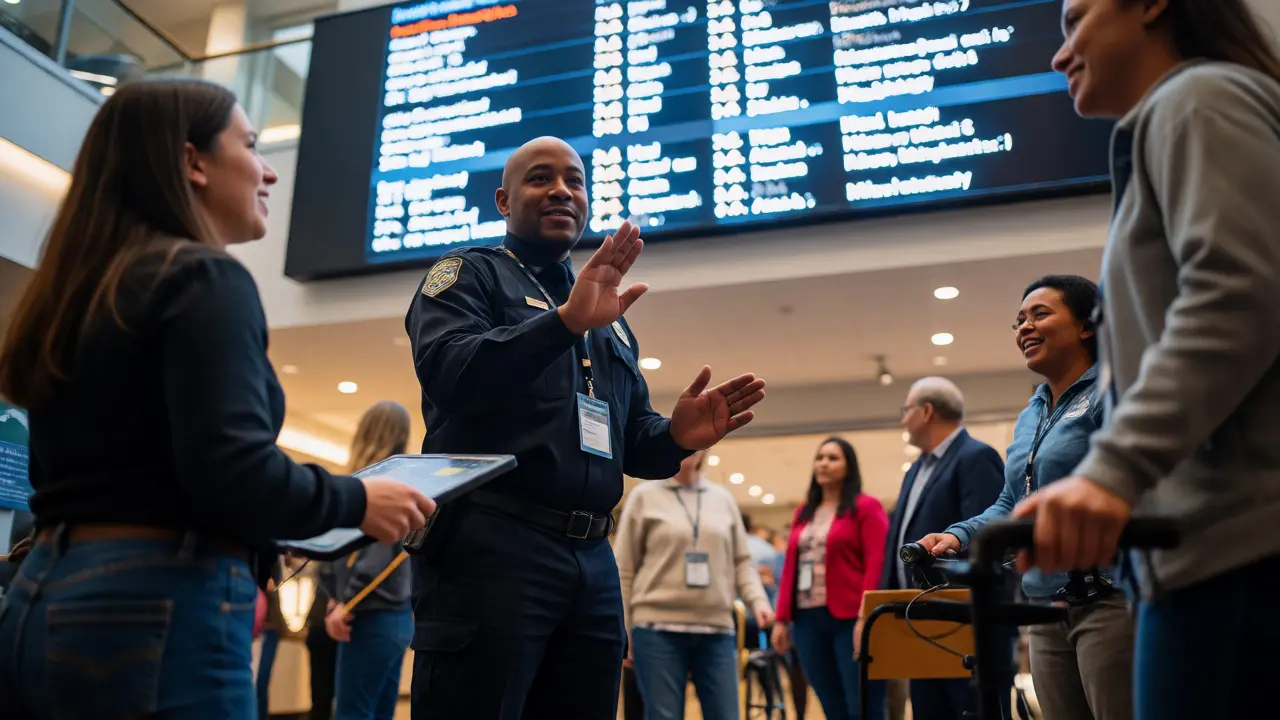
Anxiety in live settings often stems from unpredictability. Will there be loud noises? Is the exit blocked? Clear communication reduces cognitive load. Pre-show emails and social media posts now include detailed guides on what to expect: decibel levels, lighting effects, and setlist themes. At the venue, digital signage provides real-time updates on queue times and facility locations.
Staff training is equally critical. Ushers and security personnel undergo sensitivity training to recognize signs of distress versus rowdiness. They know how to guide someone out of a crowded space without shouting over the PA system. Handheld communication boards or simple gesture protocols help staff interact with deaf or hard-of-hearing attendees without relying solely on lip-reading, which fails in poor lighting. This human element turns a potentially overwhelming environment into a supportive community space.
The Economic Case for Inclusivity
Skeptics argue that inclusive design costs too much. Let’s look at the numbers. The disability community represents a significant market segment with substantial disposable income, often referred to as the "purple pound" or similar metrics globally. When venues remove barriers, they unlock this revenue stream. Families with disabled members often travel together; if one person can’t attend, the whole family stays home.
Moreover, inclusive features benefit everyone. Parents with strollers appreciate wider aisles. Older fans value clear sightlines and lower volume levels. Touring musicians benefit from reduced liability risks and positive press coverage. Brands associated with accessibility see higher engagement rates on social media. It’s a win-win scenario where ethical choices align with financial health. Venues that adopt these practices early gain a competitive edge in attracting diverse crowds.
Implementation Checklist for Producers
If you’re planning a tour or event, here’s a practical starting point. Don’t try to overhaul everything at once. Start with high-impact, low-cost changes.
- Audit Sightlines: Ensure no pillar or equipment blocks views for seated attendees.
- Lighting Review: Limit strobe frequencies and offer warnings for photosensitive triggers.
- Audio Calibration: Test sound pressure levels in all seating areas, not just center floor.
- Staff Briefing: Train front-line workers on basic sign language and de-escalation techniques.
- Digital Info: Publish accessibility maps online before ticket sales open.
| Feature | Standard Approach | Inclusive Approach (Alli Starr Style) |
|---|---|---|
| Seating | Isolated wheelchair spots at rear | Dispersed integrated platforms |
| Lighting | Fixed strobes and dark blues | Dimmable, warm-tone adjustable LEDs |
| Audio | Maximized volume for energy | Balanced mix with earplug availability |
| Signage | Small print, low contrast | Large font, high contrast, tactile options |
FAQ
What exactly is inclusive stage design?
Inclusive stage design is the practice of creating performance environments that accommodate people with various disabilities and needs. This includes physical accessibility for mobility aids, sensory accommodations for neurodivergent individuals, and clear communication strategies for those with hearing or visual impairments. It goes beyond legal compliance to ensure all attendees have an equal and enjoyable experience.
Why is Alli Starr mentioned specifically?
Alli Starr is highlighted as a case study because her recent tours have been praised for implementing proactive accessibility measures. Her team integrates sensory-friendly zones and dispersed seating, setting a benchmark for how modern artists can lead by example in creating safer, more welcoming concert experiences.
Does lowering volume ruin the concert vibe?
Not necessarily. Modern audio technology allows for high-fidelity sound at moderate volumes. Dynamic range control helps maintain punch and clarity without excessive loudness. Many attendees report that they enjoy concerts more when they can hear the nuances of the music without physical discomfort or tinnitus ringing afterward.
How do I find accessible tickets for upcoming shows?
Check the venue’s website under "Accessibility" or "Services." Look for specific terms like "wheelchair-accessible," "companion seating," or "sensory-friendly." Contacting the box office directly is often the best way to secure specific accommodations, as online systems sometimes mislabel seats.
Are sensory-friendly zones only for autistic people?
No. While designed with autism in mind, these zones benefit anyone sensitive to noise, light, or crowds. This includes veterans with PTSD, individuals with anxiety disorders, elderly attendees, and parents with young children. The quiet, controlled environment offers a necessary respite for many different groups.