Most artists treat their live shows as a single event: sell tickets, play songs, go home. But Alli Starr is a music entrepreneur and producer who redefined how independent artists approach live performance by treating it as a scalable product ecosystem rather than a one-off concert. Her approach isn't just about better sound or lighting; it's about creating a repeatable, profitable framework that grows with the audience. If you're struggling to turn your gigs into a sustainable business, Starr’s model offers a blueprint that moves beyond the stage.
The Core Problem: Why Most Live Shows Fail to Scale
The biggest trap in the music industry is the "gig economy" mindset. You book a venue, spend money on travel and equipment, and hope the ticket sales cover the costs. Often, they don't. The margin is razor-thin, and if you miss one show due to weather or illness, you lose everything. This lack of resilience keeps many talented musicians stuck in a cycle of burnout and financial instability.
Scalable Live Concepts is a strategic framework that decouples revenue from physical attendance alone, allowing artists to generate income through multiple streams during and after a live event. It requires shifting your perspective from being a performer to being a product owner. Instead of asking, "Will people come to my show?" you ask, "What value can I deliver to this audience before, during, and after they see me perform?"
Analyzing Alli Starr’s Strategic Framework
Alli Starr’s strategy relies on three pillars: Pre-Show Engagement, Immersive Experience Design, and Post-Show Monetization. Each pillar addresses a specific gap in traditional live music marketing.
- Pre-Show Engagement: Starr treats the weeks leading up to a show as part of the product. She uses exclusive content drops, behind-the-scenes videos, and interactive polls on social media to build anticipation. This isn't just promotion; it's community building. By the time fans arrive, they feel like insiders, not just customers.
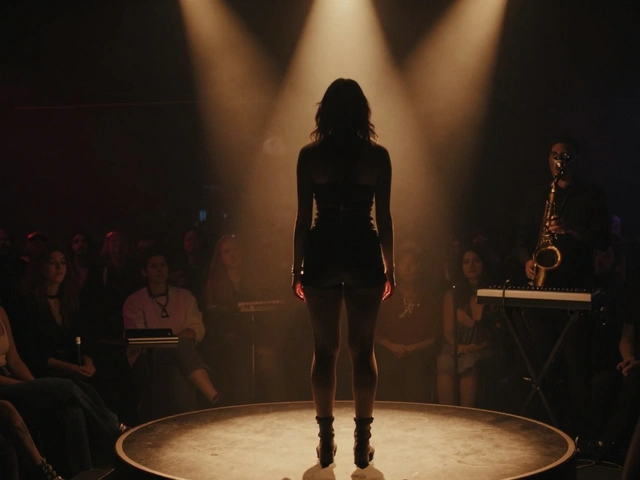
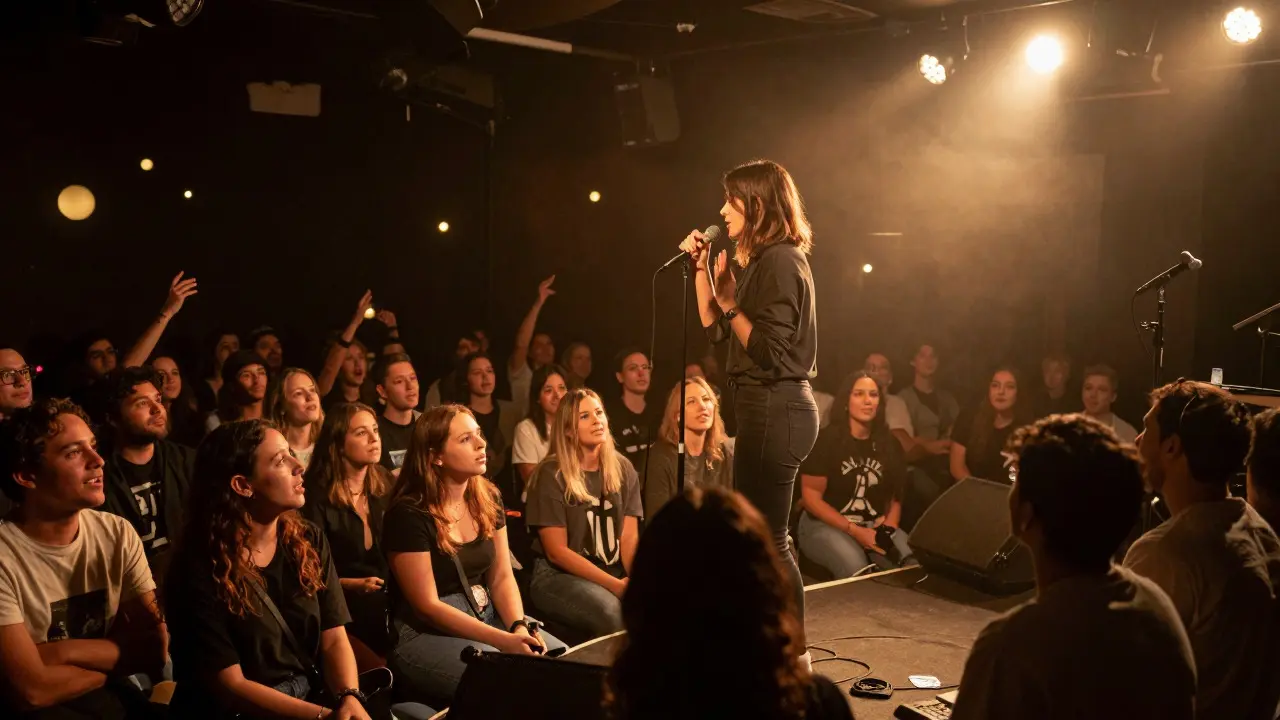
- Immersive Experience Design: The show itself is designed for shareability. Starr integrates visual storytelling, audience participation elements, and unique setlists that differ from her recorded albums. This creates "FOMO" (Fear Of Missing Out) because the live experience is distinct from streaming her music at home.
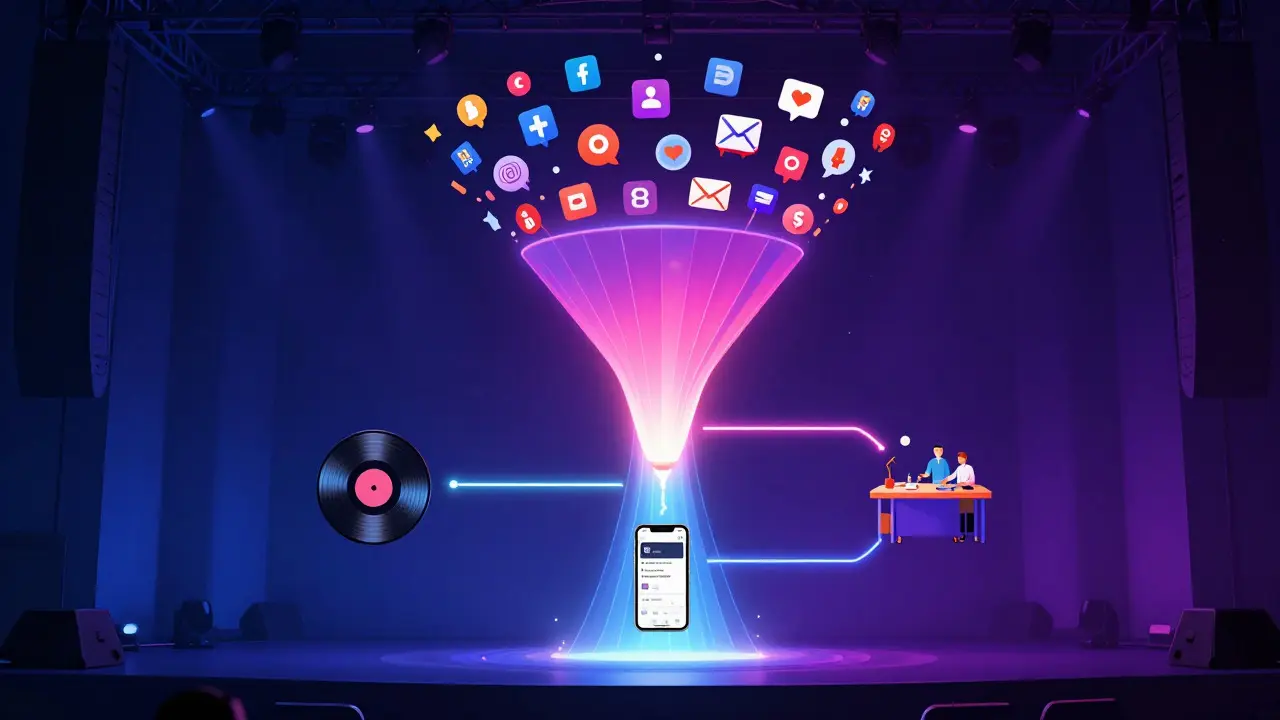
- Post-Show Monetization: This is where the real scalability kicks in. After the show, fans aren't sent away empty-handed. They are directed toward digital merchandise, extended audio tracks, or upcoming workshop series. The live show acts as the top-of-funnel entry point for a broader revenue stream.
Building Your Own Scalable Model: Step-by-Step
You don't need to be a superstar to implement these tactics. Here is how you can adapt Starr’s strategy to your current scale, whether you're playing local bars or mid-sized clubs.
1. Define Your Unique Live Value Proposition
Why should someone pay $20 to see you live when they can listen to you for free on Spotify? Your answer must be concrete. Is it an acoustic unplugged session? A dance party with specific choreography? An educational component where you explain songwriting techniques? Document this clearly. If your live offer doesn't solve a specific problem or provide a unique emotional benefit, it won't scale.
2. Create a Multi-Tier Ticketing Structure
Standard pricing leaves money on the table. Implement tiered tickets:
- General Admission: Standard access.
- Premium Access: Includes a limited-edition digital download or early entry.
- VIP Experience: Includes a meet-and-greet, signed poster, or backstage tour.
3. Integrate Digital Touchpoints
Use QR codes on stage or in the program to link directly to your email list signup, merch store, or next show booking page. Capture data at the point of highest engagement. A fan standing in front of you is ten times more likely to convert than someone scrolling past your ad online.
Comparing Traditional vs. Scalable Approaches
To understand the impact of this shift, look at the difference in resource allocation and revenue potential between the two models.
| Feature | Traditional Gig Model | Alli Starr’s Scalable Model |
|---|---|---|
| Primary Revenue Source | Ticket Sales Only | Tickets + Merch + Digital Products + Data |
| Audience Relationship | Transactional (One-time) | Relational (Ongoing Community) |
| Marketing Focus | Last-minute Promotion | Long-term Narrative Building |
| Risk Factor | High (Dependent on Attendance) | Moderate (Diversified Income Streams) |
| Scalability Potential | Low (Limited by Venue Capacity) | High (Digital Reach Extends Beyond Venue) |
Common Pitfalls to Avoid
Even with a solid strategy, execution errors can kill momentum. Watch out for these common mistakes:
- Overcomplicating the Tech: You don't need expensive software. Simple tools like Mailchimp for emails and Linktree for links are sufficient to start. Complexity slows down adoption.
- Ignoring Local Partnerships: Collaborate with local brands, cafes, or influencers. Cross-promotion expands your reach without increasing ad spend.
- Failing to Measure ROI: Track which channels drive ticket sales. If Instagram stories bring 80% of your buyers, double down there instead of spreading effort thinly across all platforms.
Tools and Resources for Implementation
To execute this strategy effectively, you need the right toolkit. You don't need enterprise-level software, but you do need reliable platforms that integrate well together.
- Email Marketing: Use platforms like ConvertKit or Mailchimp to segment your audience based on purchase history.
- Social Media Management: Tools like Buffer or Hootsuite help schedule consistent pre-show content.
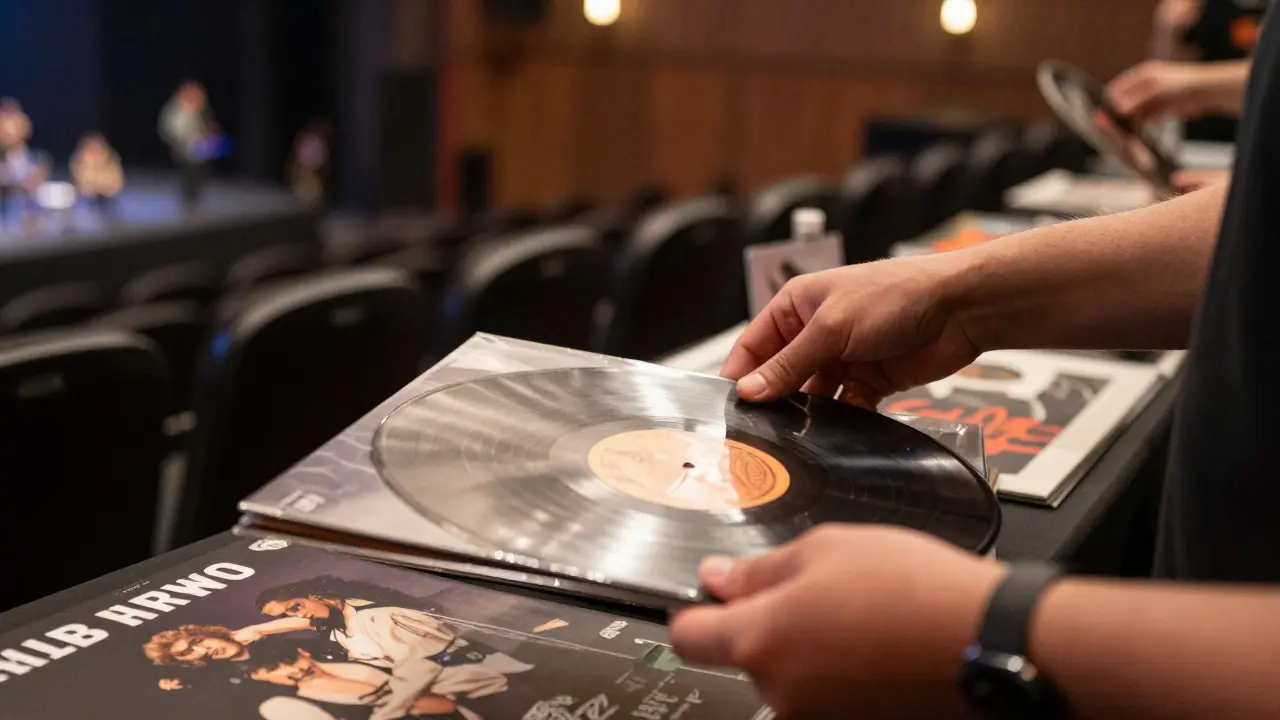
- Merchandise Fulfillment: Consider print-on-demand services like Printful to avoid inventory risk while offering physical goods.
- Analytics: Google Analytics combined with social media insights will tell you what content resonates most.
Case Study: From Local Bar to Sold-Out Hall
Consider the trajectory of a fictional indie folk duo, "The Riverbeds," who adopted a similar strategy. Initially, they played small venues with average attendance of 50 people. Their revenue was barely covering travel costs. After implementing a pre-show newsletter series where they shared song origins, they saw a 40% increase in email subscribers. They introduced a "VIP Bundle" that included a vinyl record and a personalized video message. Within six months, their average attendance doubled, and 30% of their total revenue came from post-show digital sales. The key wasn't just better music; it was a better system around the music.
Future-Proofing Your Live Career
The live music landscape is evolving rapidly. With virtual reality concerts and AI-generated sets becoming more common, the human element becomes even more valuable. By focusing on community and unique experiences, you create a moat that technology can't easily replicate. Fans crave connection. They want to feel part of something bigger than a transaction. When you position your live shows as a community hub rather than just a performance, you build loyalty that lasts decades, not just nights.
Start small. Pick one pillar from Starr’s framework-maybe just the pre-show engagement-and test it at your next gig. Measure the results. Adjust. Then add the next piece. Scalability isn't about doing everything at once; it's about building a foundation that supports growth over time.
Do I need a large following to use a scalable live concept?
No. In fact, smaller audiences often have higher engagement rates. You can implement tiered tickets and email capture strategies with as few as 50 attendees. The key is consistency in delivering value, not the size of the crowd.
How much does it cost to implement these strategies?
Minimal upfront cost. Most tools have free tiers. The main investment is time spent creating content and setting up systems. As your revenue grows, you can reinvest in better tools or paid advertising.
What if my genre doesn't lend itself to immersive experiences?
Every genre has a unique angle. Classical musicians can offer educational talks; rappers can host open mics; jazz bands can feature guest improvisations. The goal is to find what makes your specific art form special and highlight it in the live context.
How do I measure the success of a scalable live concept?
Track metrics beyond ticket sales. Monitor email list growth, social media engagement rates, merchandise conversion rates, and customer lifetime value. If your total revenue per attendee increases over time, your strategy is working.
Can this strategy work for solo artists?
Yes, absolutely. Solo artists often have stronger personal connections with fans. You can leverage this by offering more intimate VIP experiences, such as one-on-one Q&As or custom song dedications, which are highly valued by dedicated followers.