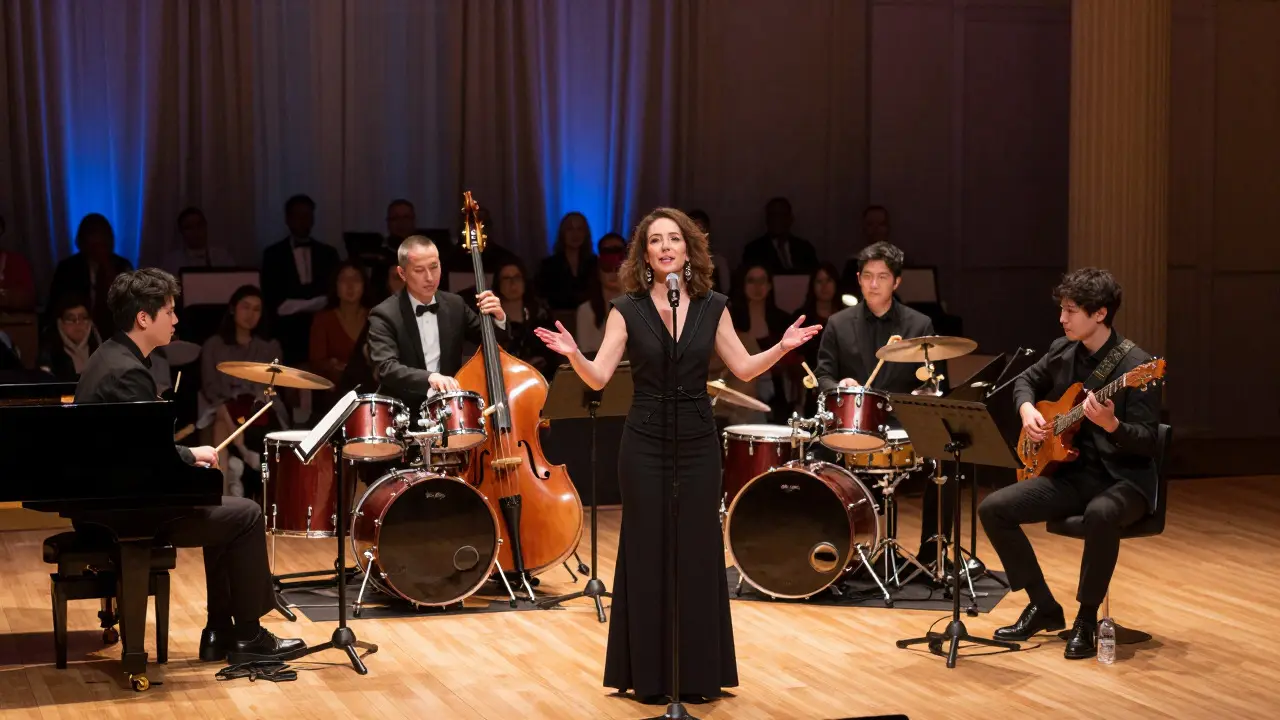
Most people think karaoke is just singing along to a recording. But in high-end live venues, it’s a complex performance dynamic that requires tight synchronization between the vocalist and the backing musicians. When the band plays over a track, every mistake by the singer becomes audible, and every hesitation from the band breaks the spell. This is where Alli Starr, a renowned vocal coach and session musician based in Portland, Oregon, changes the game. Her approach to house band training focuses on creating a safety net for singers so they can focus on emotion rather than technical survival.
The Core Philosophy of Live Karaoke Support
Traditional bands often treat karaoke as a gig where they just play the chords. Alli’s method treats it as a collaborative duet. The primary goal isn’t to showcase the band’s virtuosity, but to elevate the singer’s confidence. If a singer is off-key, the band shouldn’t correct them aggressively; instead, they should provide a harmonic cushion that makes the error less jarring. This requires a specific set of skills distinct from standard pop or rock performance.
- Dynamic Control: Playing softer when the singer is struggling with breath control.
- Rhythmic Flexibility: Stretching time slightly if the singer takes a dramatic pause.
- Harmonic Awareness: Knowing which chords support a wide range of vocal interpretations.
Alli Starr’s Three-Phase Rehearsal Protocol
Alli doesn’t start rehearsals with the full song. She breaks down the process into three distinct phases that ensure both the band and the potential singers are prepared. This protocol is designed to reduce anxiety and improve consistency across different vocalists.
- Phase 1: The Skeleton Track Analysis
Before anyone picks up an instrument, the band listens to the reference track without playing. They identify the "vocal anchor points"-specific moments where the melody shifts significantly or where the rhythm changes. These are the danger zones where singers tend to stumble. The band marks these sections in their charts with visual cues, not just chord symbols.
- Phase 2: The Silent Count-In Drill
This is the most critical part of Alli’s standards. Singers often rush into the first note. To counter this, the band practices counting in silently while playing only the last two bars of the intro. This forces the drummer to lock in with the singer’s internal pulse rather than the click track. It builds a muscle memory for waiting, which is rare among instrumentalists who are used to driving the tempo.
- Phase 3: The Error Correction Simulation
In the final phase, the band intentionally introduces small mistakes. The drummer might drop a beat, or the bassist might miss a transition. The other members must react instantly to cover for the error without stopping the flow. This simulates real-world conditions where things go wrong, ensuring the band remains a stable platform regardless of what happens on stage.
Instrument-Specific Adjustments for Vocalists
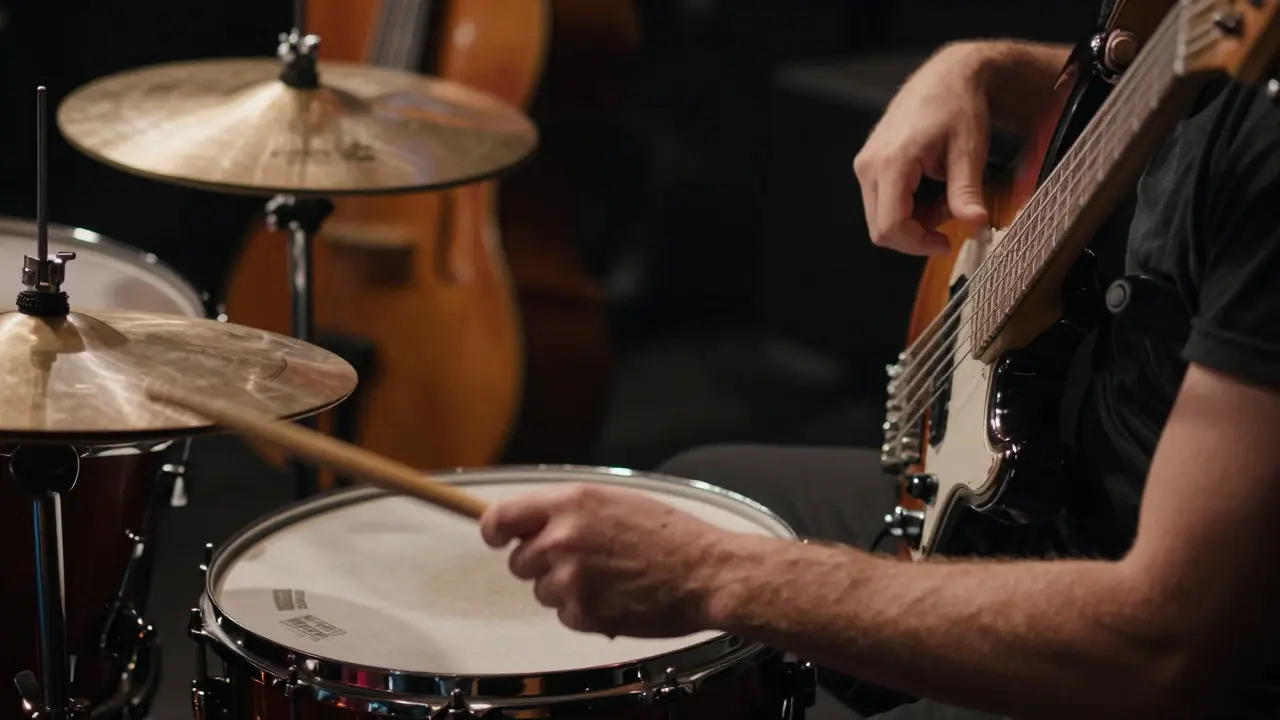
Not all instruments serve the same purpose in a karaoke setting. Alli assigns specific roles to each member of the house band to create a balanced sonic environment. Here is how she structures the instrumentation:
| Instrument | Primary Role | Key Technique |
|---|---|---|
| Piano/Keys | Harmonic Foundation | Playing open voicings to leave space for the voice |
| Bass Guitar | Rhythmic Anchor | Locking with the kick drum, avoiding melodic runs |
| Drums | Tempo Keeper | Using ghost notes to maintain groove without overpowering |
| Guitar | Texture Provider | Strumming patterns that complement, not compete, with vocals |
The piano player acts as the conductor in many ways. Because they can hear the harmony clearly, they often cue the transitions. The bassist must resist the urge to show off; their job is to keep the low end steady so the singer feels grounded. The drummer is the most important role, as they control the energy. A good karaoke drummer knows when to push the crowd and when to pull back to let the singer breathe.
Managing Singer Anxiety Through Band Interaction
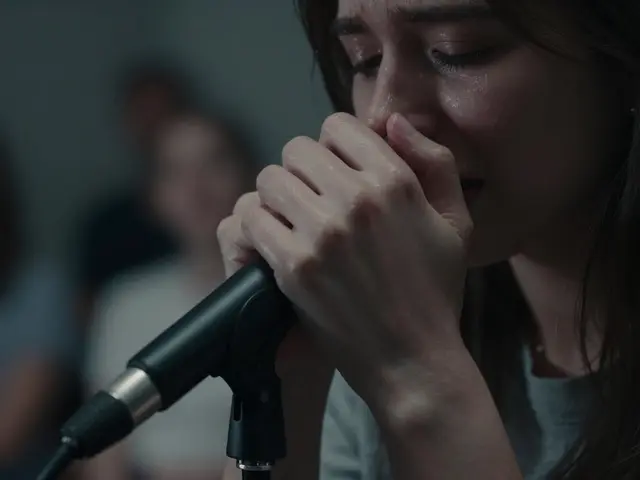
Technical skill is only half the battle. The other half is psychological. Many first-time karaoke singers freeze because they feel exposed. Alli trains her band to use non-verbal cues to reassure performers. Eye contact from the band members signals that everything is under control. Nods from the guitarist encourage the singer to continue through a difficult phrase. These subtle interactions create a sense of partnership rather than audience scrutiny.
Additionally, the band learns to adapt to different vocal styles. A powerful belter needs a fuller sound, while a soft ballad singer needs a stripped-back arrangement. The band must be able to switch between these modes within seconds, often without a break. This agility is what separates a professional house band from a group of friends playing together.

Common Pitfalls in Amateur Karaoke Bands
If you’re building your own house band, avoid these common mistakes that Alli frequently sees in local venues:
- Overplaying: Adding too many fills or solos during verses. Keep it simple.
- Ignoring the Mic Check: Failing to listen to the singer’s volume levels relative to the band. The mix must be monitored constantly.
- Rigid Tempo: Sticking strictly to the click track even when the singer drags. Flexibility is key.
- Lack of Communication: Not having a pre-set signal system for intros and outros.
Building a Repertoire That Works for Everyone
Finally, the choice of songs matters. Alli recommends curating a list of tracks that have clear, consistent tempos and predictable structures. Avoid songs with abrupt key changes or complex rhythmic shifts unless you are dealing with advanced vocalists. The goal is to make the experience enjoyable for the singer, not to test their limits. A well-rehearsed band can make any song sound effortless, turning a nervous participant into a confident performer.