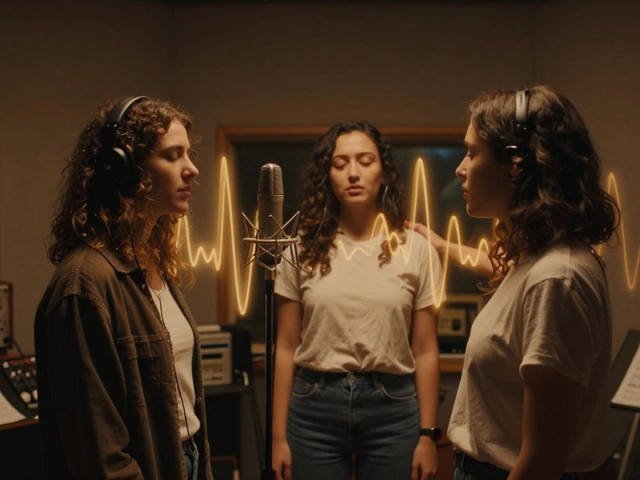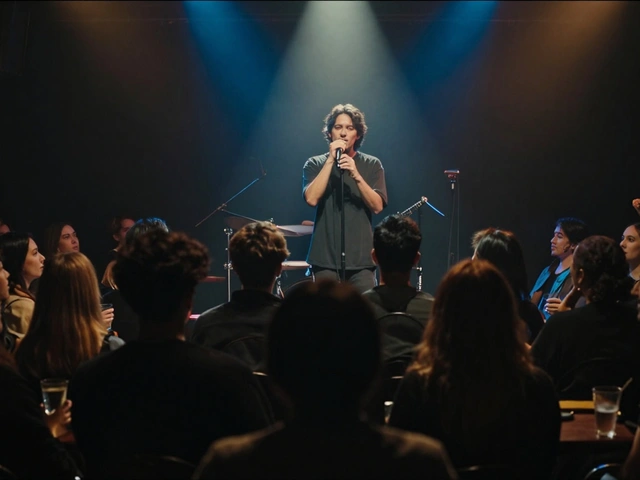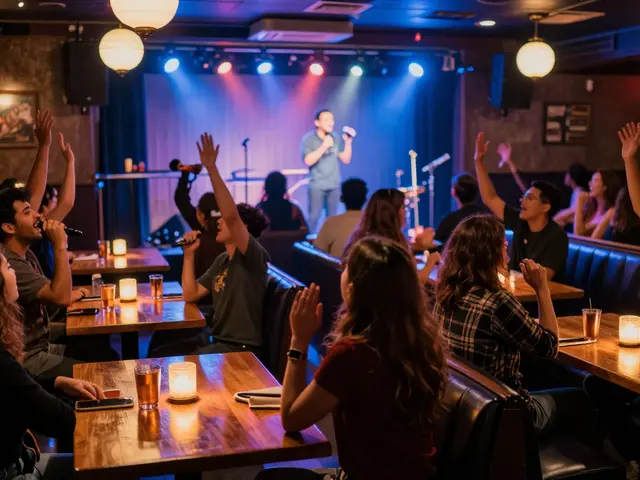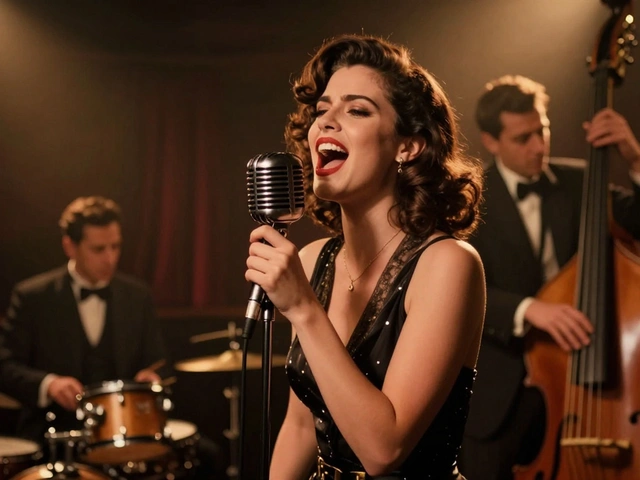
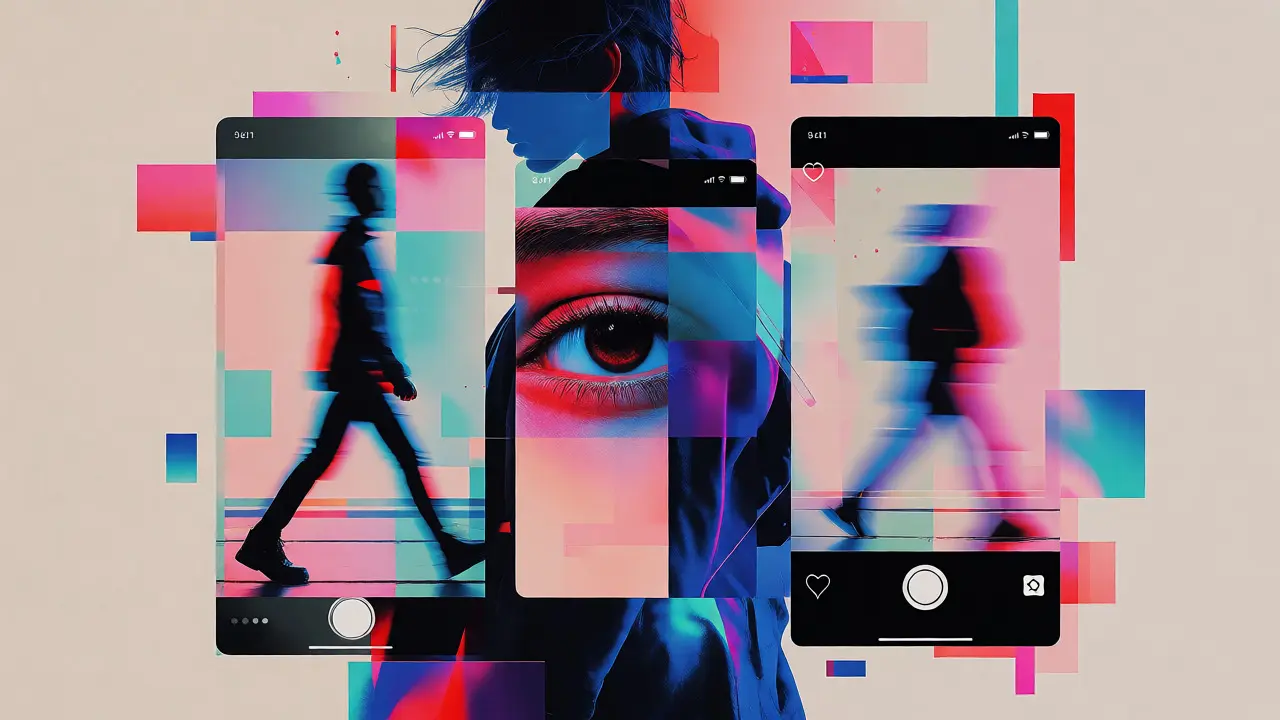
You know that feeling when you scroll past a video on your feed and just stop? You don’t even hear the audio yet, but something about the color grading or the way the light hits the subject makes you pause. That is exactly what happened with Alli Starr’s track "More." It wasn't just a song drop; it was a visual event. The conversation didn't start in the comments section about the lyrics-it started with screenshots shared on Instagram Stories and TikTok duets analyzing specific frames.
This isn't accidental. In an era where attention spans are measured in seconds, the visual component of music has become as critical as the melody itself. But why did this specific project resonate so deeply? We need to look beyond the surface-level praise and dissect the mechanics of how Alli Starr’s aesthetic choices triggered such a massive wave of audience reception. It’s about understanding the shift from passive listening to active visual consumption.
The Power of Aesthetic Cohesion in Digital Media
Alli Starr operates within a niche of modern R&B and pop that relies heavily on atmospheric production. However, her visual strategy for "More" took this a step further by creating a cohesive aesthetic universe rather than just a standard music video. This concept, often referred to as visual storytelling in music marketing, involves aligning every pixel-from the cover art to the behind-the-scenes clips-with a singular emotional tone.
When audiences encounter this level of consistency, their brains register it as high-quality curation. They trust the artist more because the presentation feels intentional. For "More," the use of muted pastels contrasted with sharp, neon accents created a visual tension that mirrored the song’s lyrical themes of desire and restraint. Viewers weren't just watching a video; they were decoding a mood board that invited them to participate in the narrative.
Why Visual Storytelling Drives Engagement Metrics
Let’s talk numbers for a second. Data from recent social media trends shows that videos with strong visual hooks retain viewers up to 40% longer than those without. But retention is only half the battle. The real win is shareability. People share things that make them look cool or that express a vibe they can’t articulate themselves. Alli Starr’s visuals provided that shorthand.
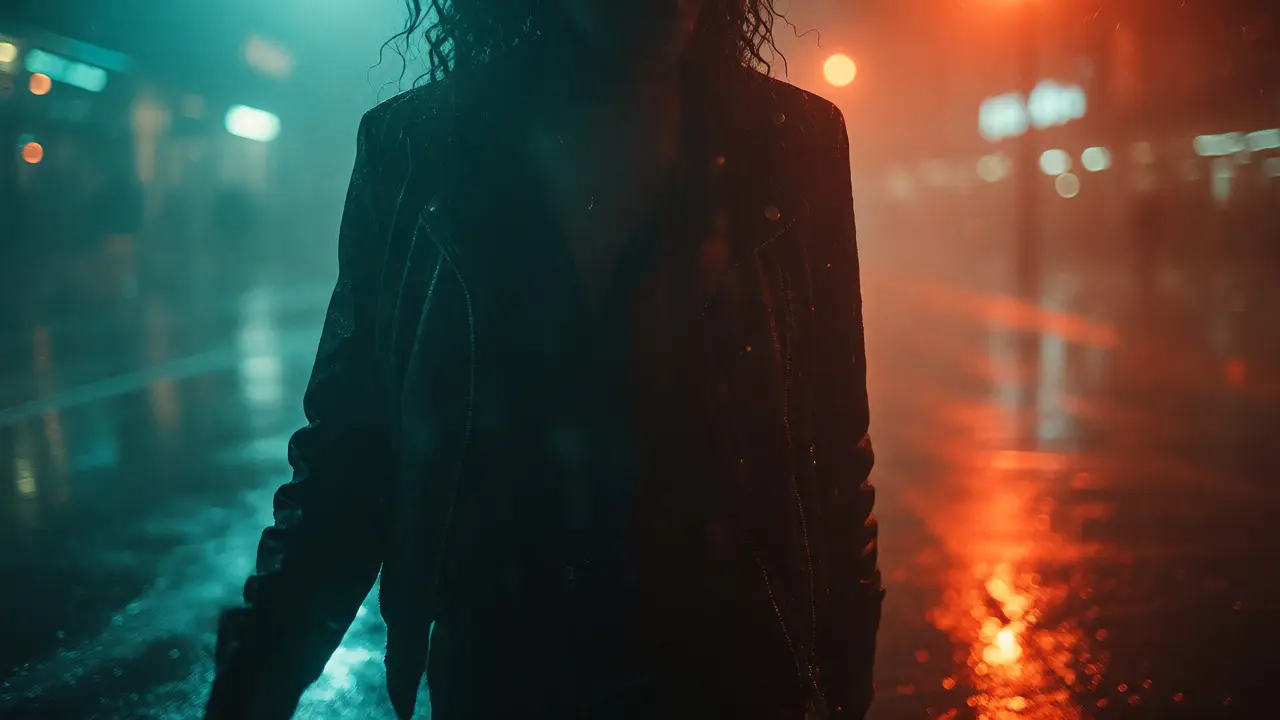
Consider the platform dynamics. On TikTok, users often use snippets of songs to create their own content. If the original visual is too chaotic or unclear, it doesn't lend itself well to remixing. "More" featured distinct, iconic shots-like the slow-motion walk through rain-slicked streets-that became templates for user-generated content. This turned the audience into marketers. Every time someone recreated a scene, they reinforced the brand identity of the song.
Decoding the Color Palette and Lighting Choices
You might wonder if all this focus on lighting is overrated. Is it really that important? Absolutely. Color psychology plays a huge role in how we perceive emotion. The director of photography for "More" utilized a technique called split-tone grading, where shadows lean towards teal and highlights push towards orange. This creates a cinematic depth that feels expensive and immersive.
Moreover, the lighting wasn't just functional; it was narrative. Shadows obscured parts of the face during moments of introspection, while bright, direct light flooded the frame during choruses. This subconsciously guided the viewer’s emotional journey. Audiences picked up on this immediately, commenting on how the video "felt like a dream" or "hit different." These aren't vague compliments; they are reactions to precise technical execution.
The Role of Authenticity in Modern Music Videos
Gone are the days of polished, studio-perfect productions that feel sterile. Today’s audience craves authenticity, even if it’s stylized. Alli Starr leaned into a raw, almost documentary-style approach in certain cuts of the video. Handheld camera movements added a sense of urgency and intimacy. It felt less like a performance and more like a glimpse into a private moment.
This balance between high-concept styling and raw energy is tricky to pull off. Too much polish, and you lose the connection. Too much grit, and it looks amateurish. "More" hit the sweet spot. Fans appreciated the imperfections-the slight blur, the natural grain-because it made the artist feel accessible. It sparked conversations about vulnerability in public figures, showing that audiences are ready to engage with artists who show their human side.
Comparing Traditional vs. Viral-First Visual Strategies
To understand why this worked, it helps to compare it against traditional models. Old-school music videos were designed for MTV rotation: big sets, choreography, and clear narrative arcs. Viral-first strategies, like the one used for "More," prioritize short, impactful loops and aesthetic flexibility.
| Feature | Traditional Video Model | Viral-First Model (e.g., 'More') |
|---|---|---|
| Primary Goal | Broad TV/Radio Appeal | Social Media Shareability |
| Narrative Structure | Linear Storyline | Abstract/Mood-Based |
| Production Style | High Budget, Studio Setups | Stylized, Location-Based |
| Audience Interaction | Passive Viewing | Active Remixing/Duetting |
| Lifespan | Long-term Catalog Value | Rapid Peak, High Initial Impact |
The table above highlights why newer artists are pivoting toward the right column. While traditional models still have value for legacy acts, emerging talent benefits massively from the immediate feedback loop of social platforms. The "More" campaign leveraged this by releasing teaser clips that were specifically edited for vertical viewing, ensuring they looked native on mobile screens before the full video even dropped.
Community Building Through Visual Language
One of the most fascinating aspects of the reception was how fans began to develop their own language around the visuals. Emojis associated with the song shifted from generic hearts to specific combinations like 🌧️✨💙. This symbolic adoption signals deep community bonding. When a group of people shares a visual code, they feel part of an inner circle.
Alli Starr’s team recognized this early on. They engaged with these fan interpretations directly, reposting edits and acknowledging specific scenes. This two-way dialogue transformed the release from a broadcast into a conversation. It validated the fans' effort and encouraged more participation. This kind of grassroots engagement is far more valuable than paid advertising because it builds genuine loyalty.
Pitfalls to Avoid in Visual Storytelling
Not every attempt at viral visuals succeeds. What goes wrong? Often, it’s a lack of clarity. If the visual metaphor is too obscure, the average viewer tunes out. Or, conversely, if it’s too derivative-copying a trend without adding unique flavor-it gets dismissed as unoriginal. "More" avoided these traps by grounding its abstract concepts in relatable emotions.
Another common mistake is ignoring the audio-visual sync. Even the best visuals fail if they clash with the rhythm of the track. The editing pace in "More" matched the beat drops perfectly, creating a sensory harmony that felt satisfying to watch. This attention to detail is what separates casual attempts from professional campaigns.
Key Takeaways for Artists and Creators
- Consistency is King: Ensure your visuals match your sonic identity across all platforms.
- Design for Sharing: Create moments that are easy to screenshot or remix.
- Embrace Imperfection: Raw, authentic footage often connects better than overly polished content.
- Engage Early: Tease visuals before the release to build anticipation and gather feedback.
- Monitor Trends: Adapt to platform-specific formats (like vertical video) without losing your core style.
Why is visual storytelling important for musicians today?
Visual storytelling is crucial because social media algorithms prioritize video content. Strong visuals increase watch time, encourage shares, and help artists stand out in a crowded digital landscape. It transforms passive listeners into active participants in the artist's brand.
How did Alli Starr's visuals for 'More' differ from typical music videos?
Unlike typical linear narratives, the visuals for 'More' focused on mood and aesthetic cohesion. They utilized abstract imagery, specific color grading, and handheld cinematography to evoke emotion rather than tell a strict story, making them highly adaptable for social media sharing.
What role does color psychology play in music videos?
Color psychology influences how viewers emotionally respond to a video. Cool tones like blue and teal can evoke calm or sadness, while warm tones like orange suggest energy or passion. Strategic use of color guides the viewer's feelings and reinforces the song's theme.
Can small independent artists achieve similar visual impact?
Yes. Independent artists can leverage smartphone cameras and free editing apps to create high-impact visuals. Focus on consistent lighting, creative angles, and strong composition rather than expensive equipment. Authenticity often outweighs budget constraints.
How do fans contribute to the success of a music video?
Fans amplify reach by creating user-generated content, such as TikTok dances, reaction videos, or aesthetic edits based on the official visuals. This organic promotion extends the video's lifespan and introduces the music to new audiences through trusted peer recommendations.