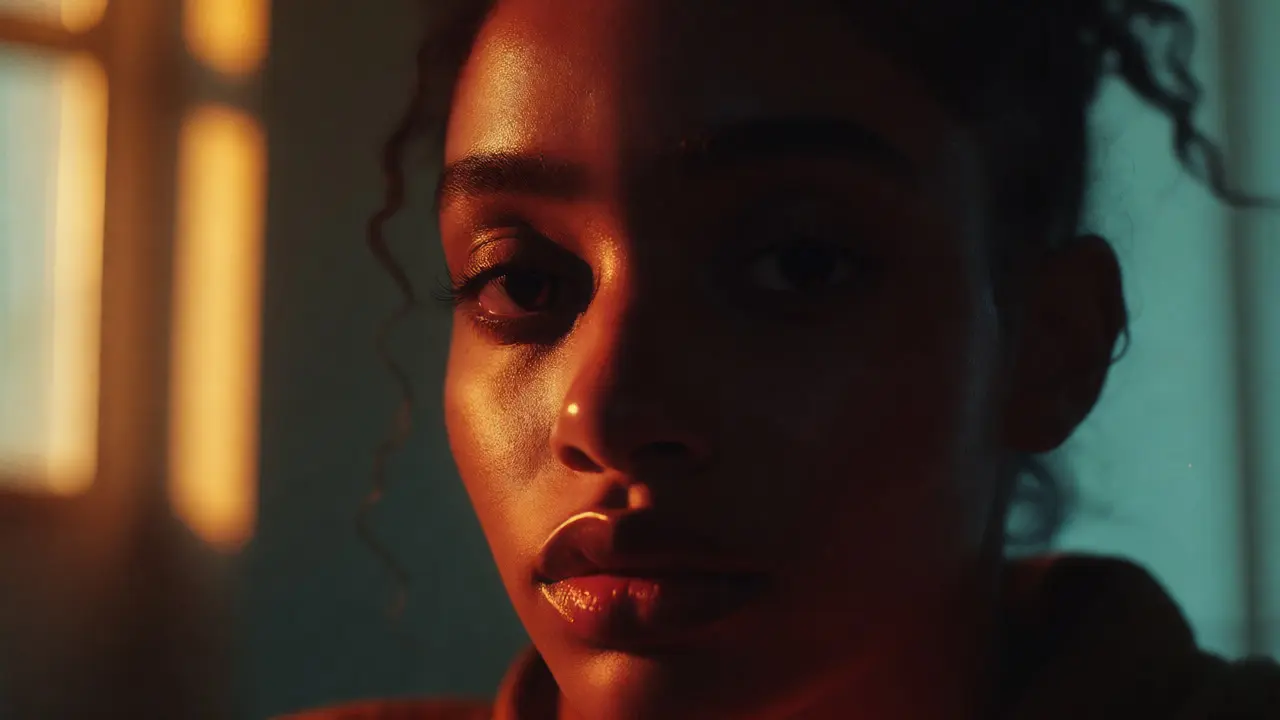
You scroll past a hundred music videos on YouTube or TikTok every week. Most blur together into a wash of neon lights and quick cuts. But then you hit an Alli Starr video, and something stops your thumb. It’s not just the beat dropping; it’s the way the light hits her skin, the grain in the air, the specific shade of teal that feels cold enough to touch. Why does this happen? Because Alli Starr isn’t just performing; she’s directing a mood. Her visual choices-specifically her use of color, texture, and lighting-are deliberate tools that turn a standard pop-R&B clip into a cinematic experience.
If you’re a creator, a fan trying to understand why her work resonates so deeply, or just someone who loves analyzing film aesthetics, there is a lot to unpack here. This isn’t about expensive cameras or huge budgets. It’s about intentionality. Let’s break down how she builds these worlds, one frame at a time.
The Psychology of Color Grading
Most artists treat color grading as a final polish step. For Alli Starr, it’s part of the script. Look closely at her visuals, and you’ll notice a consistent palette that leans heavily into warm ambers, deep crimsons, and muted teals. These aren’t random picks. Warm tones like amber and gold are psychologically linked to intimacy, nostalgia, and comfort. When she uses them, she’s inviting you into a private space, almost like peeking through a keyhole.
Contrast that with cooler tones. In clips where the vibe shifts to something more detached or melancholic, you see a shift toward blue-greens and desaturated grays. This isn’t just for looks; it creates emotional distance. The technique here is called color psychology, and it’s used extensively in cinema. Directors like Wong Kar-wai use saturated reds to signal passion and danger. Alli borrows this language but adapts it for modern R&B. She doesn’t just show you she’s sad; she bathes the scene in a cool, lonely blue that makes you feel the chill before she even sings a note.
What’s interesting is how she handles saturation. Modern digital video often suffers from being too clean or overly vibrant. Alli’s team often pulls back the saturation slightly, letting shadows retain some color rather than crushing them to pure black. This keeps the image feeling organic and human, not plastic. It’s a subtle choice, but it grounds the fantasy elements of the video in reality.
Texture: Making the Air Feel Heavy
Clean digital footage can feel sterile. To combat this, Alli Starr’s videos rely heavily on texture. You might think of texture as what you can touch, but in video, it’s what you can almost feel. It’s the grain of the film stock, the haze in the air, the roughness of the fabric against the skin.
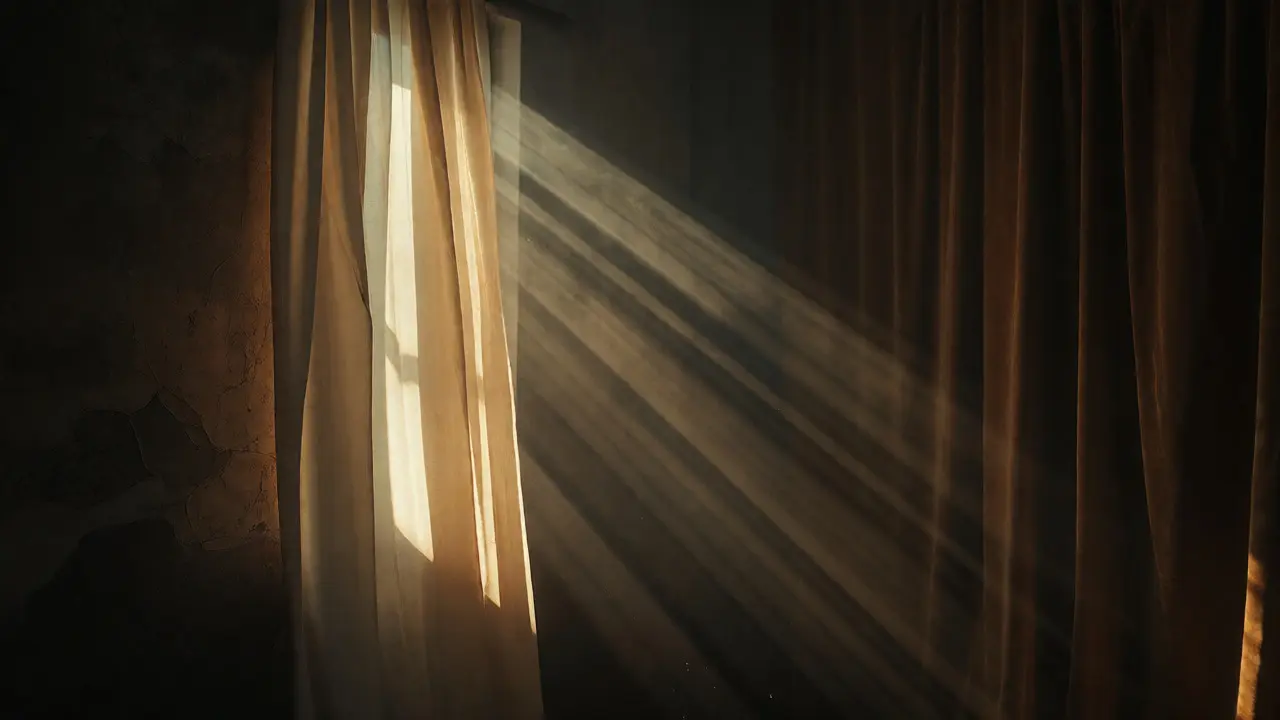
One of the most effective tricks she uses is practical effects. Instead of adding smoke or fog in post-production, they often shoot with actual atmospheric elements. Think of the haze from a cigarette, the steam from a hot shower, or dust motes dancing in a shaft of sunlight. These elements catch the light and create depth. Without them, a shot can look flat, like a painting on a wall. With them, the camera feels like it’s moving through a three-dimensional space.
| Element | Visual Effect | Emotional Impact |
|---|---|---|
| Film Grain | Adds noise and softens sharp edges | Nostalgia, rawness, authenticity |
| Atmospheric Haze | Creates visible light beams and depth | Mystery, dreaminess, isolation |
| Fabric Movement | Adds kinetic energy to static shots | Sensuality, fluidity, life |
| Reflections | Duplicates subjects, adds complexity | Introspection, duality, glamour |
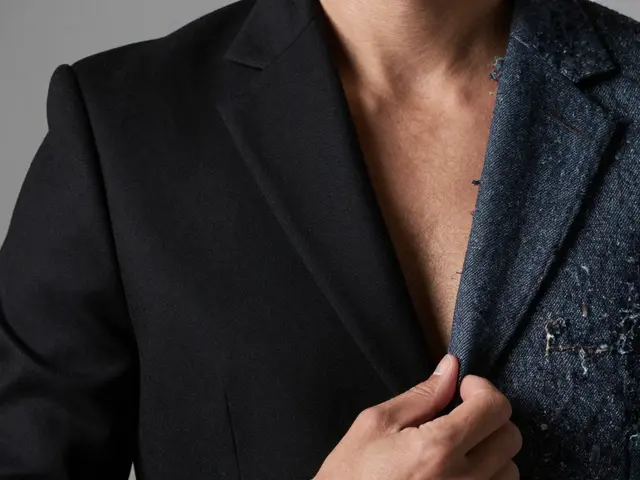
Fabric also plays a huge role. Notice how loose silks, sheer meshes, or heavy velvets move in her videos. Fabric catches light differently than skin or hair. Silk reflects light sharply, creating highlights that draw the eye. Velvet absorbs light, creating deep, rich shadows. By choosing specific materials, she controls how light interacts with her body, turning her outfit into a lighting tool itself.
Lighting as Narrative
Lighting is the backbone of any cinematic look. In mainstream pop videos, you often see high-key lighting-bright, even, shadowless. It’s flattering, but it’s also safe. Alli Starr prefers low-key lighting. This means using strong contrasts between light and dark. Shadows aren’t mistakes to be fixed; they’re characters in the story.
She frequently employs chiaroscuro, a technique from Renaissance painting where dramatic illumination reveals only parts of the subject. In her videos, this might mean half her face is lit by a single window, while the other half dissolves into darkness. This creates immediate intrigue. Who is she really? What is she hiding? The viewer leans in, literally and metaphorically.
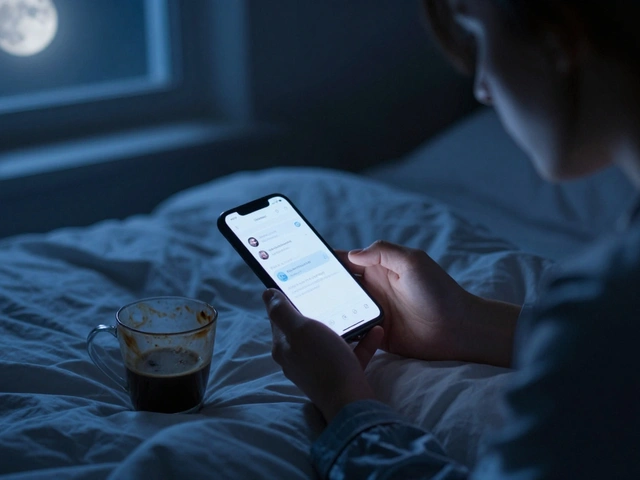
Another common trick is motivated lighting. This means every light source in the frame has a logical reason to exist. If there’s a bright spot on the wall, it comes from a lamp we can see or imply. If there’s a glow on her cheek, it’s from a candle or a phone screen. This realism anchors the surreal moments. When the lighting feels natural, the audience suspends disbelief more easily. It makes the stylized colors and textures feel earned rather than forced.
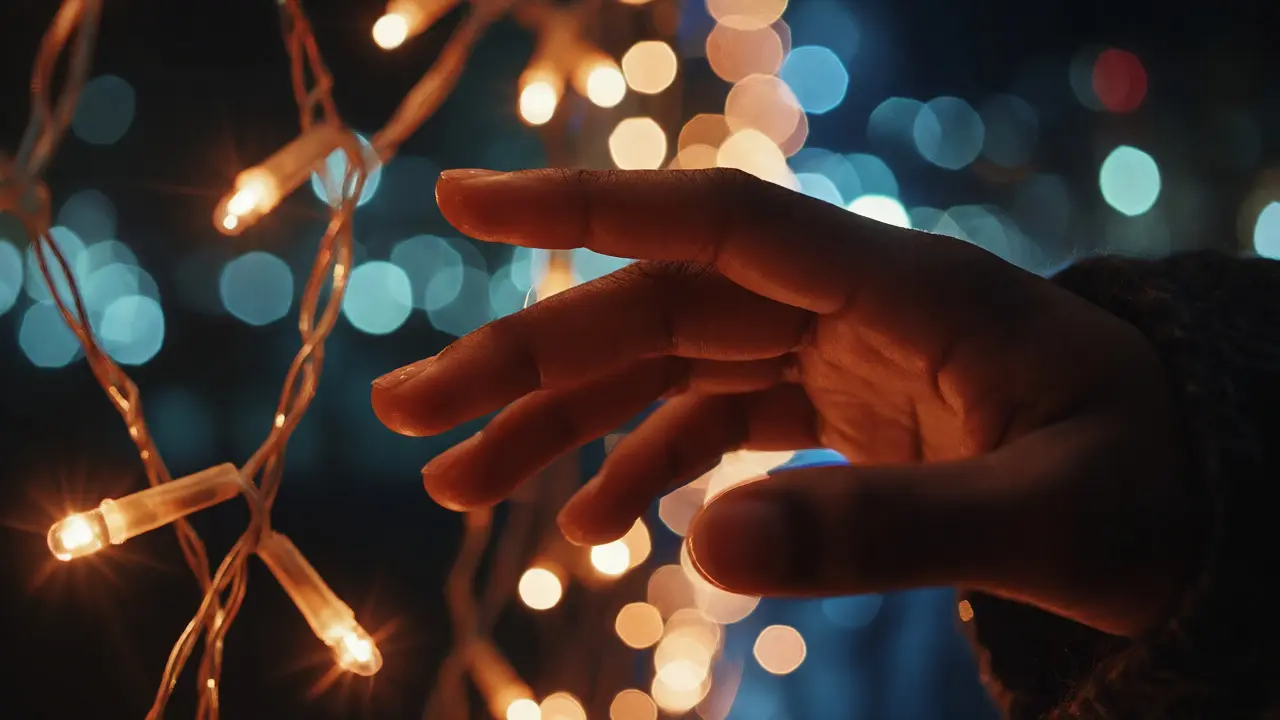
Consider the use of practical lights. Fairy lights, streetlamps, car headlights, or TV screens. These sources add points of interest and warmth. They break up the monotony of a dark room. In a video like "Dance," the interplay of dim ambient light and sharper focal points guides your eye exactly where she wants it to go. You don’t have to hunt for the subject; the light leads you there.
Composition and Framing Choices
How she frames herself matters as much as how she looks. Wide shots are rare in her intimate clips. Instead, she favors medium close-ups and extreme close-ups. This proximity forces intimacy. You see the pores on her skin, the gloss on her lips, the flicker in her eyes. It removes the barrier between performer and viewer.
But it’s not just about zooming in. It’s about negative space. Often, she places herself off-center, leaving room in the frame for the environment to breathe. This could be an empty chair, a blurry background, or a stretch of hallway. That empty space carries weight. It suggests loneliness or anticipation. If the frame were full, the feeling would be claustrophobic. By leaving space, she lets the emotion sit.
Camera movement is another subtle player. Handheld shots add a sense of immediacy and unease, perfect for anxious or passionate lyrics. Smooth gimbal moves feel dreamlike and controlled. Alli mixes these depending on the song’s energy. A shaky cam during a breakdown feels visceral. A slow, steady push-in during a chorus feels grand and inevitable.
Why This Approach Works for Modern Audiences
We live in an era of short attention spans. So why do slow, textured videos hold our gaze? Because they reward patience. Social media feeds are loud and fast. A video that demands you look closer stands out. It offers a pause button in a scrolling world.
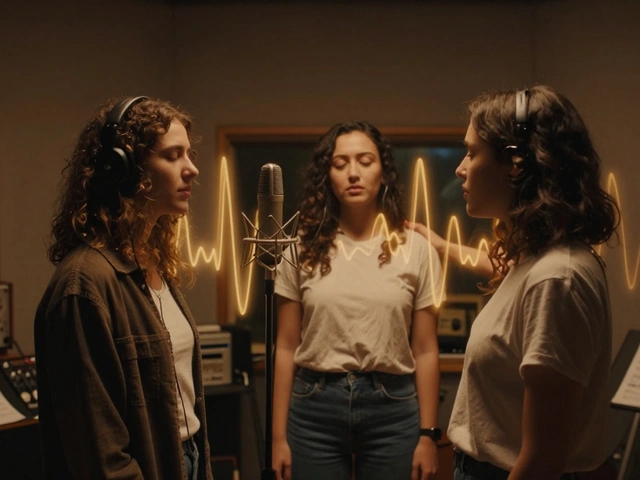
Also, this aesthetic aligns perfectly with the sonic landscape of modern alternative R&B. Artists like SZA, Frank Ocean, and Brent Faiyaz prioritize mood over melody hooks. Their music is atmospheric. A slick, high-energy visual would clash with that vibe. Alli Starr’s cinematic choices match the audio. The reverb in the vocals matches the haze in the visuals. The bass drop matches the sudden shift in lighting. It’s a cohesive sensory package.
This consistency builds brand identity. When you see those specific amber tones and soft focus, you know it’s her style before you even read the title card. That recognition is valuable. It turns casual listeners into loyal fans who associate her name with a specific quality of experience.
Practical Takeaways for Creators
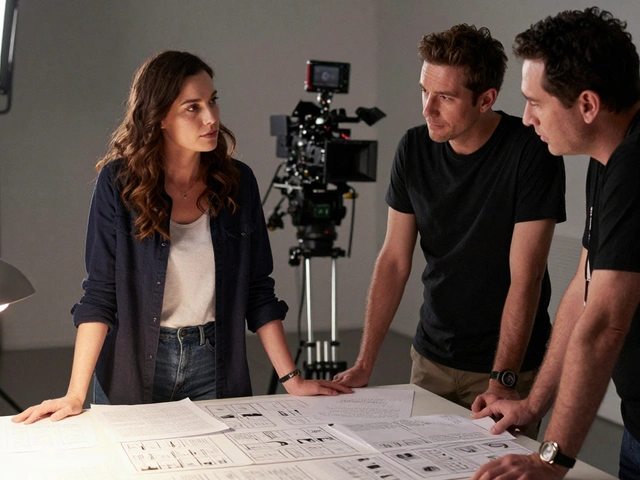
You don’t need a Hollywood budget to steal these techniques. Here’s how you can apply Alli Starr’s principles to your own projects:
- Limit your palette: Pick two or three dominant colors and stick to them. Avoid rainbow chaos.
- Use practical light sources: Turn off the overhead fluorescents. Use lamps, candles, or string lights to create pools of light.
- Add atmosphere: Buy a cheap smoke machine or even boil water nearby to add haze. It makes light visible.
- Embrace shadows: Don’t fear darkness. Let parts of the image fall into shadow to create mystery.
- Focus on texture: Choose clothes and props with interesting surfaces. Matte, glossy, rough, smooth-mix them up.
The goal isn’t to copy her exactly. It’s to understand the intent behind her choices. Every element should serve the emotion of the song. If the lyric is about heartbreak, does the lighting feel cold? If it’s about desire, does the color feel warm? Answer those questions first, and the technical execution will follow naturally.
What specific color grade does Alli Starr typically use?
While it varies by project, her signature look often involves lifting the blacks slightly to reduce contrast harshness, boosting warm tones (oranges and reds) in the midtones, and desaturating greens and blues to keep the image focused on skin tones and emotional warmth. This creates a vintage, film-like aesthetic.
Is professional equipment necessary to achieve this cinematic look?
No. While high-end lenses help with bokeh and sharpness, the look is primarily achieved through lighting and color grading. Many creators replicate this style using smartphone cameras combined with careful manual exposure control and free or affordable color grading apps that allow for custom LUTs (Look-Up Tables).
How does texture affect the perception of a music video?
Texture adds tactile realism to digital images. Elements like film grain, smoke, or fabric movement prevent the video from looking "flat" or sterile. It engages the viewer's sense of touch visually, making the experience more immersive and emotionally resonant.
What is chiaroscuro and how is it used in her videos?
Chiaroscuro is a technique using strong contrasts between light and dark. In Alli Starr’s videos, it is used to highlight facial expressions or specific body movements while obscuring the rest of the scene in shadow. This directs the viewer's attention and adds a dramatic, mysterious tone.
Can I apply these techniques to non-music video content?
Absolutely. These principles of color psychology, textural layering, and motivated lighting apply to vlogs, short films, advertisements, and social media reels. Any visual medium benefits from intentional lighting and color choices that support the narrative or mood.