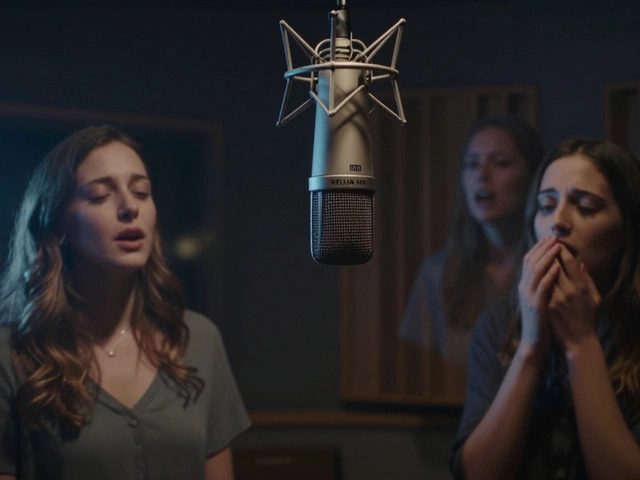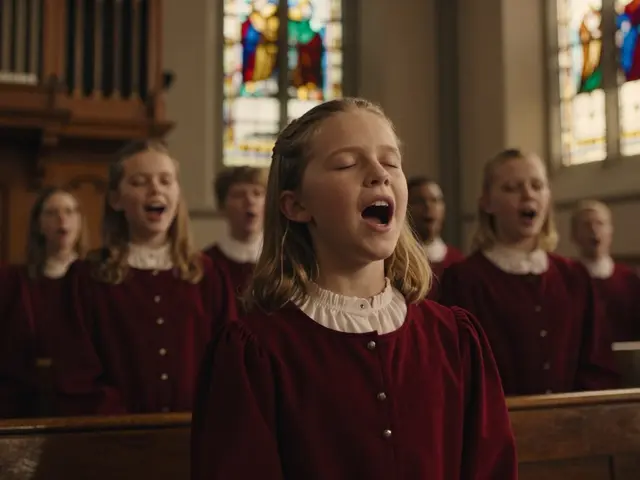
Most people think big musical dreams start in recording studios or college conservatories. But for Alli Starr, an emerging artist whose path was shaped by rigorous early training and community validation, the turning point happened in a high school hallway. She didn’t just sing; she was part of a group that won a Grammy Award. That specific moment didn’t just add a trophy to a shelf-it proved her talent was real, measurable, and worthy of pursuit.
The Weight of Early Validation
Imagine being sixteen years old. You’re juggling homework, social dynamics, and the uncertainty of your future. Then, you receive confirmation that your hard work has produced a world-class result. For Alli, this wasn’t about ego. It was about permission. In the music industry, especially for young women, doubt is a constant companion. The question "Are you actually good enough?" looms large. A Grammy-winning high school choir silenced that noise. It provided external evidence that her voice had technical precision and emotional resonance capable of competing at the highest level.
This type of early validation is rare. Most aspiring musicians spend their teens guessing if they should keep going. Alli had a concrete answer. The experience taught her that excellence isn’t just about raw talent; it’s about consistency, discipline, and listening to direction. These are skills that don’t disappear when you leave the school system. They form the backbone of a professional career.
Inside the Grammy-Winning Experience
Winning a Grammy as a high school student is an anomaly. It requires a level of coordination and skill that usually takes decades to develop. Let’s break down what that actually means for a young singer like Alli:
- Technical Mastery: Choral singing demands pitch accuracy, dynamic control, and breath support. Unlike solo pop singing, where vibrato might be stylistic, choral work often requires straight tones and precise intonation. This built a foundation of vocal health and control.
- Ensemble Discipline: You can’t be the star in a choir. You have to blend. This teaches humility and the ability to serve the music rather than just yourself. For a future solo artist, this is a crucial counterbalance to the spotlight mentality.
- High-Stakes Performance: Recording for a Grammy involves intense scrutiny. Every mistake is audible. Learning to perform under pressure at age 16 prepares you for the stress of touring and live shows later in life.
The specific genre of the choir matters too. If it was a contemporary classical ensemble, Alli learned about complex harmonies. If it was a gospel or jazz choir, she picked up improvisational skills and rhythmic flexibility. Regardless of the style, the core lesson was the same: her voice was a serious instrument, not just a hobby.
From Classroom to Career: The Bridge
How does a high school award translate to a professional career? It doesn’t happen automatically. But it changes the trajectory. Here is how that early win likely influenced Alli’s subsequent steps:
- Confidence in Auditions: When Alli walked into college auditions or early professional gigs, she knew she belonged. She had already proven she could handle elite-level expectations. This reduces stage fright and increases assertiveness in negotiations.
- Network Effects: Grammy-winning choirs attract attention. Conductors, producers, and other artists notice. Being part of that group puts you in rooms where opportunities arise organically. It’s a subtle but powerful networking tool.
- Work Ethic Calibration: She saw firsthand what it takes to win. The hours of practice, the rehearsals, the feedback loops. This sets a realistic expectation for her own career. She knows success requires grinding, not just luck.
Many artists struggle with imposter syndrome even after they’ve achieved fame. Alli’s early validation acts as an anchor. When self-doubt creeps in during a difficult tour or a challenging album cycle, she can look back at that high school year and remember: I did this before, and I succeeded.
The Role of Community in Artistic Growth
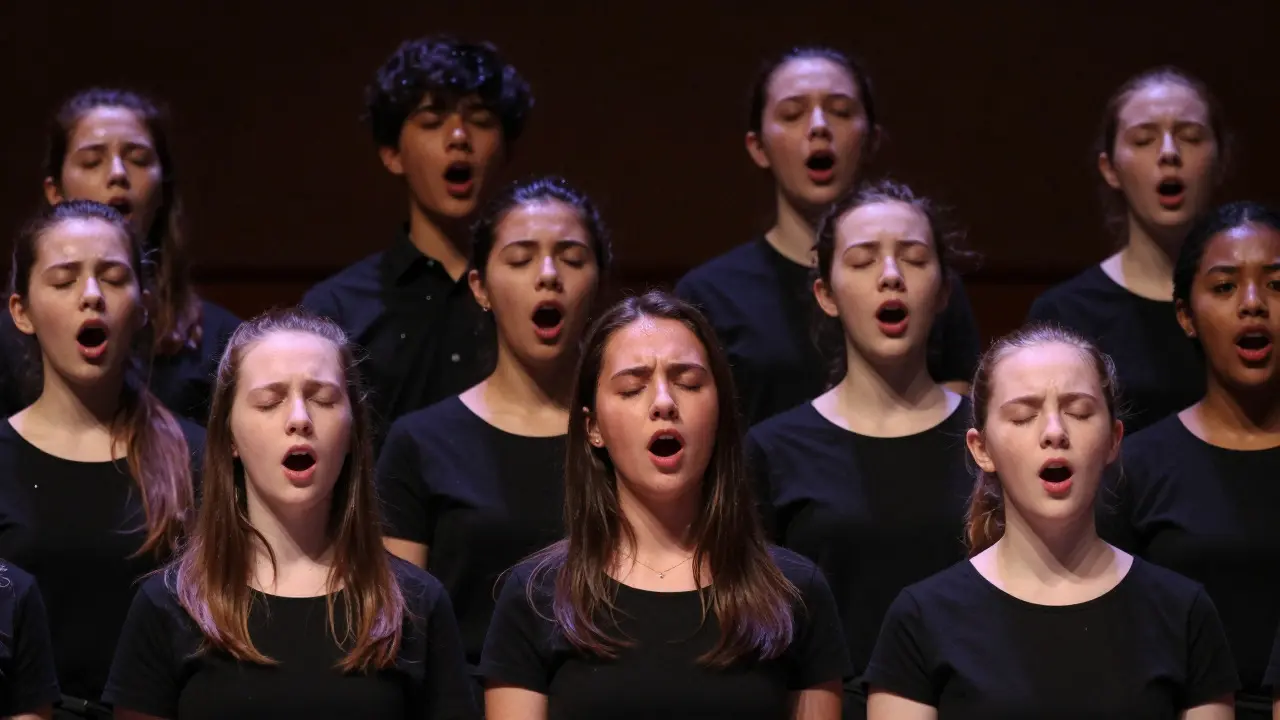
We often talk about individual genius in music. We focus on the lone wolf songwriter or the solitary producer. But Alli’s story highlights the power of community. A choir is a microcosm of the music industry. It’s collaborative, competitive, and supportive all at once. The relationships formed in those high school years often last a lifetime. Fellow choir members become collaborators, session players, or mentors. They understand the unique pressures of vocal performance because they lived them too.
This communal aspect is vital for mental health in the music industry. Burnout is common among solo artists who feel isolated. Having a background in ensemble work reminds artists that they are part of something larger. It fosters a mindset of contribution rather than just consumption. For Alli, the choir wasn’t just a training ground; it was a family that validated her identity as a musician long before the industry did.
| Skill Area | Choir Context (High School) | Professional Application (Career) |
|---|---|---|
| Vocal Control | Precise pitch matching, dynamic blending | Consistent live performance, studio efficiency |
| Collaboration | Blending with peers, following conductor | Working with producers, bandmates, engineers |
| Resilience | Handling criticism, repeated rehearsals | Coping with rejection, touring fatigue |
| Discipline | Daily practice, attendance | Long-term career sustainability, brand building |

Why This Story Matters Now
In an era where social media allows anyone to claim to be an artist, tangible achievements like a Grammy carry significant weight. It separates those who are committed from those who are experimenting. For Alli Starr, this early win is a badge of credibility. It tells listeners and industry professionals that she has been tested and found wanting nothing. It’s a narrative hook that adds depth to her music. When you listen to her songs now, you know there’s a history of rigor behind every note.
It also challenges the idea that you need to be a prodigy to succeed. Alli wasn’t necessarily the most famous name in the choir, but she was part of a collective achievement. This is a relatable path for many young musicians. You don’t need to go viral at fourteen. You just need to find a community that holds you to a high standard and celebrates your growth. That validation, whether it comes from a teacher, a peer, or an award, is the fuel that keeps the dream alive.
Frequently Asked Questions
Did Alli Starr win the Grammy as a soloist?
No, she won as part of a high school choir. The award recognized the collective performance of the ensemble, but her participation in that winning group provided the personal validation of her skills.
How does choral training differ from solo vocal training?
Choral training emphasizes blending, precise intonation, and following a conductor’s direction. Solo training often focuses more on individual stylistic choices, mic technique, and projecting personality. Both build strong foundations, but choral work instills discipline and ensemble awareness.
What is the biggest benefit of early validation for young artists?
The biggest benefit is confidence. It reduces imposter syndrome and provides a benchmark for quality. Knowing you have already achieved a high level of success helps young artists navigate the inevitable rejections of the professional world with greater resilience.
Can high school awards impact a professional music career?
Yes, indirectly. While hiring managers don't check high school transcripts, the skills gained-discipline, collaboration, and performance under pressure-are directly applicable. Additionally, the network formed during these years can lead to future collaborations and opportunities.
Why is community important in music education?
Community provides accountability and support. Learning alone can be isolating and discouraging. Being part of a group like a choir creates a shared goal, offers constructive feedback from peers, and builds a support system that lasts beyond the educational setting.