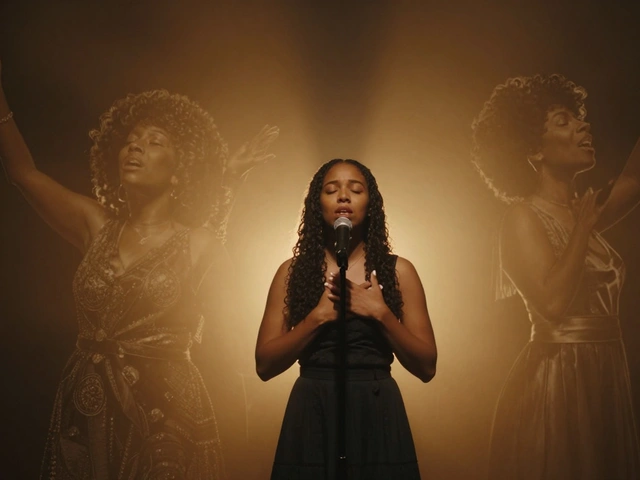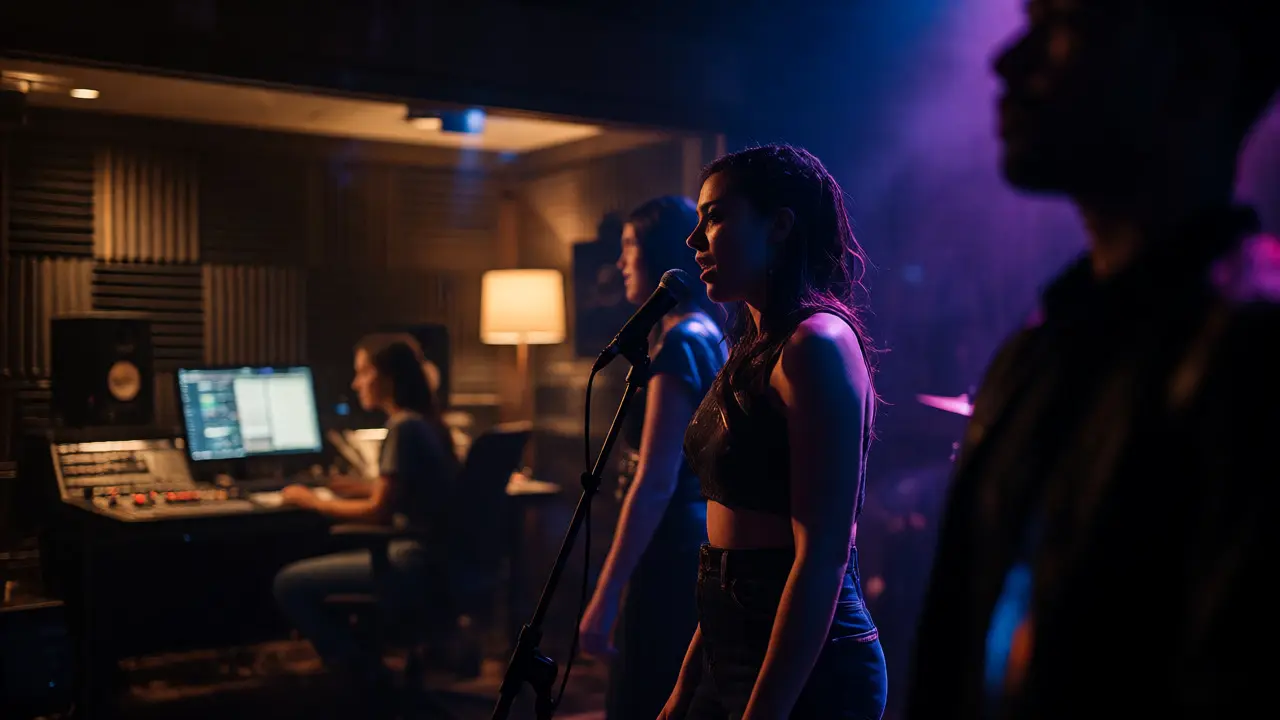
Imagine this: You spend six hours a day on tour buses or in rehearsal studios, supporting someone else’s vision. Then, you drive home to your own studio to record the music that defines you. This is the reality for Alli Starr, a vocalist who has mastered the art of being both a supporting pillar and a rising star. Most people think you have to choose one lane-either you’re a sideman waiting for your big break, or you’re a headliner. Alli proves that wrong.
If you are an aspiring singer trying to figure out how to make rent while building your own brand, Alli’s journey offers a blueprint. It’s not just about working hard; it’s about strategic energy management, clear boundaries, and using every gig as a stepping stone rather than a distraction. Let’s look at how she actually pulls this off without burning out.
The Dual Career Reality Check
Let’s be honest: backing up a major artist is exhausting. You’re dealing with tight schedules, travel fatigue, and the pressure to deliver perfection night after night. For many singers, this drains the creative battery needed for their own projects. Alli Starr treats these two roles as separate but complementary businesses. She doesn’t mix the mental spaces.
When she is on duty as a backup singer, she is fully present for the lead artist. She isn’t thinking about her Instagram captions or her next single release. She is executing a job. But when the tour ends, she switches modes instantly. This compartmentalization prevents burnout. If you try to multitask mentally during a show, you’ll likely mess up the harmony and lose focus on your own goals too.
- Professional Detachment: Treat backup work as a paid service, not your identity.
- Creative Ownership: Reserve specific hours solely for your own artistic development.
- Financial Clarity: Use backup income to fund solo risks, reducing financial stress.
Time Management That Actually Works
You might ask, "Where does she find the time?" The answer isn't magic; it's ruthless scheduling. Alli blocks out "solo time" on her calendar just like she would block out a soundcheck. These aren't optional slots. They are non-negotiable appointments with herself.
During tour cycles, this often means recording demos on days off or writing lyrics on flights. During non-tour periods, she dedicates full weeks to her solo brand. The key difference between successful dual-career artists and those who stall is consistency. Alli doesn’t wait for inspiration to strike; she shows up to write even if the output is mediocre. Quantity leads to quality over time.
| Strategy Type | Backup Focus | Solo Focus | Risk Level |
|---|---|---|---|
| Reactive Mode | Works only when hired | Writes only when free | High (Inconsistent) |
| Proactive Mode | Selective gigs for exposure | Fixed weekly studio blocks | Low (Sustainable) |
| Hybrid Integration | Uses tour audience data | Tailors content to fans | Medium (Complex) |
Leveraging Visibility Without Losing Authenticity
One huge advantage of being a backup singer is access to larger audiences. When you stand behind a famous artist, thousands of people see you. Alli uses this visibility strategically. She doesn’t just wave to the crowd; she ensures her social media handles are visible and that her online presence reflects her solo work, not just her role as a sidekick.
However, there’s a trap here. If you become too identified with the lead artist, fans might struggle to see you as a standalone act. Alli avoids this by curating her content carefully. Her Instagram reels might show a glimpse of tour life, but the caption always ties back to her personal story or upcoming music. She builds a narrative where her experience as a backup singer informs her solo artistry, rather than defining it.
Practical Tips for Brand Separation
- Visual Identity: Ensure your logo and color palette differ from the lead artist’s branding.
- Content Mix: Keep tour content below 30% of your feed; focus on your own music videos and behind-the-scenes creation.
- Collaborations: Feature other solo artists to signal you are part of the independent scene, not just staff.

Vocal Health and Physical Sustainability
You can’t build a solo career if you lose your voice. Singing nightly for another artist puts immense strain on your vocal cords. Alli prioritizes vocal hygiene aggressively. This isn’t just about drinking water; it’s about rest, warm-ups, and knowing when to say no to extra rehearsals that don’t pay enough to justify the wear.
She works with a vocal coach specifically to maintain stamina. Many backup singers neglect this because they feel "good enough." But for a solo artist, your instrument is your livelihood. If you blow out your voice on tour, your solo recording sessions get canceled, and momentum dies. Protecting your health is protecting your business.
Networking: Turning Colleagues into Collaborators
The music industry is small. The keyboard player you back up today might produce your album tomorrow. Alli views every professional relationship through a long-term lens. She treats bandmates, engineers, and managers with respect, regardless of their current status.
This approach has paid off. Several of her collaborators met her through backup circuits. Because they saw her professionalism and talent firsthand, they were eager to work with her on her own terms. Networking isn’t about handing out business cards; it’s about demonstrating reliability and skill so others want to hire you later.

Financial Strategy: Funding the Dream
Let’s talk money. Touring pays well, but it’s irregular. Solo careers often start with zero revenue. Alli uses a percentage of her backup earnings to fund her solo projects immediately. She doesn’t save it all for a rainy day; she reinvests it into high-quality mixing, mastering, and marketing.
This strategy removes the excuse of "I can’t afford to make my music." By treating backup work as an investor in her solo brand, she accelerates her growth. It also helps her avoid predatory deals. When you have cash flow from touring, you don’t need to sign a bad contract just to get a record deal.
Mindset Shifts for Long-Term Success
The biggest hurdle isn’t logistics; it’s ego. It can be tough to watch peers who went full-time solo getting press while you’re still standing in the background. Alli reframes this. She sees her backup work as a masterclass in performance, stagecraft, and industry mechanics. She learns what works on large stages and applies it to her own smaller shows.
Patience is critical. Building a solo brand takes years. Alli accepts that her path is slower but more stable. She isn’t chasing viral moments; she’s building a catalog. This mindset keeps her grounded and focused on sustainable growth rather than fleeting fame.
Is it better to quit backup singing once I start my solo career?
Not necessarily. Many artists keep doing session work or touring for years to fund their independence. Quitting too early can create financial instability that forces you to take bad deals. Evaluate if the backup work still aligns with your goals and schedule before leaving.
How do I promote my solo music while on tour?
Use downtime wisely. Post pre-scheduled content, engage with fans online, and consider releasing singles during tour breaks. Ensure your streaming profiles are updated and linked in your bio. Some artists even sell merch or offer QR codes at meet-and-greets.
Does being a backup singer help or hurt my solo image?
It depends on execution. If done well, it adds credibility and showcases your talent to new audiences. If poorly managed, you may be seen only as a sidekick. Curate your public persona to highlight your unique artistry alongside your supporting roles.
How much should I invest in my solo project from backup earnings?
A common rule of thumb is to reinvest 20-30% of backup income directly into solo production and marketing. Adjust based on your savings goals and the phase of your career. Early stages may require higher investment to build assets.
What are the signs I should transition to full-time solo?
Look for consistent demand for your solo shows, growing streaming numbers, and sufficient savings to cover living expenses for 6-12 months. Also, consider if backup gigs are increasingly conflicting with your solo opportunities.