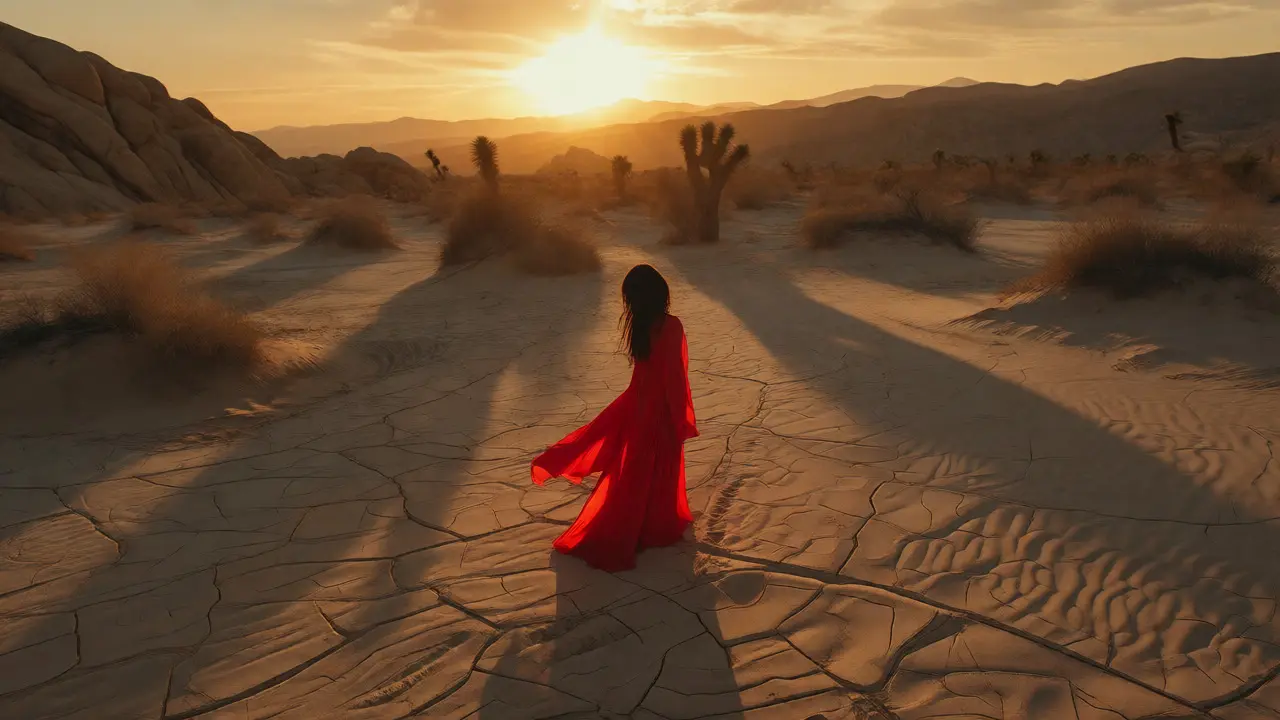
There’s a specific kind of silence you only hear in the high desert. It’s not empty; it’s heavy. For Alli Starr, an emerging force in alternative R&B and indie pop, that silence is a canvas. When she steps onto the cracked earth of places like Joshua Tree or the salt flats of Utah, she isn’t just looking for a pretty backdrop. She’s hunting for a mood that her voice can fill. You’ve probably seen those clips where the sun hits the sand just right, casting long, dramatic shadows while a singer stands small against a vast horizon. It looks effortless, but getting there? That’s a logistical nightmare wrapped in creative genius.
Why does this aesthetic work so well for artists like Starr? Because modern music consumption is visual-first. You’re scrolling through Instagram or TikTok, and if the video doesn’t grab you in three seconds, you’re gone. The desert offers something urban centers can’t: scale and isolation. But how do you actually pull off these shoots without turning into a melted popsicle or losing your crew in the middle of nowhere? Let’s break down the mechanics behind the magic.
The Allure of Isolation in Visual Storytelling
Think about the last time you felt truly alone. Not lonely, but isolated. In a city, you’re always surrounded by noise-cars, people, buildings blocking the sky. The desert strips all that away. For Alli Starr, whose sound often blends ethereal vocals with gritty, grounded beats, the environment mirrors the internal conflict in her lyrics. A shot of a single figure against a massive rock formation isn’t just "cool"; it visually represents themes of vulnerability and resilience.
This isn't new to cinema. Directors like David Lynch used deserts to create unease. Music video directors have borrowed that language. When you watch a clip like Starr’s recent singles, notice how the camera lingers on wide shots. There are no distractions. No traffic signs, no random pedestrians walking into the frame. Just the artist and the landscape. This forces the viewer to focus entirely on the performance and the emotion. If you’re shooting in New York or LA, you’re fighting the world for attention. In the desert, the world is already quiet.
Lighting: The Natural Studio
You might think lighting a desert shoot is easy because, well, the sun is huge. But the sun is also a tyrant. Midday light in the Mojave is harsh, creating deep, unflattering shadows under the eyes and blowing out highlights on white clothing. Most professional crews, including those working with artists like Alli Starr, schedule their shoots around two specific windows: Golden Hour and Blue Hour.
- Golden Hour: The hour after sunrise and before sunset. The light is soft, warm, and directional. It wraps around subjects, making skin tones look healthy and landscapes look rich.
- Blue Hour: The period of twilight when the sun is below the horizon. The sky turns deep blue, contrasting beautifully with artificial lights or the remaining warmth of the ground.
Shooting outside these windows requires expensive gear to balance exposure. You need ND filters to cut down glare and reflectors to bounce light back into shadowed faces. For independent artists, this means budget planning. You can’t just show up at noon and expect magic. You have to respect the sun’s schedule, which often means waking up at 4 AM. It’s brutal, but the footage speaks for itself.
Logistics: The Unsexy Reality of Desert Shoots
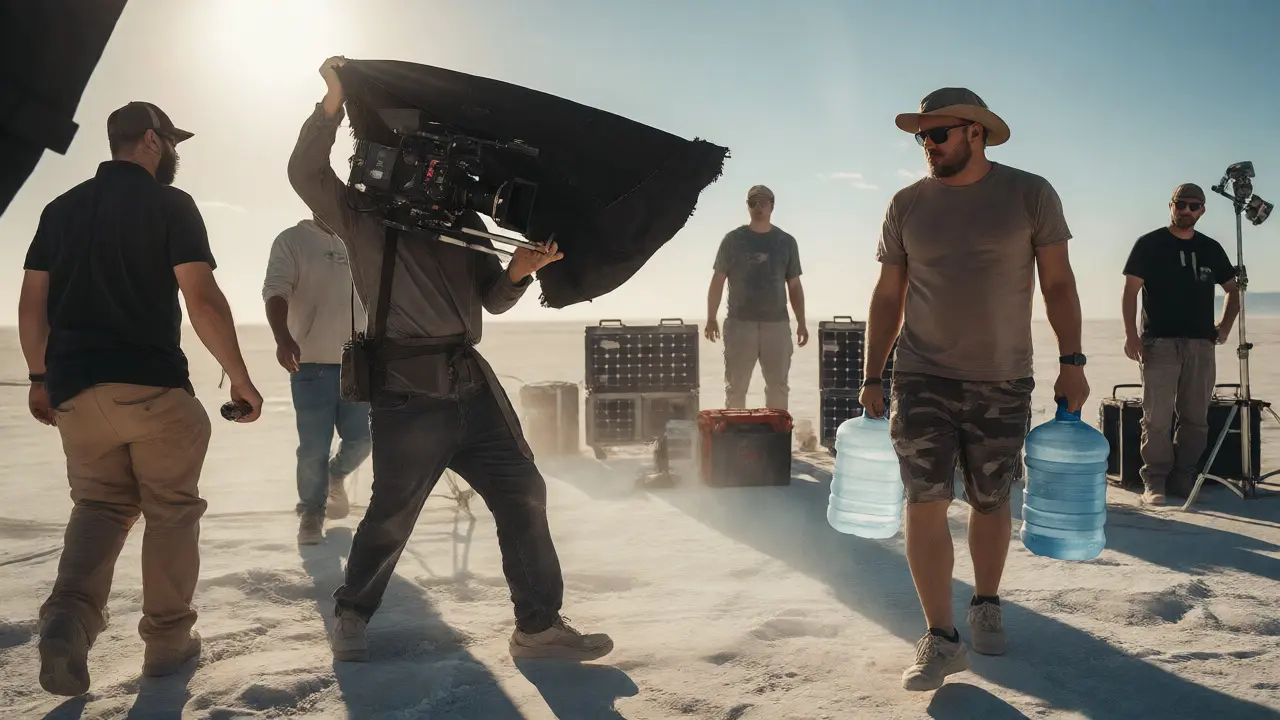
Here’s what the final edit doesn’t show you: the dust. Everything gets dusty. Cameras, lenses, clothes, food. One gust of wind can ruin a take or scratch a lens. Crews spend hours cleaning equipment between setups. Then there’s the heat. Even in fall, temperatures can spike unexpectedly. Hydration isn’t optional; it’s mandatory. Many productions fail because they underestimate water needs. A standard rule of thumb is one gallon per person, per day, minimum. And that’s just for drinking. You need extra for cooling off.
Power is another hurdle. Most remote desert locations lack electrical outlets. You’re relying on generators or battery packs. Generators are loud, which interferes with audio recording. Batteries die fast in extreme heat or cold. Artists like Alli Starr often bring portable power stations and solar chargers as backups. If you’re planning a shoot, map out your power sources before you leave civilization. Don’t assume your phone will charge from a car cigarette lighter all day.
Wardrobe and Styling for Sand and Wind
Fashion choices make or break a desert video. Flowy fabrics look amazing in slow motion but can tangle in bushes or blow over the lens. Tighter fits offer control but might not convey the same sense of freedom. Successful stylists choose materials that breathe but hold shape. Linen and cotton blends are popular because they wrinkle less than silk and don’t stick to sweaty skin like polyester.
Color palettes matter too. Earth tones-beige, terracotta, olive green-blend into the background, making the subject disappear. To stand out, artists often wear bold colors like electric blue, bright red, or stark white. White reflects sunlight, keeping the performer cooler, but it shows dirt instantly. Red contrasts sharply against the beige sand and blue sky, drawing the eye immediately. Check out the styling in Alli Starr’s latest visuals; you’ll see a deliberate use of color theory to ensure she remains the focal point despite the expansive scenery.
| Factor | Desert Location | Urban Environment |
|---|---|---|
| Light Control | Natural only (sun/moon) | Mixed (streetlights, buildings) |
| Noise Levels | Very Low | High (traffic, crowds) |
| Power Availability | Limited/None | Abundant |
| Permits Required | Often Yes (Land Management) | Complex City Permits |
| Crew Comfort | Low (Heat/Dust) | Medium (Access to amenities) |
Legalities and Land Rights
You can’t just drive into the desert and start filming. Much of the land is managed by federal agencies like the Bureau of Land Management (BLM) or National Park Services. Filming permits are required for commercial projects, which includes most music videos. Ignoring this can result in fines or being escorted off the property. Costs vary wildly depending on the location and size of your crew. Some spots charge a flat fee; others calculate based on vehicle count and duration.
Always check local regulations. Some areas prohibit drones during certain seasons to protect wildlife nesting grounds. Others restrict vehicle access to designated trails to prevent erosion. Planning ahead saves you from legal headaches. If you’re working with a smaller budget, look for state parks or private landowners who might be more flexible than federal entities. Just get everything in writing.
Post-Production: Enhancing the Vibe
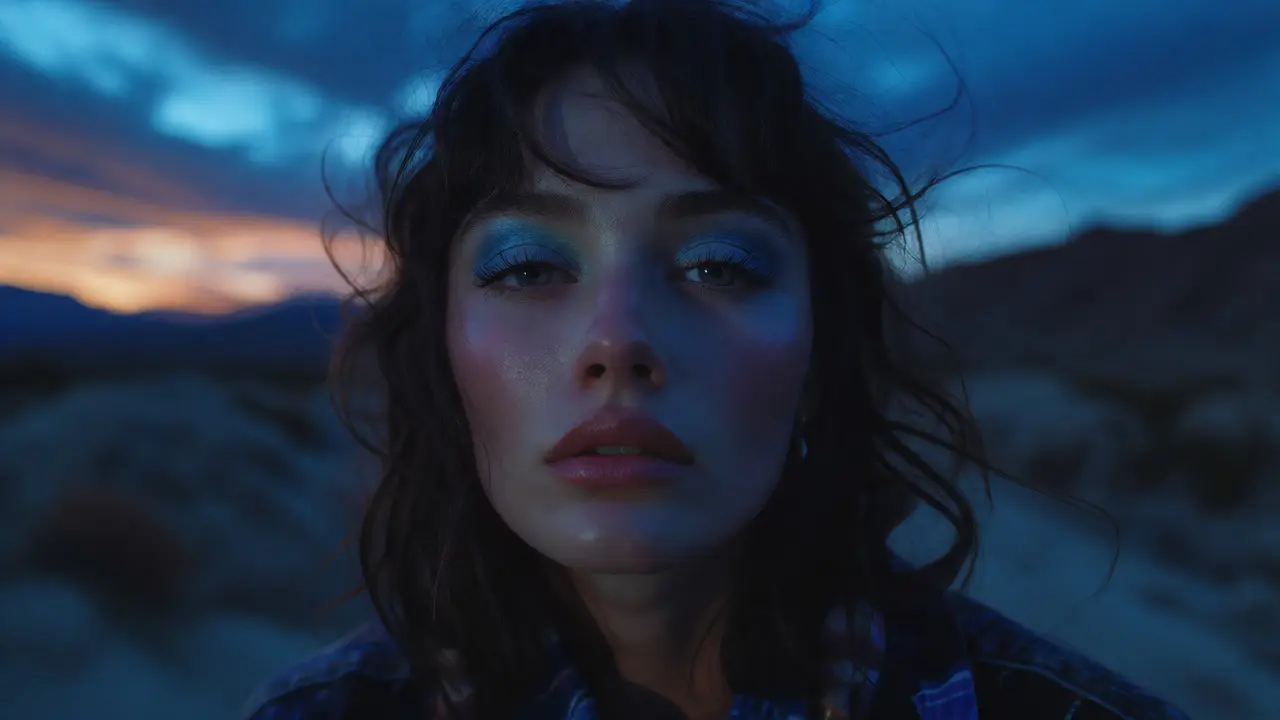
The work isn’t done when the cameras stop rolling. Color grading plays a huge role in defining the desert aesthetic. Editors often push saturation in the oranges and blues to emphasize the contrast between the sky and the sand. They might lower the blacks slightly to give the image a film-like quality, avoiding the digital sharpness that feels sterile.
Sound design is equally critical. Since desert locations are naturally quiet, editors add subtle ambient sounds-the wind, distant birds, crunching footsteps-to ground the viewer. This auditory layer adds depth to the visual isolation. For artists like Alli Starr, syncing the beat drops with visual shifts in light or movement creates a visceral experience. It’s not just watching a video; it’s feeling the rhythm in the landscape.
Final Thoughts on Creative Freedom
Shooting in the desert is risky. Weather changes fast. Equipment fails. People get tired. But the reward is unique imagery that stands out in a crowded feed. It allows artists to define their brand through environment rather than props or sets. When you see an iconic scene, remember the effort behind it. It’s a dance between nature and technology, requiring patience, preparation, and a willingness to embrace discomfort. If you’re an artist considering a location shoot, ask yourself: Does this place tell my story? If the answer is yes, pack your water bottles and go find your silence.
Do I need a permit to shoot a music video in the desert?
Yes, typically. If the land is public (managed by BLM, National Parks, etc.), you almost always need a commercial filming permit. Private land requires permission from the owner. Always verify local rules to avoid fines.
What is the best time of day to shoot in the desert?
Golden hour (shortly after sunrise or before sunset) provides soft, flattering light. Blue hour (twilight) offers dramatic skies. Avoid midday sun, which creates harsh shadows and high contrast that is difficult to manage without expensive gear.
How much water should a crew bring for a desert shoot?
A safe baseline is one gallon per person per day. However, in high heat, you may need more. Bring extra for cooling and cooking. Running out of water is a serious safety risk in remote locations.
Can I use drones in all desert locations?
Not necessarily. Regulations vary by location. Some national parks ban drones entirely. Others allow them with specific FAA registration and waivers. Always check current airspace restrictions and local land management rules before flying.
What clothing works best for desert music videos?
Breathable, natural fibers like linen or cotton work best. Choose bold colors to contrast with the neutral landscape. Avoid loose fabrics that catch the wind excessively unless you want that effect. Layering helps manage temperature swings.