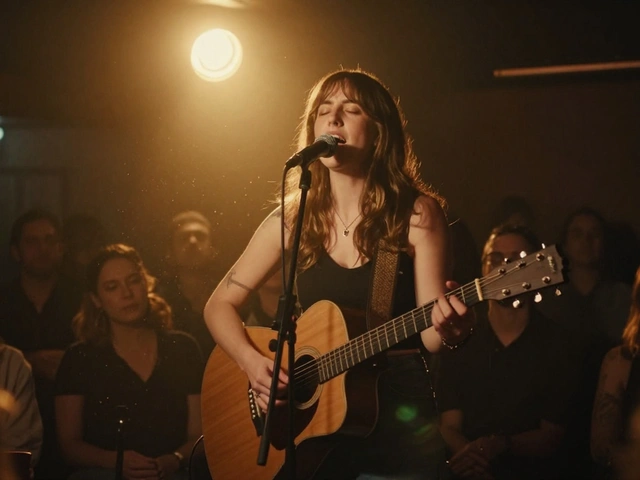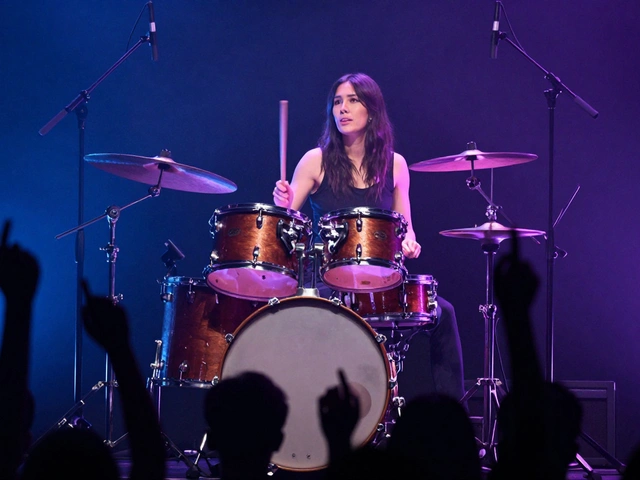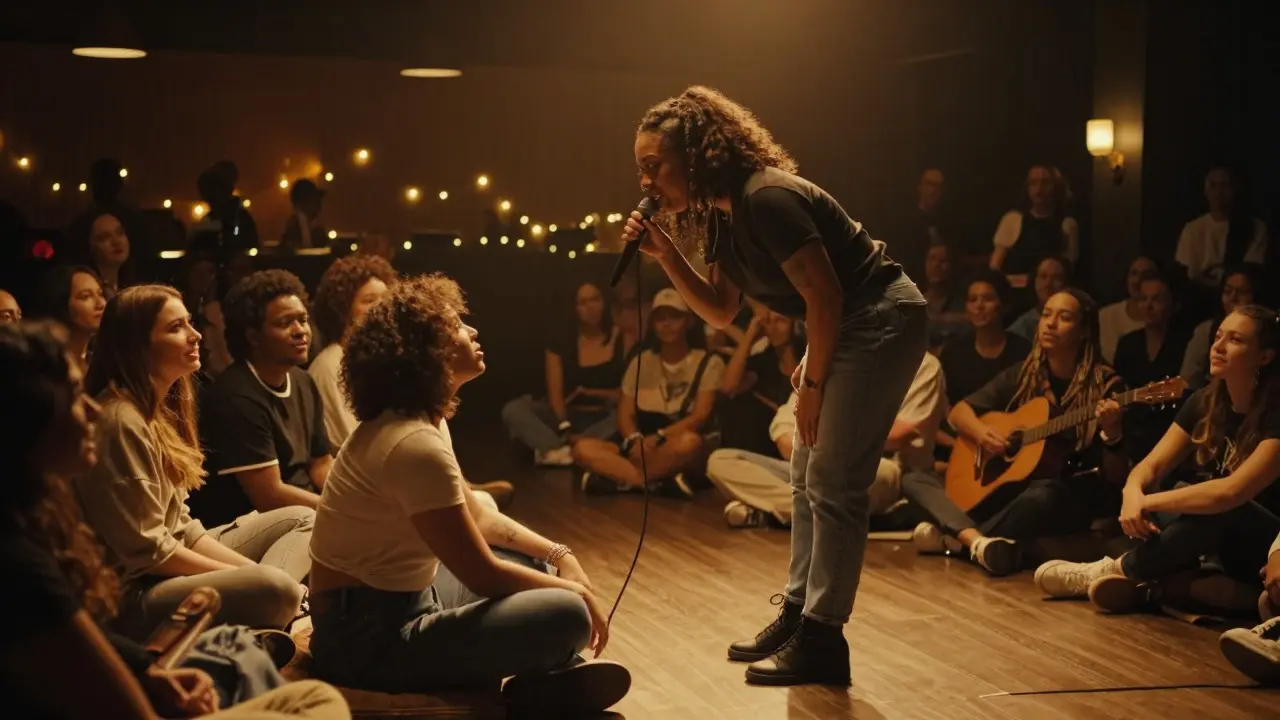
Most artists treat the stage as a one-way street: they perform, you watch. Alli Starr is an R&B singer-songwriter known for blending neo-soul melodies with raw, conversational lyrics that prioritize emotional authenticity over commercial polish. But her real innovation happens off-stage and in the gaps between songs. She has turned her live performances into active workshops on belonging, where the barrier between performer and audience dissolves into something more like a shared living room.
If you’ve attended a mid-sized concert in the last few years, you know the drill. You buy a ticket, you stand in the crowd, maybe you sing along if you’re brave, and then you go home. It’s fine. But it’s not transformative. Starr changed the script. By weaving specific rituals of inclusion into every show, she has created a template for how musicians can use their platform to build genuine community impact is the measurable positive change generated by an organization or individual through direct interaction, resource sharing, and social cohesion within a local population.
The Core Philosophy: Listening Before Speaking
Before Starr even touches her microphone, the energy in the room shifts. This isn’t accidental; it’s structural. Her approach starts with a simple premise: inclusion requires listening. In a genre often dominated by high-energy choreography and visual spectacle, Starr chooses intimacy. She speaks directly to the front row, but not just to praise them-she asks them questions. "What brought you here tonight?" or "What song made you feel seen last week?" These aren’t scripted lines. They are prompts designed to lower the social armor that people usually wear in public spaces.
This technique mirrors principles found in psychological safety research, where open-ended questions encourage vulnerability. When a stranger shares a personal story about heartbreak or joy, the entire room leans in. The collective attention creates a bond that no amount of pyrotechnics can replicate. For Starr, the goal is to make the audience feel like co-creators of the experience, not just consumers of it.
Practical Rituals That Build Belonging
Abstract philosophy needs concrete action. Here are three specific practices Starr uses to ensure every attendee feels part of the group:
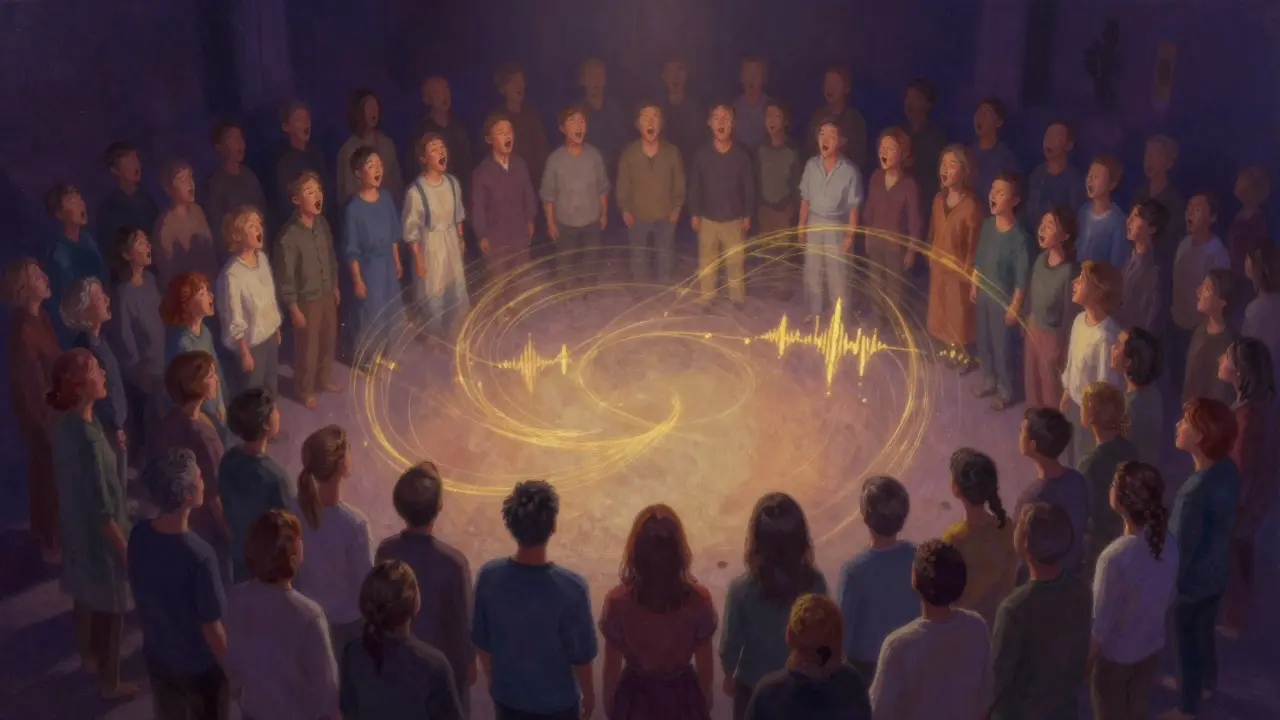
- The 'Silent Song' Segment: Midway through the set, Starr plays an instrumental version of her most popular track. She invites the crowd to sing together without any vocal guide from her. For thirty seconds, there is no lead singer, no hierarchy. Just a group of people harmonizing. It forces listeners to listen to each other, creating a sonic tapestry that emphasizes unity over individual performance.
- Accessible Stage Design: Recognizing that physical barriers can be emotional barriers, Starr ensures her stage setup allows for clear sightlines from all angles, including wheelchair-accessible zones. More importantly, she positions herself so that eye contact is possible with fans in the back rows, not just the pit. This small spatial adjustment signals that distance doesn’t equal disconnection.
- The Post-Show Circle: Instead of rushing out after the final chord, Starr stays on stage for ten minutes. She opens the floor for anyone who wants to share a word, a memory, or a thank-you. There is no time limit per person, but there is a rule: everyone listens until the speaker is done. This practice turns a transactional event into a communal gathering.
Measuring the Impact Beyond Ticket Sales
How do you measure success when the product is a feeling? Starr doesn’t rely solely on box office numbers. She tracks qualitative metrics that reflect deeper engagement. After each tour leg, her team surveys attendees not just about sound quality, but about their sense of connection. Common responses include phrases like "I felt heard" and "I made friends I didn’t know I needed."
This data feeds back into her production decisions. If a city’s audience reports feeling rushed, the next show in that region gets extended breaks. If a demographic group feels underrepresented, the setlist adjusts to include more diverse influences. This feedback loop ensures that fan engagement is the ongoing interaction between an artist and their audience that fosters loyalty, trust, and mutual respect through consistent communication and shared experiences remains dynamic and responsive.
| Feature | Traditional Concert | Alli Starr’s Approach |
|---|---|---|
| Artist-Audience Dynamic | One-way performance | Two-way dialogue |
| Primary Goal | Entertainment and revenue | Connection and community building |
| Post-Show Interaction | Minimal or non-existent | Dedicated 10-minute sharing circle |
| Success Metric | Ticket sales and merch | Sense of belonging and repeat attendance |
Challenges and Pitfalls to Avoid
Building inclusive spaces isn’t easy. The biggest risk is performative activism-doing the gestures without the substance. Starr avoids this by keeping the focus on the audience, not herself. If the post-show circle becomes a platform for her to talk about her own struggles, the dynamic shifts back to celebrity worship. She actively moderates to keep the spotlight on the fans’ stories.
Another challenge is scalability. What works in a 500-capacity club might feel awkward in a 5,000-seat arena. Starr addresses this by using intimate venues for her core tours and reserving larger arenas for special events where the interactive elements are adapted for scale, such as using large screens to display fan-submitted stories during the 'Silent Song' segment.
Replicating the Model: Tips for Other Artists
You don’t need to be a chart-topping star to implement these strategies. Here is how smaller acts can adapt Starr’s methods:
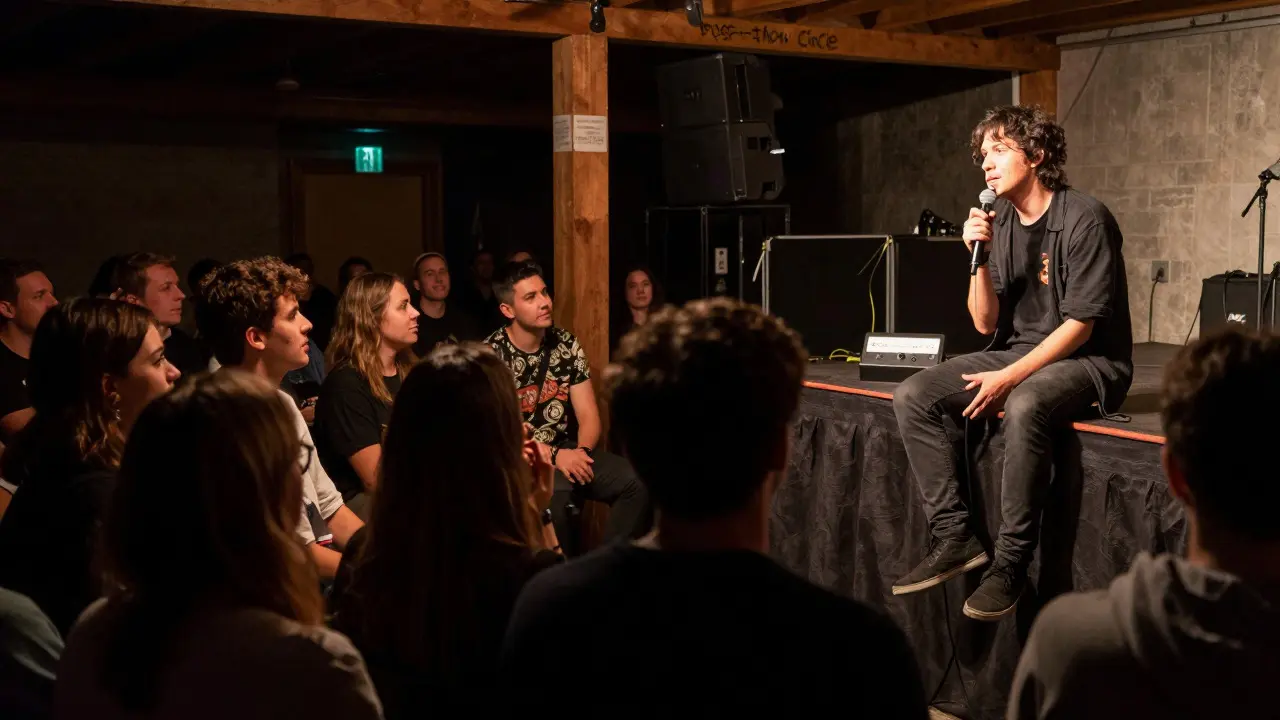
- Start Small: Don’t overhaul your entire show overnight. Try adding one question to your intro or extending your goodbye by five minutes.
- Train Your Team: Sound engineers and stage managers need to understand that silence is part of the show. They shouldn’t rush the band offstage.
- Curate the Space: Use lighting to create warmth rather than intensity. Dimmer lights encourage conversation and relaxation.
- Listen Actively: When a fan speaks, look at them. Nod. Repeat their key phrase back to them. Validation is the currency of inclusion.
By adopting these habits, artists can transform their gigs from mere entertainment events into anchors for local communities. The result is a loyal fanbase that returns not just for the music, but for the feeling of being part of something bigger.
Frequently Asked Questions
Does Alli Starr charge extra for VIP access to her inclusive segments?
No. The core inclusive rituals, such as the 'Silent Song' and the post-show circle, are available to all ticket holders regardless of price tier. VIP packages typically offer only logistical perks like early entry or merchandise, ensuring the emotional experience remains democratic.
How does she handle shy audience members who don't want to participate?
Participation is always optional. Starr explicitly states that there is no pressure to speak or sing loudly. Shy attendees are encouraged to simply observe or hum along quietly. The emphasis is on presence, not performance, which reduces anxiety for introverted fans.
Can this model work for genres other than R&B?
Yes. While R&B lends itself to emotional storytelling, the underlying principles of active listening and shared space apply to folk, jazz, and even certain rock subgenres. The key is adjusting the pace and volume to match the genre's natural rhythm while maintaining the focus on audience connection.
What role do social media play in extending this community impact?
Social media serves as a bridge between shows. Starr posts clips from the post-show circles (with permission) to show remote followers the human side of her tours. She also uses polls to let online fans vote on setlist additions, making the digital audience feel involved in the physical event planning.
How long does it take to see results from implementing these changes?
Immediate changes in atmosphere are noticeable within the first show. However, building a sustained community takes consistency. Most artists report seeing significant increases in repeat attendance and word-of-mouth referrals within six to twelve months of consistently applying inclusive practices.