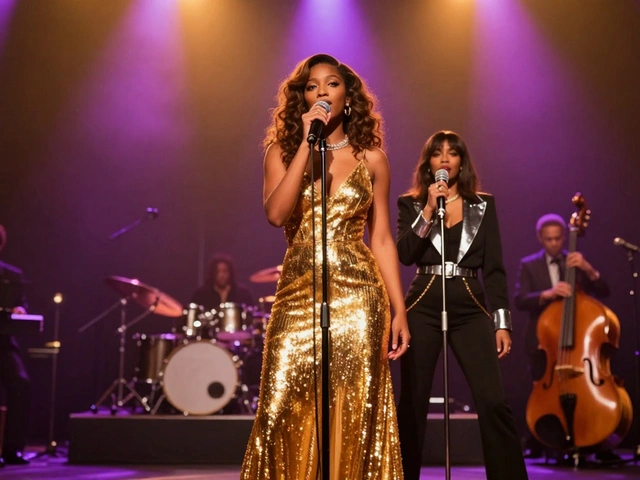
Most independent artists treat collaborations like a lottery ticket. They hope that linking up with someone bigger will magically drop them onto the radar of major publications. But look closely at Alli Starr, and you’ll see something different. She doesn’t just record songs; she engineers moments. Her approach to artist collaborations isn’t about chasing clout-it’s about creating shareable narratives that journalists actually want to write about.
If you’re an artist wondering why your latest feature got three Instagram stories and zero blog posts, this breakdown is for you. We’re going to dissect how Alli Starr leverages partnerships to generate consistent media coverage. It’s not magic. It’s a repeatable system of strategic alignment, content packaging, and timing that you can steal for your own career.
The Myth of the "Big Name" Feature
Here’s a hard truth: A collaboration with a famous artist means nothing if it lacks a story angle. Journalists are drowning in press releases saying, “Artist X released a song with Artist Y.” That headline gets ignored because it offers no new information. Alli Starr understands that media outlets need a hook beyond the names on the tracklist.
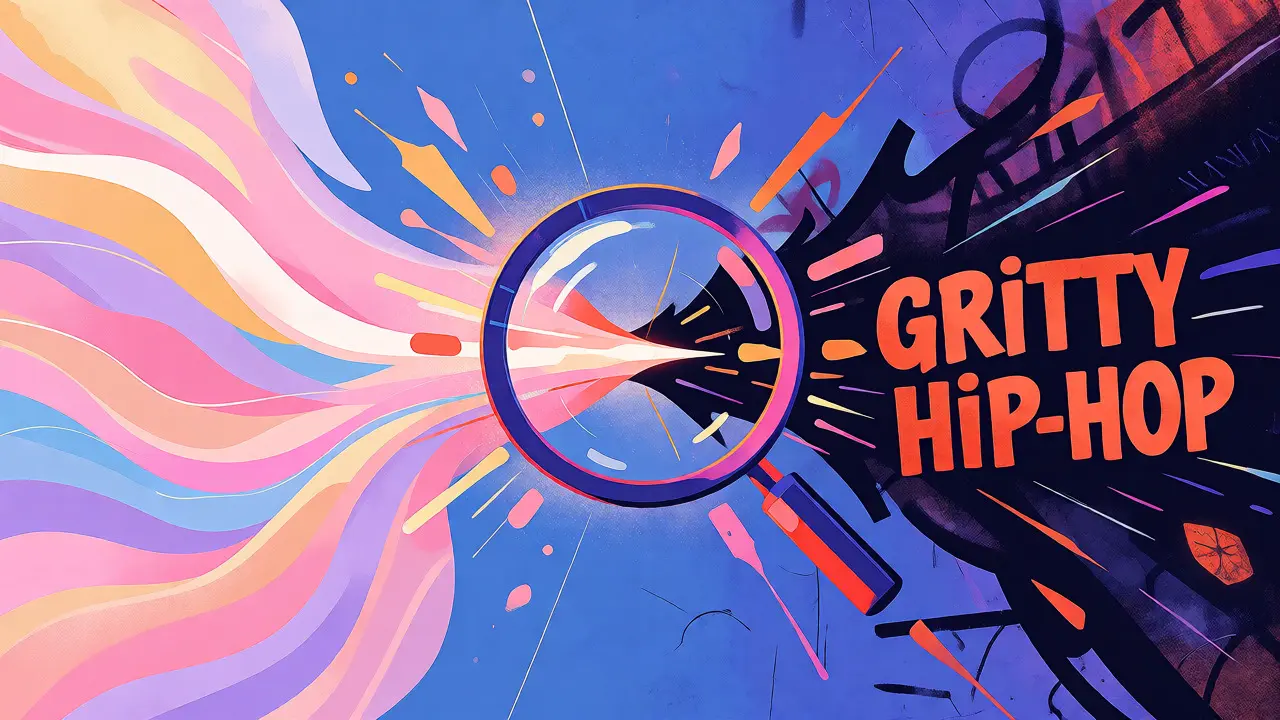
Instead of asking, “Who is the biggest person I can get on my track?” her team likely asks, “What interesting conversation does this pairing start?” For example, pairing a bedroom-pop aesthetic with a gritty hip-hop producer creates a contrast. That contrast is the story. The media coverage comes from explaining the friction or harmony between two distinct worlds, not just listing names.
- Contrast: Pairing genres or aesthetics that don’t usually mix.
- Context: Tying the release to a current cultural moment or trend.
- Access: Giving journalists exclusive insight into the creative process.
Strategic Alignment Over Random Networking
Random networking leads to random results. Alli Starr’s PR strategy relies on deep vetting of potential partners before the first note is recorded. This isn’t about finding friends; it’s about finding amplifiers. You need to evaluate potential collaborators based on their audience overlap and media relationships, not just their vibe.
Think of it as a Venn diagram. If your audiences don’t overlap at all, you’re shouting into the void. If they overlap too much, you’re preaching to the choir. The sweet spot is where there’s enough difference to be interesting but enough similarity to keep listeners engaged. Before reaching out, check who covers your potential partner. Do they have a loyal blog following? Are they featured on specific playlists that align with your brand? If a collaborator has never been covered by a publication you care about, they probably won’t help you break through there either.
| Partner Type | Primary Benefit | Media Angle | Risk Level |
|---|---|---|---|
| Established Peer | Credibility boost | "The next generation of..." | Low |
| Cross-Genre Icon | New audience reach | "Unexpected fusion" | Medium |
| Producer/Songwriter | Sonic identity definition | "Behind the sound" | Low |
| Viral Creator | Algorithm visibility | "From TikTok to radio" | High |
Packaging the Narrative for Press
You’ve recorded the track. Now what? Most artists send a Spotify link and say, “Check it out.” Alli Starr’s approach involves pre-packaging the narrative. When pitching to editors, you aren’t selling a song; you’re selling a story. Your pitch email should answer three questions immediately: Why now? Why these two people? What’s the visual component?
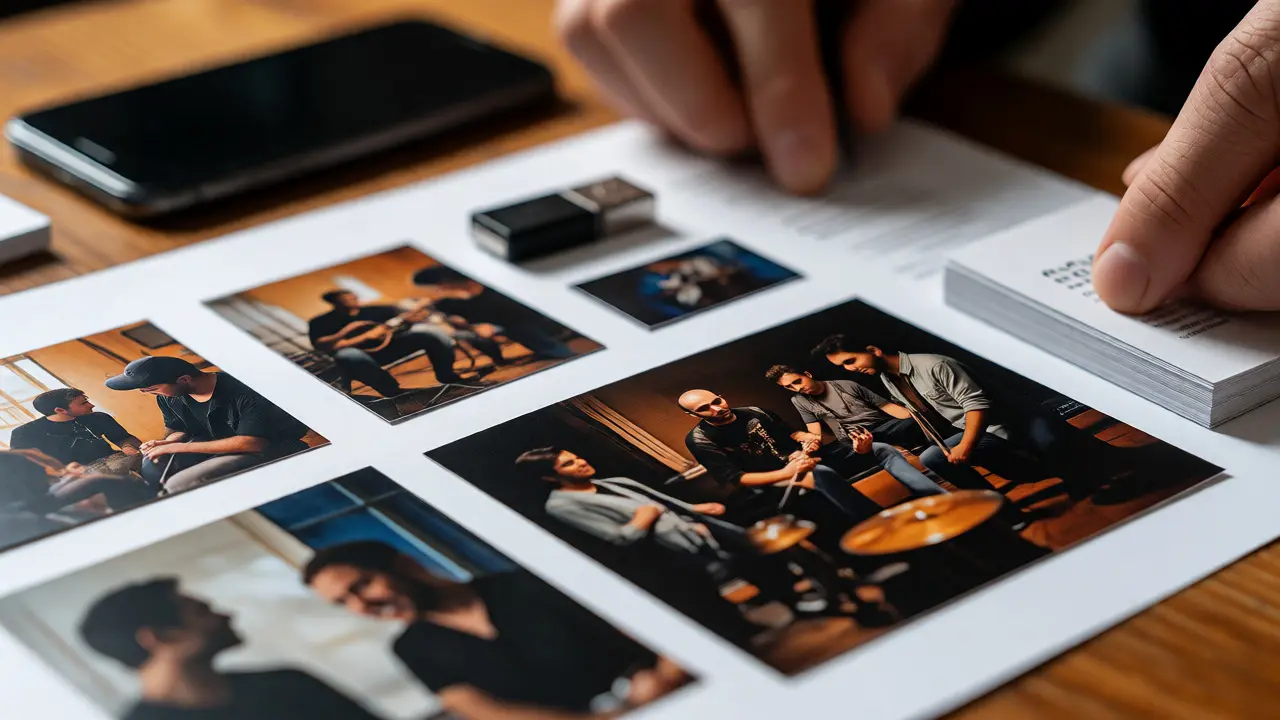
Journalists are busy. If they have to dig through social media to figure out why this collaboration matters, they’ll move on. Provide high-resolution photos taken during the session. Include quotes about the creative breakthrough. Mention any behind-the-scenes video content ready for use. By doing the heavy lifting for the writer, you increase the odds they’ll hit publish. Alli Starr’s team likely provides a “press kit” that includes bios, high-res assets, and a suggested headline. This reduces friction and makes the journalist’s job easier.
Leveraging Visuals and Short-Form Content
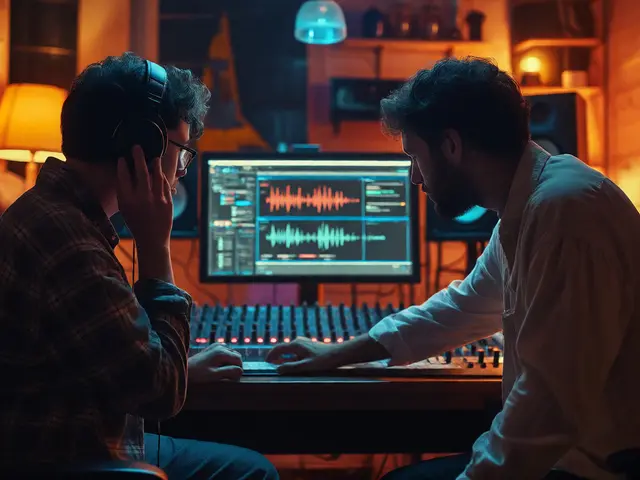
In 2026, text-based articles are often secondary to visual engagement. Alli Starr excels at turning studio sessions into short-form video content. This serves two purposes: it drives immediate traffic to the stream, and it gives bloggers B-roll material. When a blogger writes about a collaboration, they need images or videos to embed. If you provide a slick 15-second clip of the recording session, you’ve made their article better.
Don’t just post the final music video. Post the messy, authentic moments. Show the disagreement over a lyric. Show the laughter when a take fails. These human elements make the collaboration relatable. Media outlets love “behind the scenes” angles because they feel exclusive. By controlling the visual narrative, you ensure that the coverage reflects the brand image you want, rather than letting third parties guess at your vibe.
Timing the Release Cycle
A common mistake is dropping a collaboration without a coordinated push. Alli Starr’s strategy likely involves a staggered release schedule. Tease the collaboration weeks in advance. Drop snippets. Engage both fanbases separately before merging them. This builds anticipation so that when the song drops, the algorithm picks it up due to high initial engagement.
Coordinate with your collaborator’s PR team. Agree on who pitches which outlets. Avoid stepping on each other’s toes. If both teams pitch the same major magazine, one might get ignored. Divide and conquer. One side targets lifestyle blogs; the other targets music-specific publications. This maximizes total reach without duplicating efforts.
Measuring Success Beyond Streams
How do you know if the collaboration worked? Don’t just look at Spotify streams. Look at referral traffic. Did visitors come from a blog post? Did your follower count spike among the collaborator’s demographic? Track mentions in newsletters and podcasts. Alli Starr’s approach values long-term brand equity over fleeting viral spikes. A single blog feature might bring fewer listeners than a TikTok trend, but it brings higher-quality fans who read articles and buy merch.
Set clear KPIs (Key Performance Indicators) before you start. Is the goal playlist placement? Tour support? Media credibility? Measure against those goals. If you wanted media coverage, did you get five solid articles? If yes, the campaign succeeded, even if streams didn’t double overnight.
Do I need a publicist to execute this strategy?
Not necessarily. While a publicist helps, you can DIY this by building a targeted list of 20-30 relevant journalists and bloggers. Personalize every pitch. Focus on quality relationships over mass emailing.
How early should I pitch a collaboration?
Pitch 4-6 weeks before the release date. Editors plan content calendars in advance. Last-minute pitches rarely land in major outlets unless there’s breaking news involved.
What if my collaborator has a bad reputation?
Risk assessment is key. If their controversy outweighs their reach, skip the collab. Alternatively, lean into the controversy if it fits your brand’s edgy persona, but be prepared for polarized reviews.
Can small artists benefit from this approach?
Absolutely. Small artists often have more creative freedom. Use niche blogs and local media to build a foundation before aiming for national outlets. Authenticity resonates more than scale.
How important are visuals in the pitch?
Critical. High-quality, unique visuals differentiate your pitch from hundreds of others. Include at least 3-5 professional photos and one short video clip in your press kit.