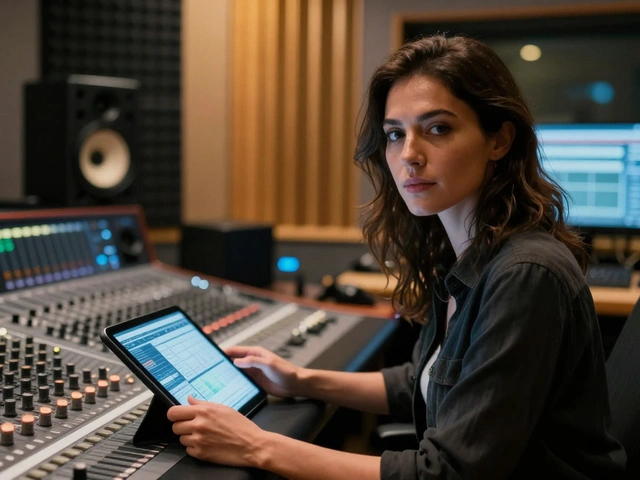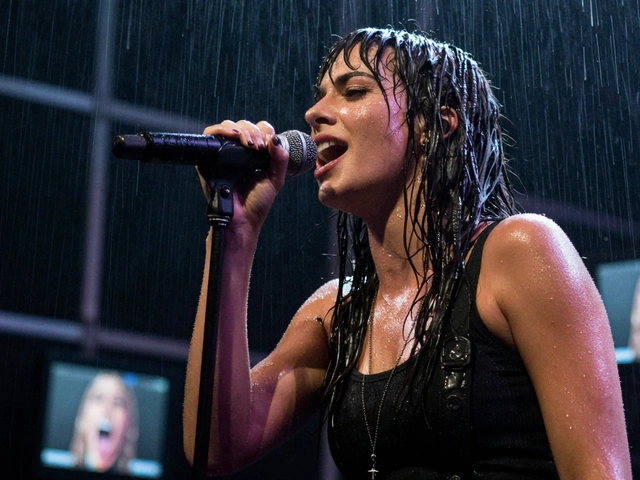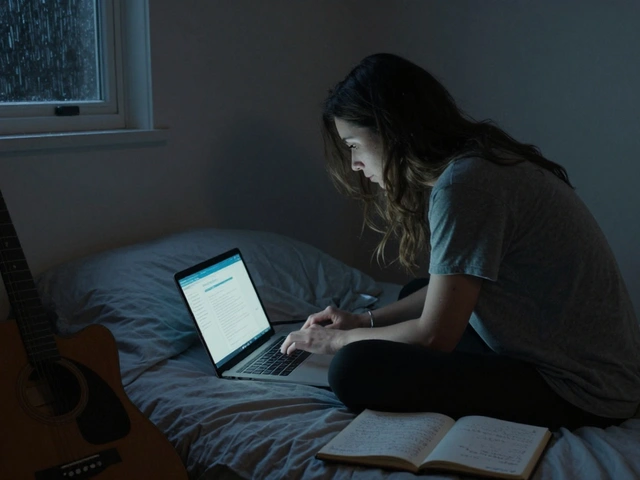
Turning a song into a moving image is less about filming and more about translating emotion. For Alli Starr is an emerging artist known for blending indie pop aesthetics with raw, documentary-style visuals that challenge traditional music video tropes. Her approach doesn't start in front of the camera; it begins long before, in the messy, collaborative space where lyrics meet lens. If you’ve ever wondered how a track transforms from audio files to a cohesive narrative, Starr’s process offers a transparent look at the mechanics of modern visual storytelling.
The Pre-Production Blueprint
Most artists think the script comes first, but for Starr, the mood board is the true foundation. Before a single word of dialogue is written, she works with her creative director to curate a visual language. This isn’t just about picking colors; it’s about defining the texture of the story. Does the song feel like rain on glass or sunlight through dust? These sensory details dictate everything from the lighting package to the wardrobe choices.
- Mood Boards: A collection of stills, film frames, and color palettes that establish the emotional tone.
- Reference Films: Specific movies or short films that inspire pacing or cinematography styles.
- Lyric Breakdown: Identifying key phrases that need visual metaphors rather than literal interpretation.
This phase usually takes two to three weeks. It’s where the most expensive mistakes are avoided. By agreeing on the 'look' early, the team ensures that when they finally step onto set, there’s no debating whether a scene should be warm or cool. The vision is locked, allowing the crew to focus on execution rather than direction.
Casting and Location Scouting
Once the visual language is set, the search for faces and places begins. Starr often avoids professional actors for lead roles, preferring friends or collaborators who understand the song’s intent. This choice brings an authenticity that scripted performances rarely achieve. The energy feels lived-in, not performed.
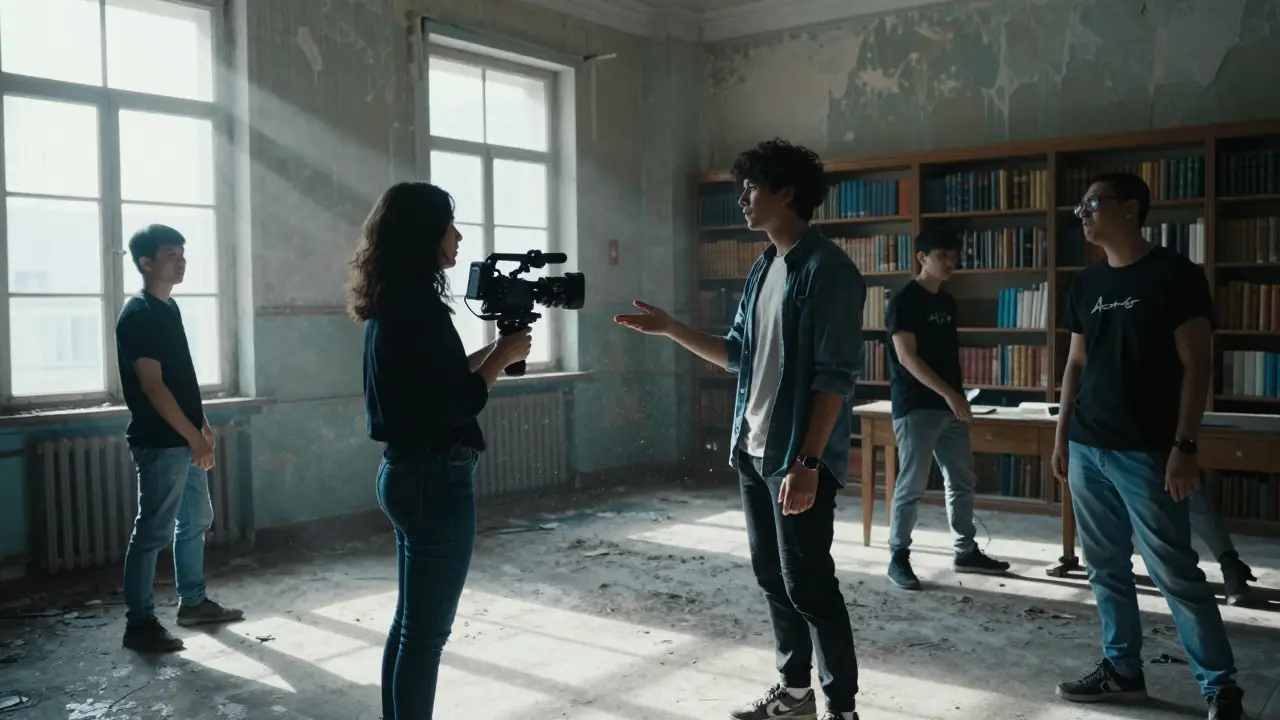
Location scouting is equally critical. Instead of renting sterile studio spaces, the team looks for environments that already have a history. An abandoned library, a cramped apartment with peeling wallpaper, or a rooftop overlooking a city skyline-these places add layers of meaning without extra budget. The location itself becomes a character in the story, influencing the camera angles and natural light available.
The Shooting Schedule: Efficiency Over Perfection
On shoot days, time is the most valuable resource. Starr’s schedule is tight, often capping at eight hours per day to keep energy high and costs manageable. The day is broken into specific blocks, each dedicated to a particular narrative beat. There’s little room for improvisation during setup, which means the shot list must be exhaustive.
- Morning Block: Wide establishing shots and complex setups requiring large crew movements.
- Midday Block: Intimate close-ups and dialogue-heavy scenes where natural light is strongest.
- Golden Hour: Exterior shots that rely on ambient sunset light for warmth and depth.
This structure prevents the common pitfall of running out of daylight for exterior scenes. By prioritizing the hardest logistical challenges early, the team can relax into the finer details later in the day. It’s a strategy that balances creative freedom with operational reality.
Directing Performance: Subtlety Wins
Directing non-professional talent requires a different toolkit than directing seasoned actors. Starr relies on emotional prompts rather than technical instructions. Instead of telling someone to "move left," she might ask them to recall a specific memory associated with the song’s chorus. This technique unlocks genuine reactions, capturing micro-expressions that resonate with viewers.
Camera movement also plays a crucial role here. Handheld cameras are used for intimate moments, creating a sense of immediacy and instability. Static, tripod-mounted shots are reserved for reflective passages, giving the audience time to breathe. The contrast between these styles mirrors the dynamic shifts in the music itself, ensuring the visuals don’t compete with the audio but enhance it.
Post-Production: Where the Story Tightens
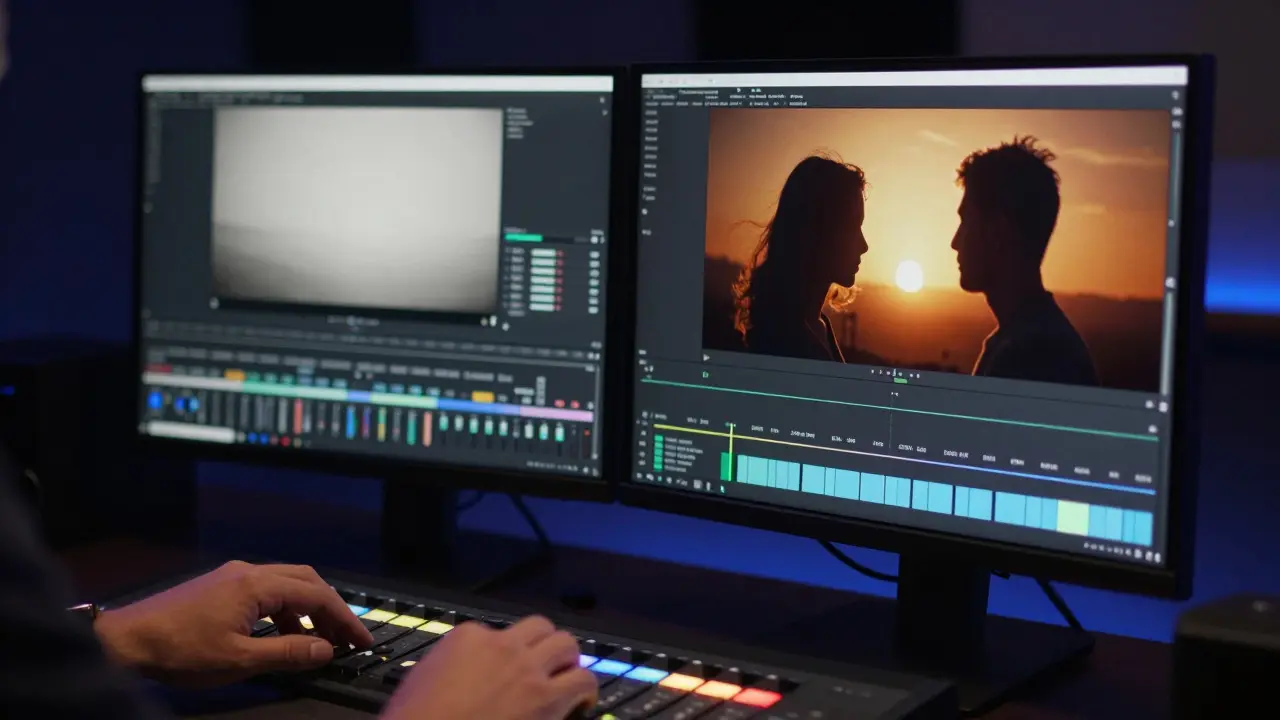
Many people assume the video is finished once the cameras stop rolling. In reality, post-production is where the narrative truly solidifies. Editing involves cutting down hours of footage to fit the song’s rhythm precisely. Every cut point must align with a musical beat or lyrical phrase, creating a seamless sync between sound and sight.
Color grading is the final polish. Starr works closely with a colorist to adjust tones until the image matches the initial mood boards. This step can take anywhere from three to five days, involving detailed adjustments to skin tones, shadows, and highlights. The goal is consistency; every frame should feel like part of the same dream, even if filmed in different locations at different times.
| Phase | Primary Focus | Key Deliverables | Typical Duration |
|---|---|---|---|
| Pre-Production | Visual Language & Planning | Mood Board, Shot List, Casting | 2-3 Weeks |
| Shooting | Execution & Capture | Rough Cuts, B-Roll, Audio Sync | 1-2 Days |
| Post-Production | Editing & Color | Final Cut, Graded Master | 1-2 Weeks |
Common Pitfalls to Avoid
Even experienced teams stumble. One frequent mistake is over-complicating the narrative. If the story requires ten plot twists, it will likely confuse the viewer and distract from the song. Simplicity is powerful. Another error is neglecting sound design. While the music is the primary audio, subtle ambient sounds recorded on set can add depth during quiet moments. Finally, rushing the review process leads to missed errors. Always watch the final cut on multiple devices to ensure the visuals hold up on smaller screens as well as large displays.
Frequently Asked Questions
How long does it take to produce a music video?
For a standard independent project like Alli Starr’s, the total timeline is typically four to six weeks. This includes two to three weeks for pre-production, one to two days for shooting, and one to two weeks for post-production editing and color grading.
Do I need a professional actor for my music video?
Not necessarily. Many artists prefer non-actors because they bring authenticity and unique energy. However, you need strong direction to guide their performance. Professional actors are useful if your concept requires complex dramatic acting, but for atmospheric or narrative-driven videos, real people often work better.
What is the most important part of pre-production?
Defining the visual language. This includes creating a mood board and selecting reference materials that clearly communicate the desired tone and style to the entire crew. Without this alignment, shooting days become inefficient due to constant decision-making.
How does color grading affect the final video?
Color grading unifies the footage by adjusting tones to match the established mood. It ensures consistency across different locations and lighting conditions. A well-graded video feels cohesive and emotionally resonant, while poor grading can make scenes feel disjointed or flat.
Can I shoot a music video in one day?
Yes, if the concept is simple and the location is controlled. Single-day shoots are common for lower-budget projects. However, they require meticulous planning and a small, efficient crew. Complex narratives or multiple locations usually require at least two days to capture all necessary angles and coverage.