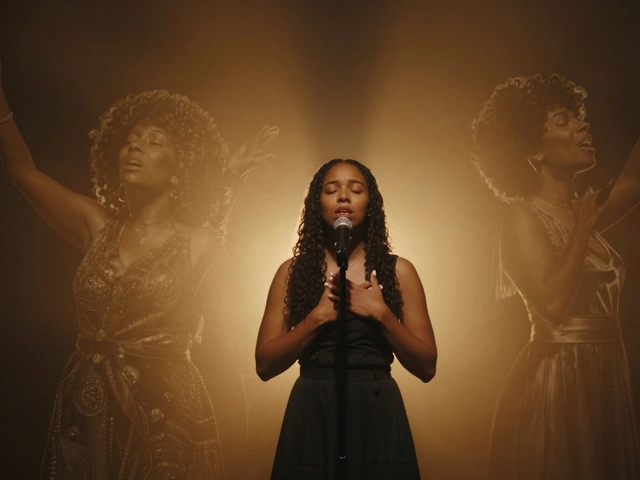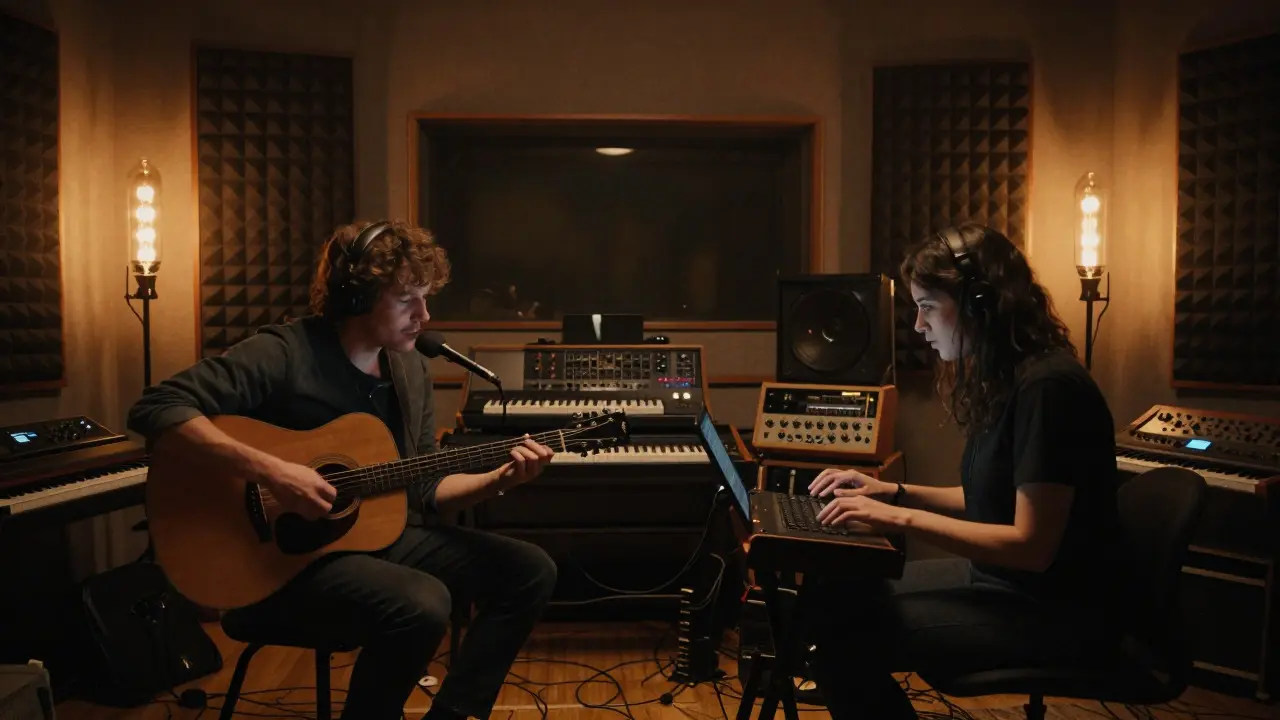
There is a specific kind of magic that happens when two artists stop trying to outshine each other and start listening. Ro James is a singer-songwriter known for his emotive vocal delivery and genre-blending approach to modern soul music. He has built a reputation for turning quiet moments into powerful statements, often stripping back production to let the voice carry the weight of the emotion. But recently, he has been stepping out of his solo comfort zone to explore something different: deep, collaborative dialogue with peers who challenge his musical instincts.
This shift culminates in his latest project, Neo-Soul Nights, which features a series of tracks paired with Alli Starr, a rising star in the contemporary R&B scene recognized for her rhythmic precision and innovative use of texture in vocals. The title itself hints at the atmosphere these songs aim to create-late-night introspection, warm lighting, and the kind of intimacy that only comes from genuine artistic trust. It isn’t just a collection of duets; it’s a study in how two distinct styles can merge without losing their individual identities.
The Alchemy of Contrast
What makes the pairing between Ro James and Alli Starr work so well is the contrast in their foundational approaches to music. Ro James tends to lean into melody and lyrical storytelling. His background in traditional songwriting means he often builds songs around a central hook or a narrative arc that unfolds over three or four minutes. He values clarity and emotional directness. If you listen to his earlier solo work, you’ll notice a consistent theme: vulnerability as a strength rather than a weakness.
Alli Starr, on the other hand, operates more in the realm of rhythm and sound design. Her influence leans heavily toward electronic textures and syncopated beats. She doesn’t always follow the standard verse-chorus structure. Instead, she might build tension through layered vocal chops or unexpected shifts in tempo. When you put these two methodologies side by side, you get a friction that sparks creativity. It’s not about one person dominating the track; it’s about finding the space where Ro’s melodic lines can float above Alli’s rhythmic foundation.
Think of it like dance. Ro is providing the steps, the direction, the story. Alli is providing the floor, the gravity, the pulse. Without both, the movement feels incomplete. This dynamic is evident in their first single together, which spent weeks in independent charts not because of heavy marketing, but because listeners felt they were witnessing a real conversation rather than a manufactured pop product.
Analyzing the Sound: Texture and Tone
To understand why these contemporary pairings resonate with audiences, you have to look at the technical execution. In the track "Midnight Echo," Ro James uses a falsetto range that is airy and delicate. This choice would typically require a sparse arrangement to avoid clutter. However, Alli Starr introduces a low-end bassline that is almost subliminal, providing a physical anchor that keeps the lightness from feeling weightless. The result is a sonic balance that feels both intimate and expansive.
Another key element is the use of silence. Both artists are comfortable with pauses. In many mainstream productions, every second is filled with noise to keep the listener engaged. Here, there are moments where the beat drops out completely, leaving only Ro’s voice and the ambient room tone. This restraint forces the listener to lean in, creating a deeper connection with the lyrics. It’s a technique borrowed from classic jazz and applied to a modern neo-soul context, proving that old-school sensibilities still have a place in contemporary music.
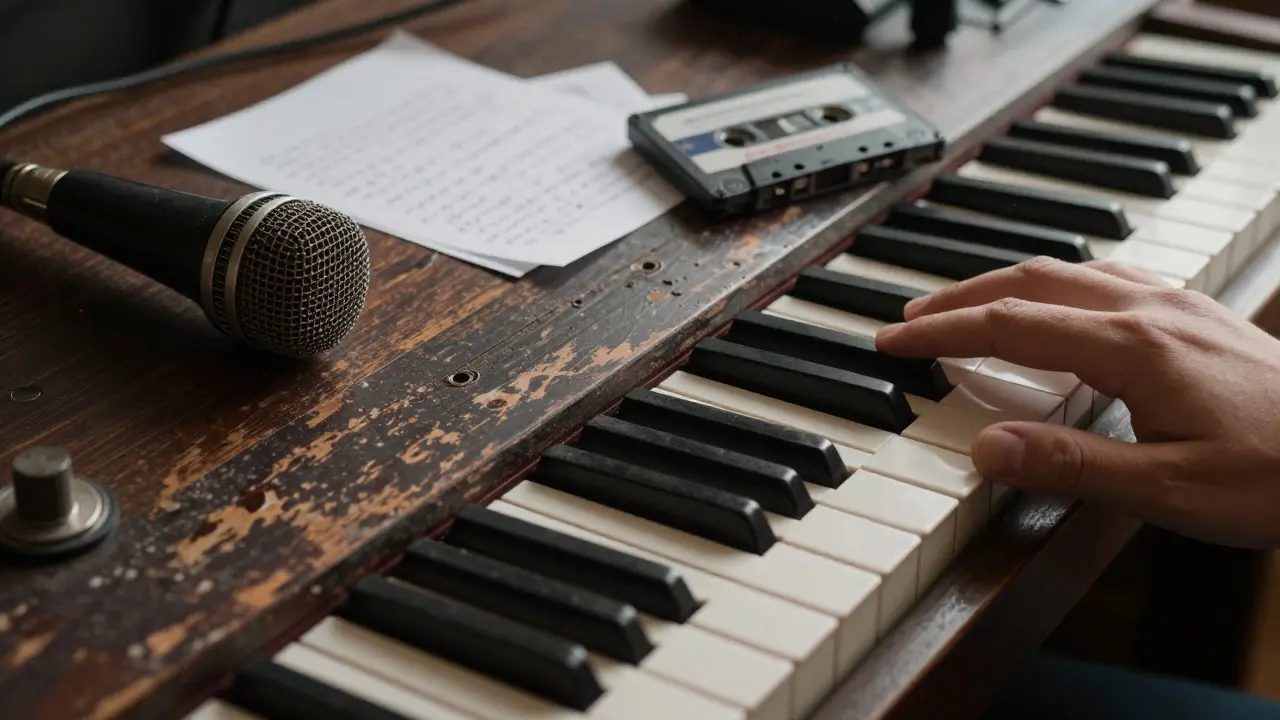
The production choices also reflect a shared aesthetic. They favor analog warmth over digital perfection. You can hear slight imperfections in the recording-the breath before a note, the subtle creak of a chair, the natural decay of a piano string. These details add humanity to the tracks. In an era where AI-generated stems can be flawless but feel cold, this commitment to organic sound sets Neo-Soul Nights apart.
The Creative Process Behind the Collaboration
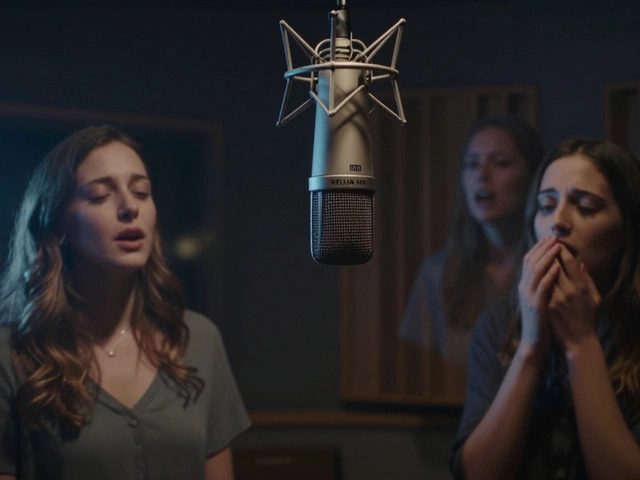
How do two artists with such different workflows actually write a song together? According to interviews with both musicians, the process started with jam sessions rather than pre-written demos. They met in a small studio in Portland, Oregon, and spent the first day just playing instruments and singing without any agenda. Ro brought his guitar; Alli brought her laptop and a sampler. The goal was to find a groove that felt natural to both of them.
They discovered that working in short bursts was more effective than long, structured writing sessions. A typical session might last only two hours, during which they would record ten or twelve rough ideas. Then, they would step away for a few days, letting the ideas marinate. When they returned, they would review the recordings and pick the one fragment that sparked the most curiosity. This iterative process allowed them to avoid forcing a fit. If a melody didn’t sit right on top of a beat, they discarded it without hesitation.
This method contrasts sharply with the industry norm, where producers often dictate the structure and artists are expected to conform. By keeping the process fluid, Ro and Alli maintained their creative autonomy. It also meant that the final tracks carried the energy of discovery. You can hear the excitement in their voices, the slight surprise when a new harmonic idea emerges. That spontaneity is what gives the album its life.

Why This Matters for Modern Music Fans
In a landscape dominated by algorithm-driven playlists and short-form content, projects like Neo-Soul Nights offer a counter-narrative. They remind us that music can still be an experience of depth and duration. The album is designed to be listened to from start to finish, not sampled in fifteen-second clips. Each track flows into the next, creating a cohesive journey that mirrors the emotional arc of a late night spent thinking and feeling.
For fans of artist collaborations, this project serves as a blueprint for what successful partnership looks like. It’s not about celebrity crossover or viral moments. It’s about mutual respect and shared vision. Ro James didn’t try to become an electronic producer, and Alli Starr didn’t try to become a traditional balladeer. They simply amplified what made each of them unique while blending those elements into something new.
This approach has implications beyond just this one album. It suggests that the future of contemporary soul music may lie in these kinds of niche, high-quality collaborations rather than mass-market hits. As streaming platforms continue to fragment, listeners are seeking curated experiences that feel personal. Projects like this cater to that desire for authenticity and artistry over sheer volume.
Practical Insights for Aspiring Collaborators
If you’re an artist looking to collaborate with someone outside your usual circle, the Ro James and Alli Starr model offers several practical takeaways. First, prioritize chemistry over clout. Don’t partner with someone just because they have a larger following. Look for someone whose strengths complement your weaknesses. If you’re strong on melody, find a partner who excels at rhythm or production. If you’re strong on visuals, find a musician who brings sonic innovation.
Second, establish clear boundaries early on. In any creative partnership, ego can be a barrier. Ro and Alli reportedly agreed upfront that no single person would have final veto power over the mix. Instead, they relied on a third-party engineer to mediate disputes. This neutral ground helped prevent creative deadlocks. For your own projects, consider bringing in an objective ear to help resolve differences in taste.
Third, allow for failure. Not every jam session will produce a hit. Some ideas will be brilliant in the moment but fall flat upon reflection. Accepting this reality frees you up to take risks. Ro and Alli threw away dozens of potential tracks to get to the final eight. That willingness to curate ruthlessly is what elevated the quality of the final product.
Comparing Approaches to Collaboration
| Aspect | Traditional Model | Contemporary Model (Ro James & Alli Starr) |
|---|---|---|
| Starting Point | Pre-written demo or producer-led concept | Open jam session and spontaneous exploration |
| Decision Making | Hierarchical (producer/label decides) | Consensus-based with neutral mediation |
| Sonic Focus | Polished, radio-ready perfection | Organic textures and intentional imperfections |
| Structure | Strict verse-chorus format | Fluid, experimental structures with varied pacing |
| Goal | Maximize commercial reach | Deepen artistic expression and listener connection |
This table highlights the fundamental shift in mindset that defines the Neo-Soul Nights project. While the traditional model aims for broad appeal through familiar structures, the contemporary model prioritizes depth through novelty. Neither is inherently better, but for fans seeking a richer auditory experience, the latter often provides more lasting satisfaction.
Frequently Asked Questions
Who are Ro James and Alli Starr?
Ro James is a singer-songwriter specializing in emotive, melody-driven soul music. Alli Starr is a contemporary R&B artist known for her rhythmic precision and textural vocal techniques. Together, they form a collaborative duo focused on blending traditional songwriting with modern electronic production.
What is the main theme of Neo-Soul Nights?
The album explores themes of late-night introspection, emotional vulnerability, and the beauty of artistic partnership. It focuses on creating an intimate atmosphere that encourages deep listening rather than passive background consumption.
How did they develop their creative process?
They began with open jam sessions without predefined structures. They recorded multiple short ideas, stepped away to let them mature, and then selected the strongest fragments for development. This iterative approach allowed for spontaneity and reduced pressure to conform to standard formats.
Why is this collaboration significant in the current music landscape?
It represents a move away from algorithm-driven, short-form content toward longer, more immersive listening experiences. By prioritizing organic sound and mutual artistic respect, it offers a model for high-quality niche collaborations that value depth over broad commercial appeal.
What can aspiring artists learn from their partnership?
Artists should prioritize chemical compatibility over follower count, establish clear decision-making protocols to avoid ego clashes, and embrace failure as part of the creative process. Curating ruthlessly and allowing time for ideas to develop are key strategies for successful collaboration.