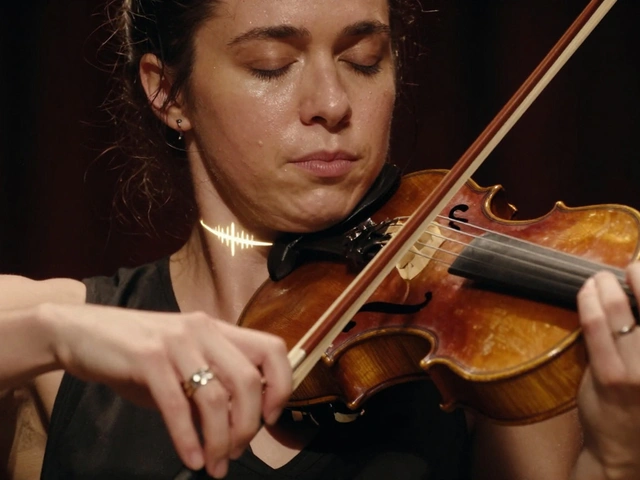
Imagine standing on the same stage where The Ohio Players is a pioneering American funk band formed in Akron, Ohio, in 1959, known for their innovative use of synthesizers and tight rhythmic grooves. Now imagine you aren’t just watching from the front row; you’re right there, filling in the gaps between lead vocals, adding harmonies that make the crowd jump. That is the reality for Alli Starr, a versatile vocalist who has carved out a niche as a high-caliber backup singer for some of the most iconic acts in modern music. Her journey isn't about chasing fame for its own sake. It is about mastering the art of supporting a legacy while making your own mark through pure musical chemistry.
For many fans, the name Alli Starr might not ring a bell immediately, but her voice has likely been the glue holding together complex arrangements in hundreds of live shows. Working with a band like The Ohio Players requires more than just hitting high notes. It demands a deep understanding of funk history, precise timing, and the ability to read a room in real-time. This experience highlights a crucial aspect of the music industry that often goes unnoticed: the backbone of any great performance is the support team. Without skilled backup singers, even the most famous leads can sound flat. Alli’s work demonstrates how technical proficiency and emotional connection merge to create something greater than the sum of its parts.
The Demands of High-Profile Backup Singing
Being a backup singer for a legendary group is not a part-time job or a casual gig. It is a full-time commitment that requires rigorous preparation. When Alli joins the lineup for The Ohio Players, she isn't just learning songs; she is studying decades of musical evolution. The band's catalog spans from early soul influences to the electronic experimentation of the late 1970s. Each track has specific vocal dynamics that must be respected to maintain the original intent while keeping the energy fresh for today's audience.
- Rhythmic Precision: Funk relies heavily on syncopation. A backup singer must lock into the drummer's pocket perfectly. If the rhythm slips, the entire groove collapses. Alli trains her ear daily to ensure her phrasing aligns with the tightest possible beat.
- Vocal Stamina: Live sets can last over two hours. Maintaining pitch accuracy and projection without losing breath control is physically demanding. It requires diaphragmatic breathing techniques and consistent warm-ups before every show.
- Adaptability: Concerts are unpredictable. Instruments break, tempos shift, and audiences react differently in different cities. A pro backup singer must adjust instantly without breaking character or flow.
This level of discipline separates a good singer from a great one. It is less about showcasing individual talent and more about serving the song. In the context of The Ohio Players, this means knowing when to stay quiet and when to push the harmony forward. It is a subtle dance that only becomes visible when it goes wrong, which is why Alli’s consistency is so valuable to the band's reputation.
Chemistry with a Legacy Act
Working with established artists comes with a unique set of challenges. You are stepping into a space defined by previous generations of musicians. For Alli, this meant immersing herself in the cultural significance of The Ohio Players. The band played a pivotal role in bringing funk to the mainstream, influencing everyone from Prince to Bruno Mars. Understanding this lineage helps Alli connect emotionally with the material. She doesn't just sing the lyrics; she sings the history behind them.
Building rapport with veteran musicians also takes time. These are people who have spent lifetimes perfecting their craft. They value respect, punctuality, and reliability above all else. Alli quickly learned that showing up prepared is half the battle. The other half is listening. On stage, non-verbal communication is key. A nod from the bandleader signals a change in intensity. A glance from the keyboardist indicates a coming bridge. Alli has honed her ability to read these cues, allowing her to blend seamlessly into the group's dynamic.
| Aspect | Solo Artist | Backup Singer (e.g., Alli Starr) |
|---|---|---|
| Primary Focus | Individual brand and narrative | Supporting the lead and enhancing the ensemble sound |
| Creative Control | High autonomy in performance style | Collaborative adherence to directorial/band vision |
| Audience Perception | Central figure of attention | Integral component of the overall sonic texture |
| Technical Requirement | Broad range of skills for versatility | Extreme precision in timing, blending, and stamina |
The Technical Side of Funk Vocals
Funk is a genre that leaves little room for error. Unlike ballads, where a slight vibrato can add emotion, funk demands crispness. Alli employs specific techniques to achieve the bright, cutting tone required for this style. She focuses on forward placement of the voice, ensuring that her notes project clearly over heavy bass lines and drum kits. This is technically difficult because the low frequencies can mask mid-range vocals if they aren't positioned correctly in the mix.
Additionally, working with synthesizers changes the vocal landscape. The Ohio Players were pioneers in using keyboards as primary instruments rather than just accompaniment. This creates dense harmonic textures. Alli has to find spaces within these textures where her voice can exist without clashing. It is like solving a puzzle in real-time. She often uses staccato phrasing and rhythmic chanting to complement the electronic elements, creating a call-and-response effect that drives the energy of the track.
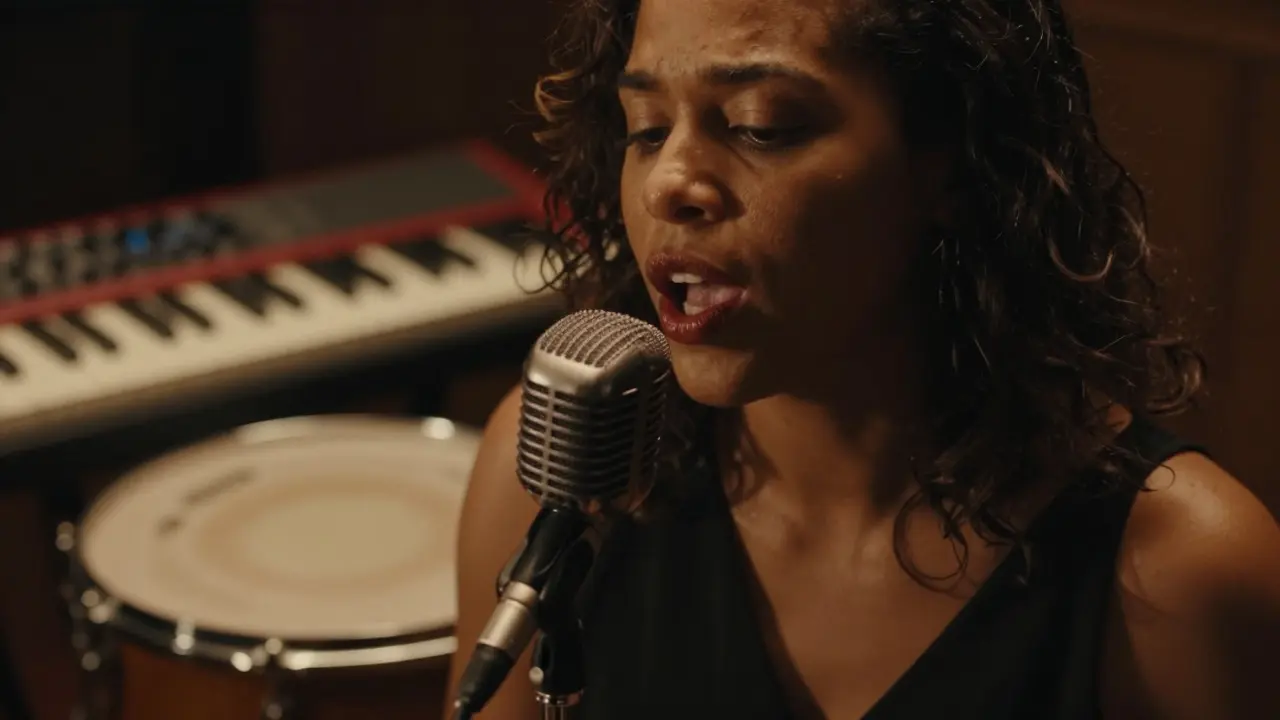
Her approach also involves careful mic technique. Standing too close to the microphone can cause distortion during loud sections, while standing too far back makes her sound distant. Over years of touring, Alli has developed an instinct for how much pressure to apply to the mic based on the volume of the surrounding instruments. This physical awareness is just as important as her vocal training.

Life on the Road: Beyond the Spotlight
The glamour of performing with a famous band is often overshadowed by the reality of life on tour. Long bus rides, unfamiliar hotels, and strict schedules are the norm. For Alli, maintaining her health and mental well-being is critical. The transition from a quiet hotel room to a roaring arena happens in minutes, requiring rapid mental shifts. She uses mindfulness techniques to stay grounded, focusing on the present moment rather than worrying about past mistakes or future shows.
Nutrition and hydration play a huge role in vocal health. Dehydrated vocal cords are prone to strain and injury. Alli follows a strict regimen of drinking water throughout the day and avoiding dairy or cold beverages before performances. This discipline ensures that her voice remains fresh from the first song to the last. It is a lifestyle choice that supports her professional longevity.
Networking is another vital aspect of the backup singer's career. Relationships built on tour can lead to future opportunities. By being reliable and easy to work with, Alli has expanded her circle of contacts in the industry. These connections often lead to new projects, whether it's recording sessions, theater productions, or tours with other major acts. The backup singer role is a gateway to diverse experiences within the music world.
Lessons from the Stage
Alli Starr’s experience with The Ohio Players offers valuable insights for aspiring musicians. First, humility is essential. Ego has no place in a backup role. Second, continuous learning is non-negotiable. Music evolves, and staying relevant requires adapting to new styles and technologies. Finally, community matters. The music industry can be isolating, but finding a supportive crew makes the journey sustainable.
Her story reminds us that greatness often comes from supporting others. While the lead singer gets the applause, the backup singer provides the foundation that makes the magic possible. For Alli, this balance is fulfilling. She finds joy in the collective effort, in the shared breath before the downbeat, and in the unified roar of the audience responding to a perfectly executed arrangement. It is a career built on passion, precision, and partnership.
What does a backup singer do for The Ohio Players?
A backup singer adds harmonies, fills rhythmic gaps, and enhances the overall sonic texture of the performance. They must match the band's tight funk grooves and provide vocal support that complements the lead vocals without overpowering them.
How difficult is it to become a backup singer for a legendary band?
It is highly competitive and requires exceptional skill. Candidates need strong vocal stamina, precise rhythmic timing, and the ability to adapt quickly to different musical contexts. Building trust with veteran musicians also takes time and consistent professionalism.
What specific skills are needed for funk backup vocals?
Funk backup vocals require crisp articulation, strong rhythmic sense, and the ability to project over heavy instrumentation. Singers must master techniques for forward voice placement and maintain pitch accuracy during long, high-energy sets.
Does working with The Ohio Players help Alli's solo career?
Yes, exposure to a large audience and networking with industry professionals can open doors for solo projects. However, the primary focus remains on supporting the band, with solo opportunities arising naturally from the visibility and relationships gained.
What is the biggest challenge of touring as a backup singer?
Maintaining vocal health and mental balance while dealing with irregular sleep schedules, travel fatigue, and the pressure to perform flawlessly night after night. Consistent self-care routines are essential to prevent burnout and injury.