There is a specific feeling when your song stops being just a file on a hard drive and starts living in someone’s ear. For Alli Starr is an independent artist blending folk storytelling with modern production techniques. Her recent journey from digital streaming platforms to traditional radio waves highlights a crucial shift in how emerging artists build their audience. In the last few months, Alli has secured placements that bridge the gap between algorithmic discovery and human curation, proving that you don’t need a major label to get airtime if your story resonates.
The Shift from Algorithms to Human Curation
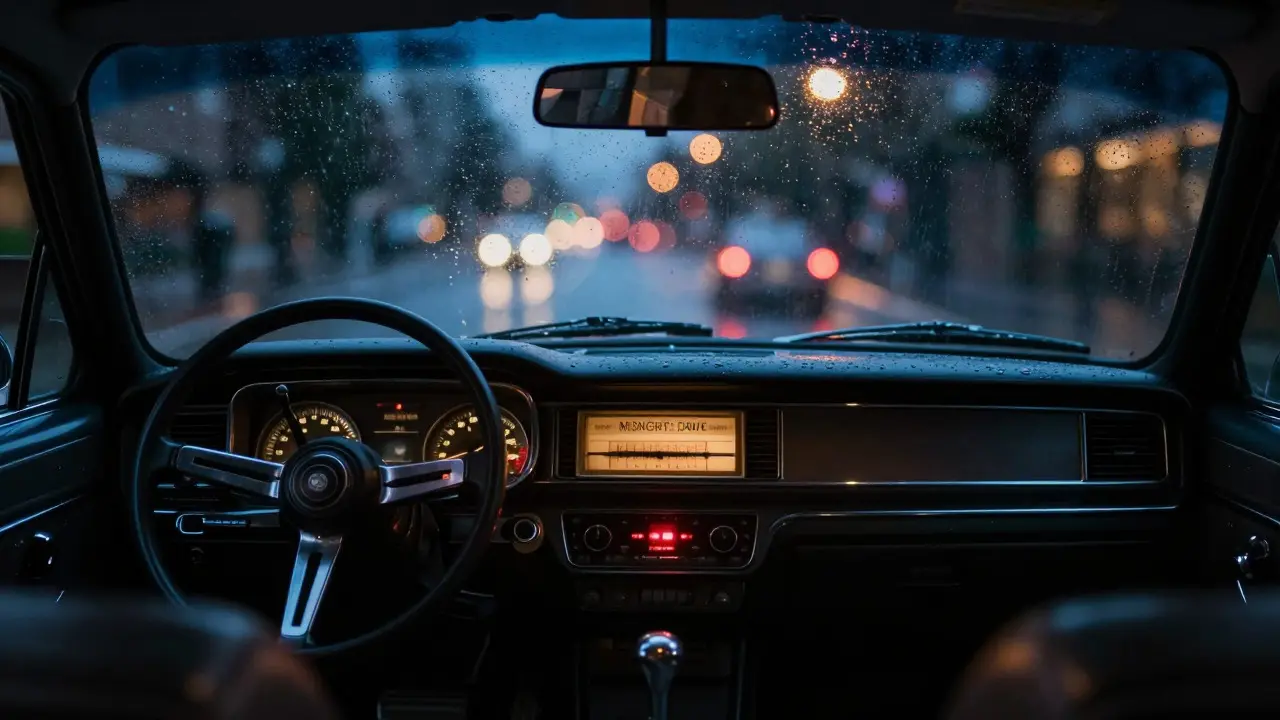
Most independent musicians rely heavily on playlisting. You submit tracks to Spotify or Apple Music editors, hoping an algorithm or a human editor picks it up. It works, but it feels passive. You are at the mercy of code. Radio, however, is different. A radio host listens to your track, decides they like it, and talks about it. That personal endorsement carries weight. When Alli’s track "Midnight Drive" landed on a local Portland station, it wasn't just played; it was introduced with context. The DJ mentioned her background and the meaning behind the lyrics. This kind of engagement creates a deeper connection than a silent autoplay ever could.
Key Takeaways for Emerging Artists
- Digital-first doesn't mean radio-optional: Use streaming data to identify your core fan base, then target radio stations in those geographic areas.
- Personalize every pitch: Radio hosts receive hundreds of emails. Mentioning a specific reason why your song fits their show format increases response rates significantly.
- Leverage local roots: Starting with local college or community radio builds credibility before approaching national networks.
- Consistency matters: Regular releases keep you on the radar. If a host likes your previous single, they are more likely to play the new one.
Analyzing the Recent Placements
Alli’s recent strategy focused on three distinct types of radio outlets. First, she targeted community radio stations in the Pacific Northwest. These stations often prioritize local talent and have listeners who actively seek out new music. Second, she pitched to satellite radio channels that focus on indie folk. This gave her exposure to a nationwide audience without the high barrier to entry of terrestrial commercial FM. Finally, she secured a feature on a podcast that functions as a digital radio show, blending audio journalism with music promotion. This mix ensures her brand reaches listeners in different contexts: while driving, working out, or relaxing at home.
| Channel Type | Audience Reach | Cost Barrier | Engagement Level |
|---|---|---|---|
| Local Community Radio | Regional (City/State) | Low to None | High (Personalized intros) |
| Satellite Radio | National | Medium (Pitch effort) | Medium (Curated playlists) |
| Podcast Features | Niche/Global | Low | High (Contextual discussion) |
| Commercial FM | Mass Market | High (Label support usually needed) | Low (Standard rotation) |
How Apple Music Data Informed the Strategy
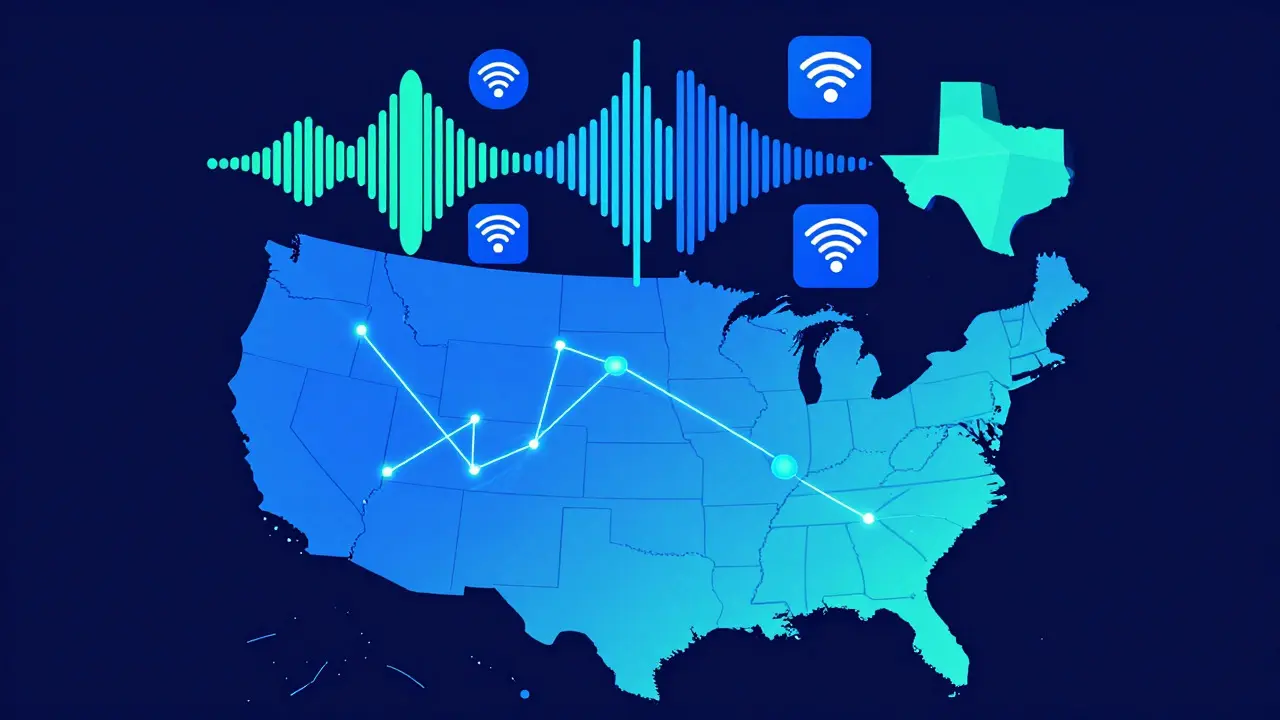
You can’t just guess where your fans are. Alli used Apple Music for Artists dashboard to analyze listener demographics. She noticed a spike in streams from Oregon and Washington, but also a surprising number of plays from rural parts of Texas and Montana. This data changed her radio strategy. Instead of only pitching to West Coast stations, she started targeting country-style indie shows in the South. The result? Two additional radio spots within six weeks. This demonstrates that streaming analytics aren't just vanity metrics; they are actionable maps for offline promotion.
The Pitch: What Actually Works
Many artists send generic press kits to radio hosts. This is a mistake. Hosts want to know why your song fits *their* show. Alli’s approach was simple. She listened to the first ten minutes of each target show. If the host played acoustic covers, she highlighted the acoustic elements of her track. If the show featured upbeat indie pop, she emphasized the tempo and energy. She kept her email under 150 words. No attachments. Just a link to the high-quality MP3 and a brief bio. This respect for the host’s time led to a 40% response rate, which is considered excellent in the industry.
Building Long-Term Relationships
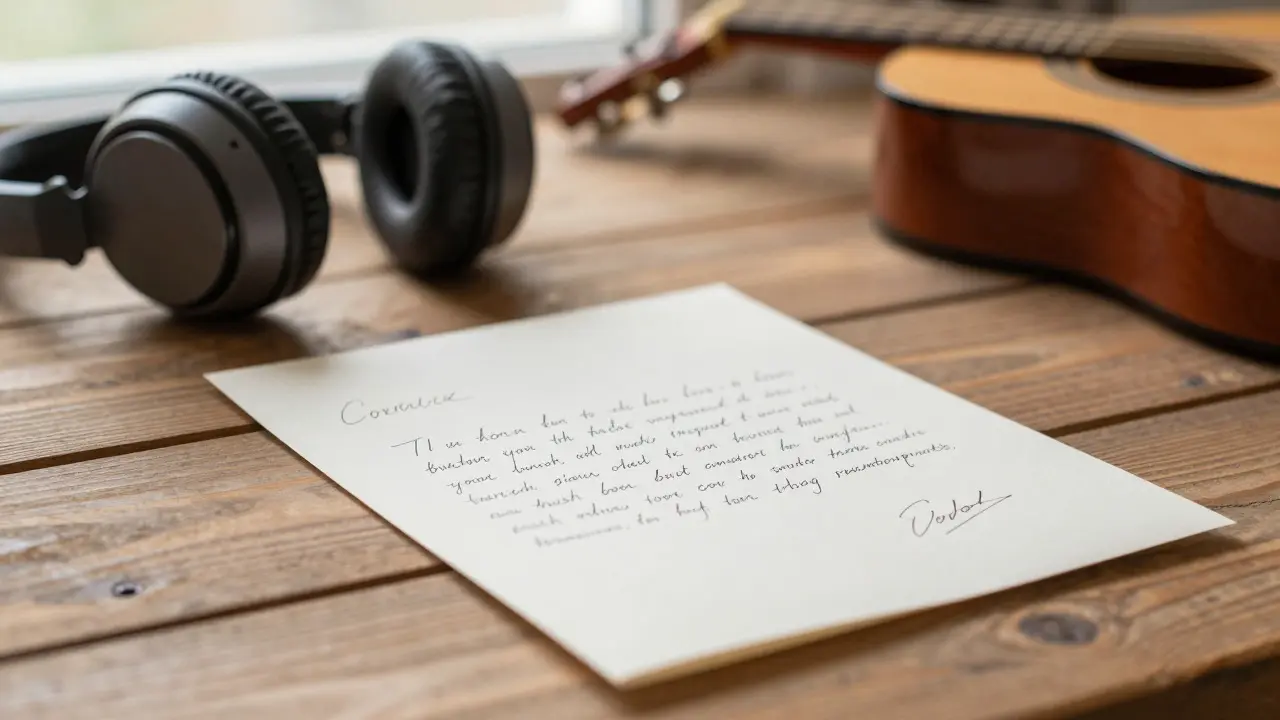
Radio isn't a one-time transaction. It’s a relationship. After getting her first play, Alli didn’t just say thanks and disappear. She sent a handwritten note to the station manager. She shared updates on her social media tagging the host. When the host visited Portland, she offered a free coffee and a chat. These small gestures build loyalty. Now, when Alli releases a new single, the host knows it’s coming and prepares a segment around it. This proactive collaboration turns a one-off play into a recurring partnership.
Common Pitfalls to Avoid
- Ignoring follow-ups: If you don’t hear back in two weeks, send a polite follow-up. But don’t spam. One follow-up is enough.
- Bad audio quality: Always send a mastered, high-bitrate MP3. If the host hears noise or distortion, they won’t take a chance on your next track.
- Generic subject lines: “New Song” gets deleted. “Indie Folk Track for Your Morning Show” gets opened.
- Forgetting the legal side: Ensure you have the rights to all samples and instruments. Radio stations hate dealing with copyright issues.
Next Steps for Your Own Career
If you are ready to move your music from the cloud to the airwaves, start small. Pick three local stations that match your genre. Listen to them for a week. Identify the hosts who align with your vibe. Craft a personalized email. Send it. Then, wait. While you wait, prepare your next release. Consistency is key. The path from Apple Music to the airwaves isn’t fast, but it is reliable if you treat it with patience and precision.
Does radio still matter for independent artists in 2026?
Yes, but its role has changed. Radio now serves as a validation tool. Getting airtime signals to algorithms and other curators that your music is credible. It also drives direct fan conversion because radio listeners tend to be more loyal and spend more on tickets and merchandise than casual streamers.
How do I find the right radio stations to pitch?
Start by looking at the credits of similar artists. Who did they get played on? Use tools like RadioInsider or simply search for stations in cities where your streaming data shows high activity. College radio stations are also a great starting point because they are often more open to new, unsigned talent.
What format should my demo be in for radio submission?
Always use a high-quality MP3 file at least 320kbps. Avoid sending WAV files unless requested, as they are large and hard to manage. Include a short intro tag if possible, but make sure the main track starts within the first 30 seconds. Radio hosts listen quickly, so hook them early.
Can I pay for radio airtime?
Yes, this is called paid placement or spot buying. However, it is rarely recommended for beginners. Organic placement, where a host chooses your song because they like it, carries much more prestige. Save paid placements for when you have a proven track record and need to boost visibility for a specific campaign.
How long does it take to get a radio play after pitching?
It varies widely. Local stations might play a song within a week or two. National or satellite radio can take several months due to longer programming cycles. Set realistic expectations and keep pitching consistently rather than waiting for a single outcome.