Most people assume that professional singers are born with a golden voice. They think it’s magic. But if you look at the career of Alli Starr, a rising American pop artist known for her dynamic live performances and disciplined vocal technique, you see something different. You see structure. You see years of deliberate practice in specific environments designed to build technical precision before artistic expression.
The journey from a child singing in a community room to standing under stadium lights is not a straight line. It is a pipeline. And understanding how that pipeline works reveals why some artists burn out while others sustain careers for decades. This isn't just about talent; it's about the infrastructure of musical development.
The Foundation: Why Youth Choirs Matter More Than You Think
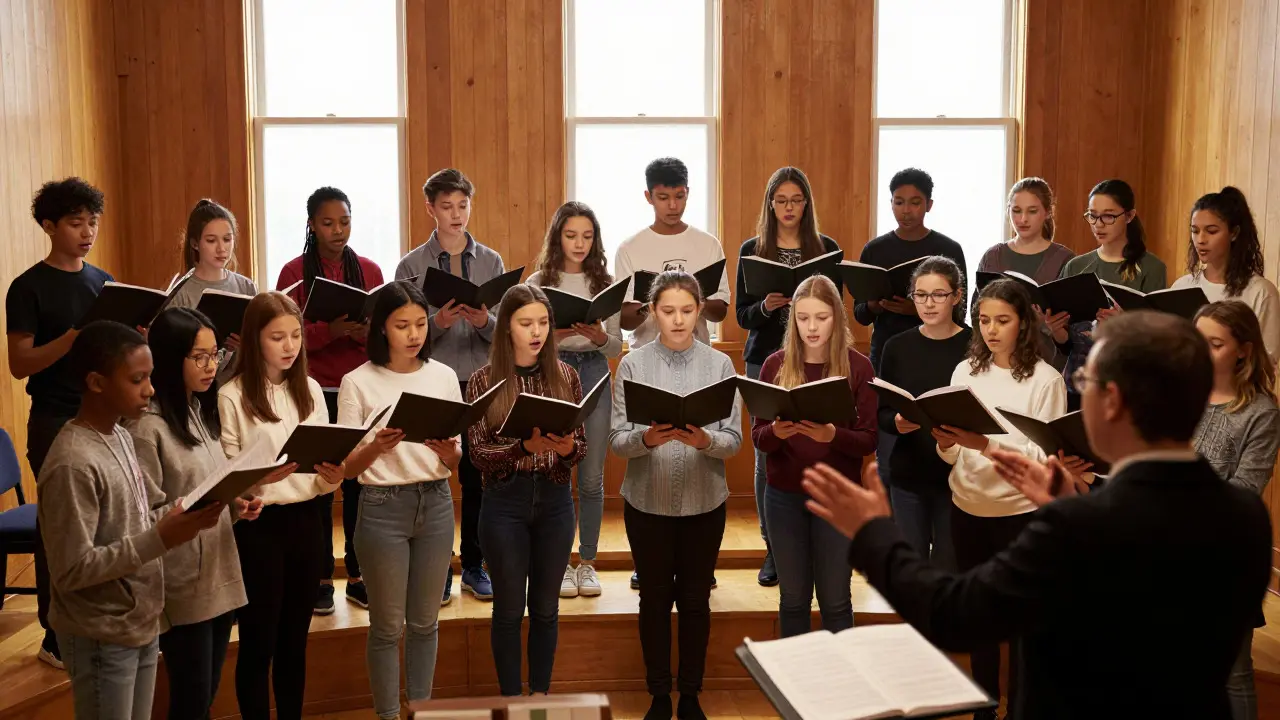
Before the solo spotlight, there is the group. For many classically trained or early-developing vocalists, the Youth Choir serves as the primary laboratory for vocal health and discipline. In these settings, young singers learn breath control, pitch accuracy, and ensemble listening long before they worry about stage presence or marketing.
Unlike private lessons, which focus on individual technique, choirs teach collaboration. A singer learns to blend their tone with others, to adjust volume dynamically, and to follow a conductor’s cues. These skills are often missing in self-taught pop artists who struggle with consistency later in their careers. The choir environment forces a level of accountability that solo practice rarely demands. If you miss a note in a choir, the harmony collapses. That immediate feedback loop is critical for building muscle memory.
- Breath Support: Learning diaphragmatic breathing through sustained phrases.
- Pitch Accuracy: Tuning against other voices rather than just a piano.
- Dynamic Control: Practicing pianissimo (very soft) and fortissimo (very loud) transitions.