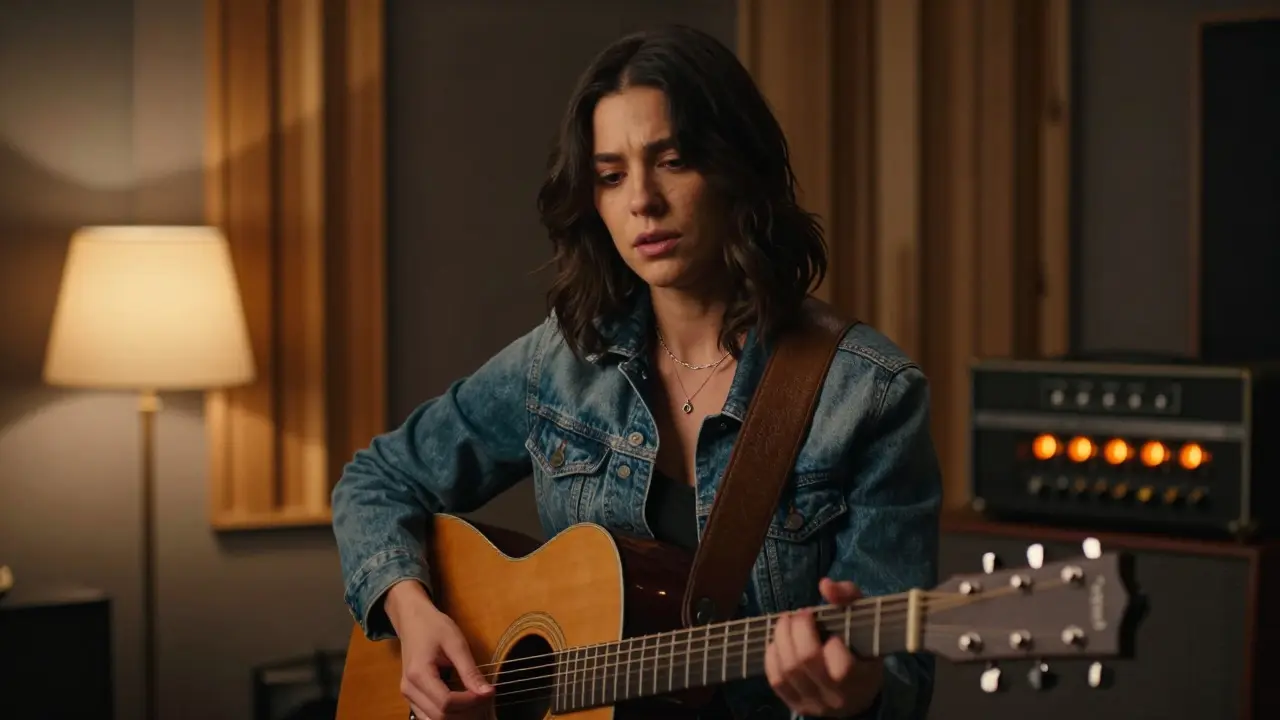
Imagine a sound that starts with the raw grit of a garage band but suddenly shifts into the atmospheric haze of an indie electronic track. That is exactly what Alli Starr is doing right now. She isn't just playing songs; she is building bridges between genres that usually stay in their own lanes. By teaming up with artists from completely different backgrounds, Starr is creating a new kind of listening experience that keeps fans guessing.
Her recent work focuses heavily on artist collaborations. These aren't just guest verses added for marketing value. They are deep structural experiments where two distinct musical identities merge to create something neither could do alone. The result? A catalog that feels fresh, unpredictable, and surprisingly cohesive despite the wild swings in style.
The Core Sound: Defining the Starr Methodology
To understand why these pairings work, you have to look at Starr's baseline. Her solo work sits firmly in the alternative rock sphere, characterized by dynamic shifts and emotional intensity. But she doesn't stick to one mold. When she collaborates, she brings a specific set of tools: a strong melodic sense, a preference for organic instrumentation, and a willingness to let silence speak as loudly as noise.
This approach allows her to act as a chameleon in the studio. If she works with a punk-influenced band, she adds texture. If she works with a synth-heavy producer, she adds soul. This flexibility is rare in today's industry, where artists often brand themselves so tightly that they can't step outside their box without confusing their audience. Starr flips this script. She uses genre fusion not as a gimmick, but as a creative engine.
Case Study: The Rock Partnership
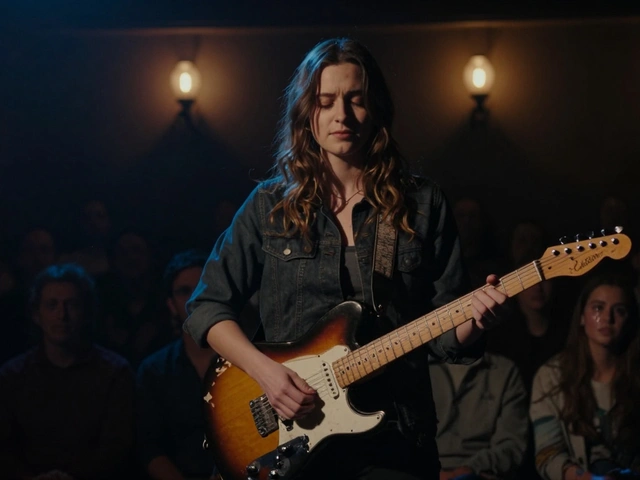
One of the most talked-about experiments involved a partnership with a traditional rock outfit known for heavy riffs and loud amplifiers. On paper, it seemed like a mismatch. Starr's voice is nuanced, while the band's energy was explosive. But the collaboration produced a track that redefined both sounds. The song started with a stripped-back acoustic intro, letting Starr's vocal performance take center stage. Then, the band kicked in, but instead of drowning out the vocals, they wove around them.
The key here was production. The engineers used sidechain compression to make space for the guitar leads without losing the warmth of the live recording. This technical detail highlights how music production techniques can elevate a simple concept into a polished hit. The result was a song that appealed to rock purists who wanted power, and alternative listeners who wanted depth. It proved that loudness doesn't have to mean lack of subtlety.
Case Study: The Alternative Electronic Crossover
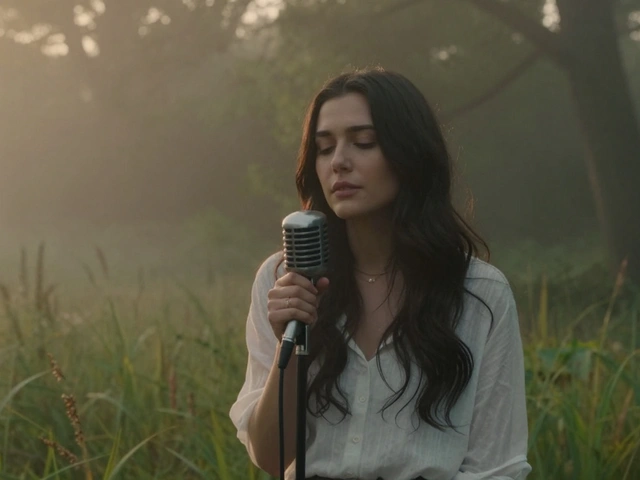
On the other end of the spectrum, Starr teamed up with a producer specializing in ambient and electronic textures. This project leaned into the darker, more introspective side of alternative music. There were no drums in the traditional sense. Instead, the rhythm came from programmed beats and pulsing synthesizers. Starr's role shifted from frontwoman to textural element. Her vocals were layered, reversed, and processed until they became almost instrumental themselves.
This experiment challenged the definition of a "rock" singer. Critics initially questioned if she had lost her edge. But the track became a staple in late-night radio playlists and film soundtracks. It showed that an artist's identity can expand when they trust the process. The collaboration demonstrated that creative risk often pays off in unexpected markets. You don't need a drum kit to drive a song forward; you just need emotion and timing.

Why These Pairings Matter to Fans
For the average listener, these collaborations offer a gateway. If you love rock, you get introduced to electronic textures through a familiar lens. If you prefer chill alternative vibes, you get exposed to the energy of rock dynamics. This cross-pollination helps break down echo chambers. It encourages fans to explore new corners of the music world without feeling like they are leaving their comfort zone entirely.
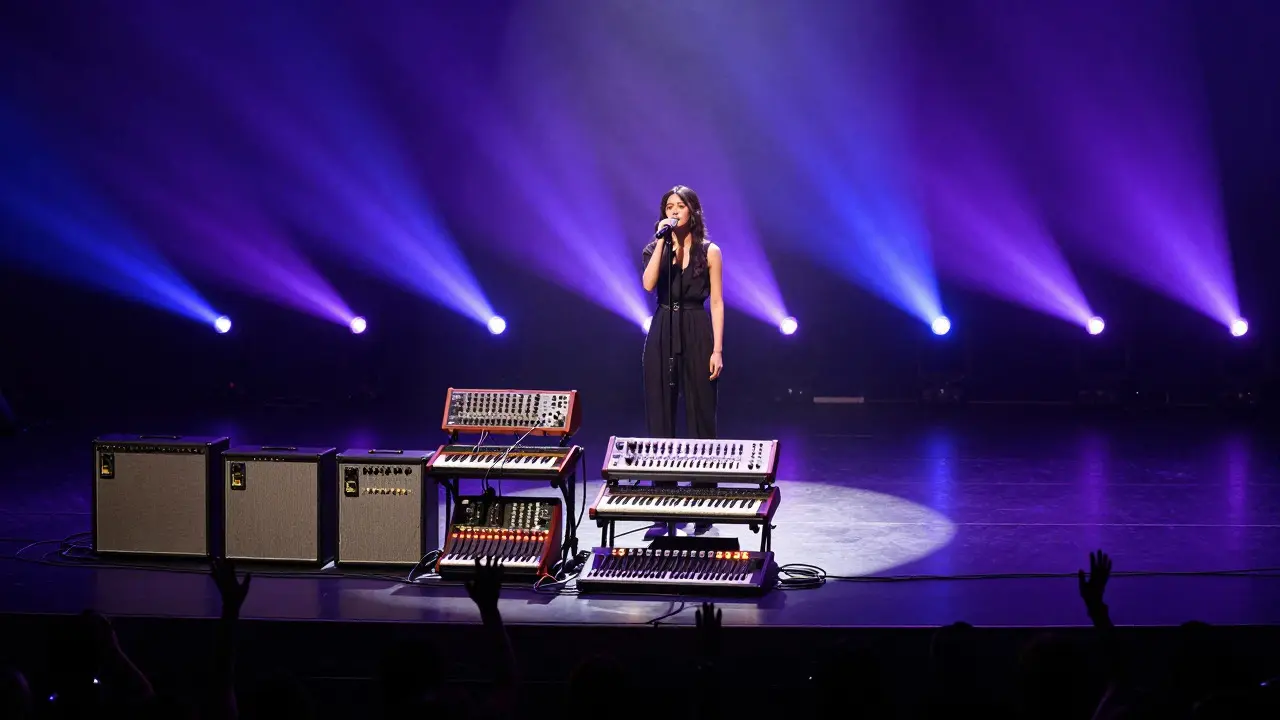
Moreover, these projects often lead to live performances that are visually and sonically striking. Imagine a stage setup where analog synthesizers sit next to vintage amplifiers. The visual contrast mirrors the audio blend. This theatrical element enhances the live music experience, making concerts feel like immersive art installations rather than just gigs. Fans leave not just having heard a song, but having witnessed a transformation.
Lessons for Emerging Artists
If you are an artist looking to grow your audience, Starr's playbook offers valuable insights. First, choose collaborators who complement your weaknesses, not just your strengths. If you are great at melody but weak at rhythm, find a rhythmic powerhouse. Second, define the rules of engagement early. In the studio, ambiguity kills momentum. Agree on the sonic goal before hitting record. Third, be willing to compromise. Your signature sound might need to be diluted slightly to make room for your partner's voice. This isn't selling out; it's evolving.
Finally, document the process. Sharing behind-the-scenes content about how the collaboration unfolded builds a narrative around the release. Fans love understanding the "why" behind the music. It turns a single track into a story, increasing engagement and shareability. This strategy aligns with modern digital marketing strategies for musicians, where storytelling is as important as the product itself.
Comparing the Approaches
Let's look at the data side of things. How do these two types of collaborations differ in terms of audience reception and commercial viability?
| Attribute | Rock Partnership | Electronic Crossover |
|---|---|---|
| Primary Instrumentation | Guitars, Drums, Bass | Synthesizers, Drum Machines |
| Vocal Treatment | Raw, Live, Dynamic | Processed, Layered, Textural |
| Target Audience | Traditional Rock Fans | Indie/Electronic Listeners |
| Live Performance Style | High Energy, Band-Centric | Atmospheric, Visual-Focused |
| Production Complexity | Moderate (Mixing Focus) | High (Sound Design Focus) |
Frequently Asked Questions
Who is Alli Starr?
Alli Starr is a musician known for her work in the alternative rock scene. She is recognized for her ability to blend organic instrumentation with experimental production techniques, often collaborating with artists from diverse genres to create unique sonic landscapes.
What defines a genre-spanning collaboration?
A genre-spanning collaboration involves artists from different musical backgrounds working together to create a piece that incorporates elements from both styles. Unlike standard features, these projects often involve significant changes to structure, production, and performance style to achieve a true fusion.
How does Alli Starr balance her solo identity with collaborative work?
Starr balances her identity by maintaining a consistent thematic focus on emotional authenticity. While the sounds may change, the lyrical content and vocal delivery remain recognizable. She views collaborations as extensions of her artistic journey rather than departures from it.
Are these collaborations commercially successful?
Yes, several of her genre-bending tracks have charted on independent music lists and received airplay on both rock and electronic stations. The success suggests that audiences are receptive to well-executed genre fusions, particularly when the core emotional hook remains strong.
What advice does Alli Starr have for artists wanting to collaborate across genres?
Her primary advice is to listen deeply to your collaborator's work before entering the studio. Understand their strengths and weaknesses. Approach the session with an open mind and be prepared to compromise on certain stylistic choices to ensure the final product serves the song, not just the ego.