You’ve got the track. You’ve got the vision. But how do you get from a scribbled note on a napkin to the polished music video that drops on YouTube and TikTok? For many artists, this gap is where projects die. Budgets vanish, directors ghost, and the final product looks nothing like the dream.
Alli Starr offers a different blueprint. Her approach to visual storytelling isn’t just about looking good; it’s about maintaining artistic control through every single frame. Whether you’re an independent artist or part of a label team, understanding her workflow can save you months of headaches. This isn’t theory. It’s a practical breakdown of how she moves from concept notes to the final cut without losing her soul-or her sanity.
The Pre-Production Mindset
Most people think pre-production starts with hiring a director. Wrong. It starts with defining the "why." Alli Starr insists that before a single camera is rented, you need a clear emotional anchor. What does the song make you feel? Anger? Nostalgia? Confusion?
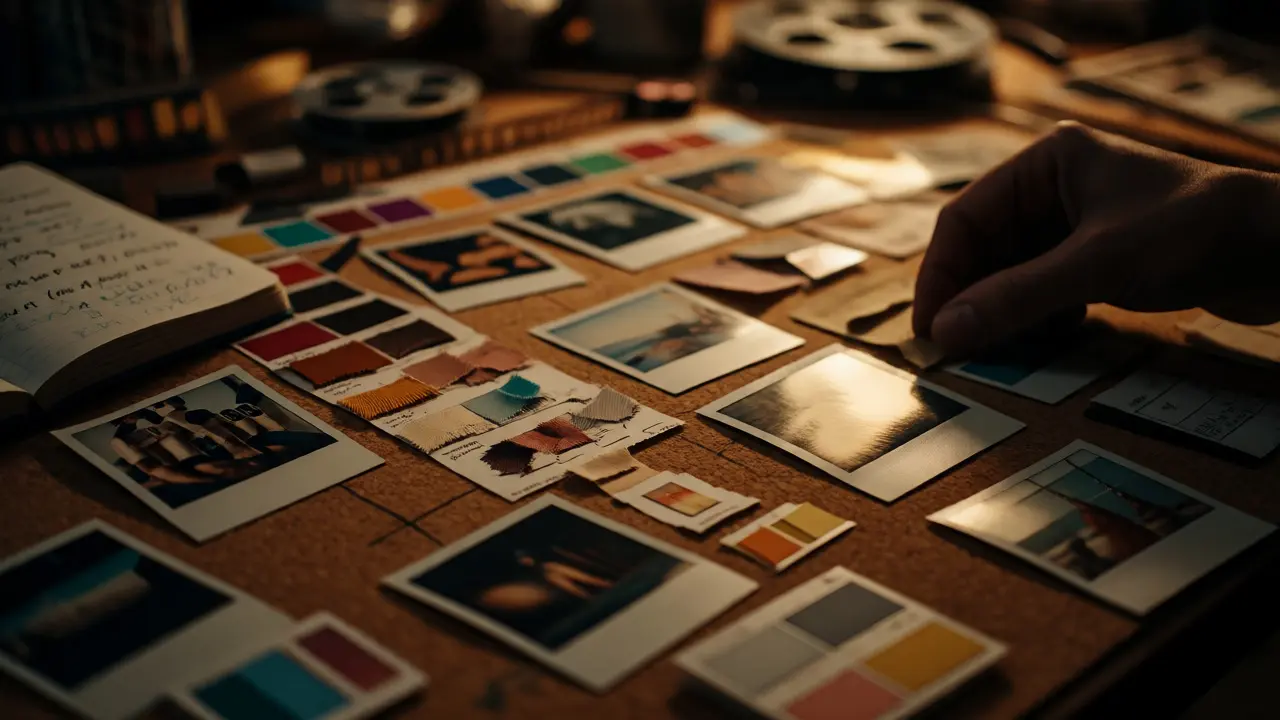
She uses a technique called "Mood Mapping." Instead of writing a full script immediately, she creates a collage of images, color palettes, and film references. Think of it as a visual playlist. If the song is gritty and raw, the mood board might include scenes from *Euphoria* or grainy 90s home videos. If it’s ethereal, maybe it’s Wes Anderson symmetry mixed with underwater photography.
- Identify the Core Emotion: One word. That’s your north star.
- Gather Visual References: Screenshots, paintings, fashion editorials.
- Define the Color Palette: Hex codes matter. They dictate lighting and grading later.
This stage prevents the classic mistake: vague direction. When you hand a director a mood board instead of a shot list, you give them creative freedom within strict boundaries. It’s collaborative, not dictatorial.
Selecting the Right Creative Partner
Once the vision is locked, you need someone who speaks your language. Alli Starr doesn’t hire based on portfolio polish alone. She looks for alignment in taste. A director might have beautiful cinematography, but if their aesthetic clashes with your brand, the project will feel disjointed.
Her vetting process involves a "test shoot" or a detailed pitch deck review. She asks specific questions:
- How do you handle improvisation on set?
- What is your experience with post-production color grading?
- Can you show me three projects where you had to pivot due to budget constraints?
These answers reveal problem-solving skills, which are often more valuable than pure artistic flair. The right partner understands that the video serves the song, not the other way around. They respect the artist’s voice while bringing technical expertise to the table.
| Criterion | Red Flag | Green Flag |
|---|---|---|
| Communication | Uses jargon to confuse | Asks clarifying questions |
| Vision Alignment | Pushes personal style over song | Adapts style to narrative |
| Budget Management | No contingency plan | Transparent cost breakdown |
The Shoot Day Protocol
On set, chaos is the enemy. Alli Starr’s rule is simple: stick to the plan, but stay flexible. She treats the shoot day like a military operation with an artistic heart. Every hour costs money, so efficiency is key.
She employs a "Shot List Priority System." Not all shots are created equal. There are "Must-Haves" (performance shots, key narrative beats) and "Nice-to-Haves" (b-roll, experimental angles). If time runs short, you cut the nice-to-haves first. Never sacrifice the core story for pretty visuals.
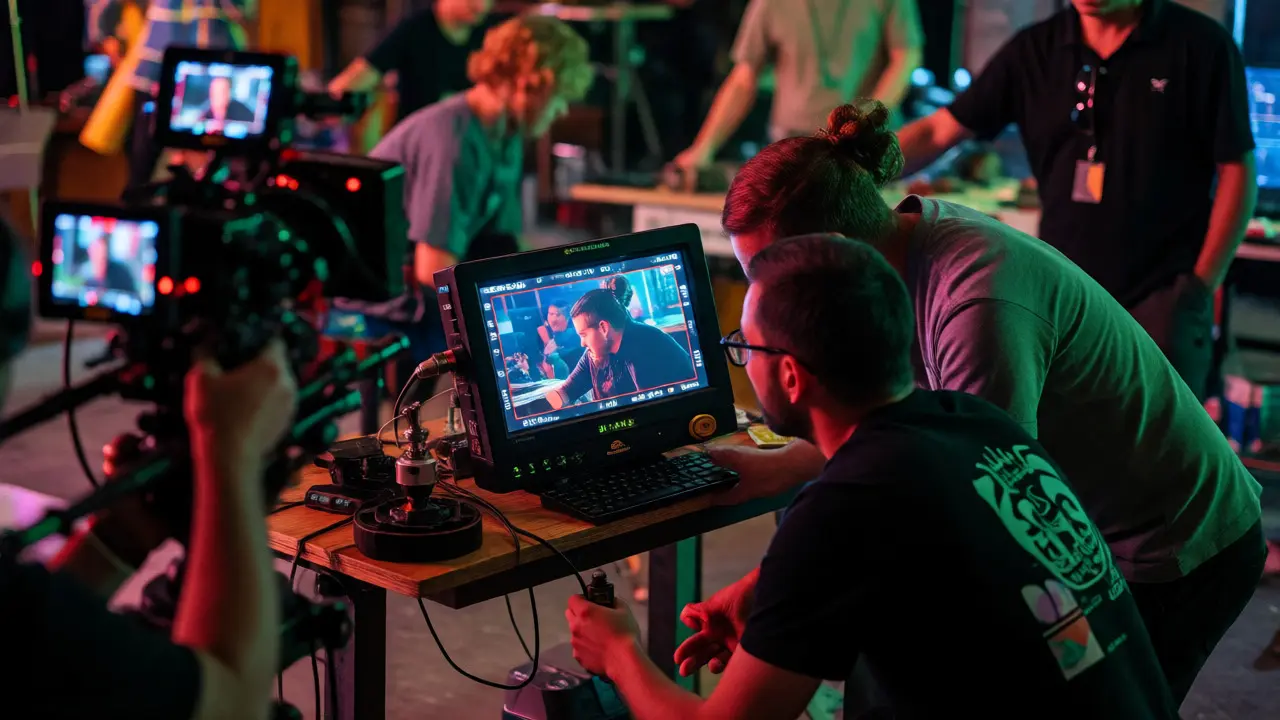
Another critical aspect is monitoring. Alli always reviews footage on set. Waiting until post-production to realize a shot was out of focus or poorly lit is a costly error. She uses calibrated monitors to check exposure and color balance in real-time. This immediate feedback loop allows for instant corrections, saving hours in editing later.
Post-Production: The Edit Suite Dynamics
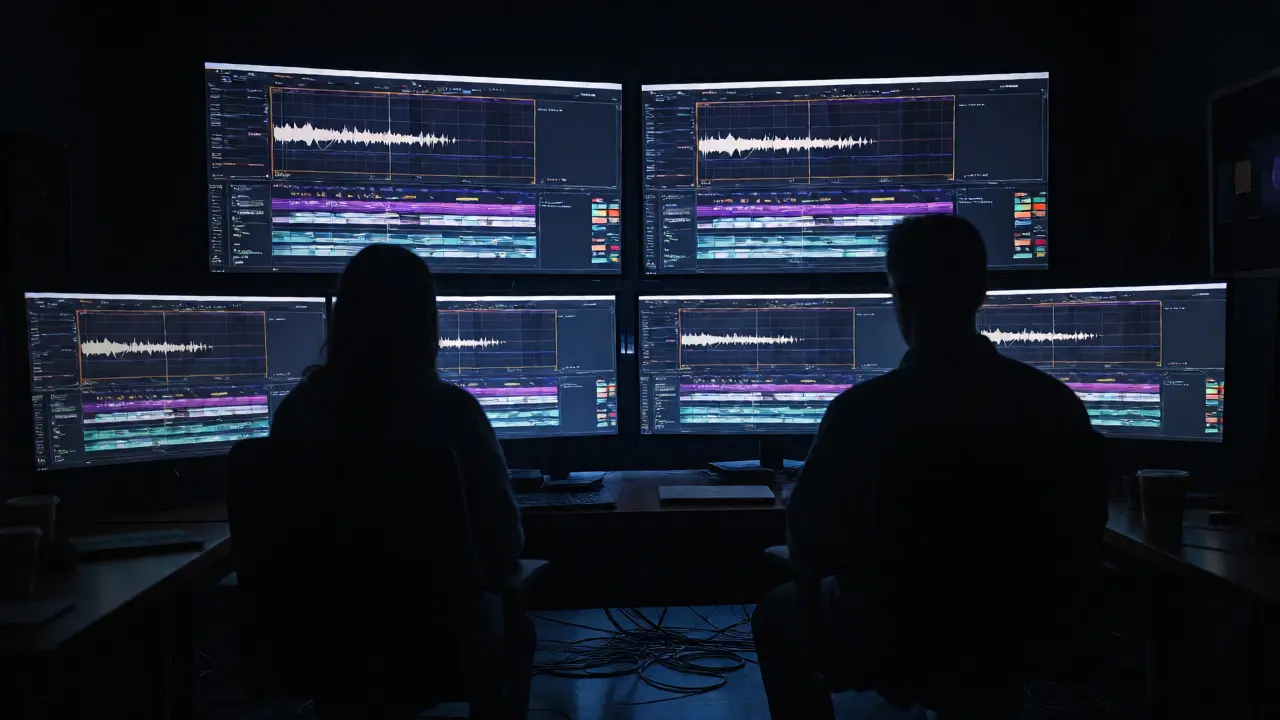
The edit is where the video is truly made. Many artists fear this stage because they feel powerless. Alli Starr flips the script by establishing clear approval checkpoints early on.
Instead of waiting for a final cut, she requests edits at three stages:
- Rough Cut: Structure and pacing. Does the story flow? Is the energy right?
- Fine Cut: Timing and sync. Are the cuts hitting on the beat? Are transitions smooth?
- Color Grade: Mood and atmosphere. Does it match the original mood board?
This iterative process prevents major rewrites at the end. If the rough cut feels flat, you fix the structure then. If you wait until the color grade, changing the structure means redoing the grade-a nightmare for editors and budgets alike.
Collaboration here is vital. Listen to the editor’s instincts. They see patterns you might miss. But remember, you are the client. If something doesn’t feel right emotionally, speak up. Technical perfection means nothing if the vibe is off.
Finalizing and Distribution Strategy
The final cut is ready. Now what? Alli Starr emphasizes that distribution starts during production. Teasers should be planned weeks in advance. Behind-the-scenes content shouldn’t be an afterthought; it should be captured intentionally during the shoot.
She coordinates with social media managers to ensure assets are formatted correctly for each platform. A vertical crop for TikTok isn’t just a resized horizontal video; it’s a different composition. Planning this early ensures the final master file supports multiple formats without compromising quality.
Finally, release timing matters. Dropping a video on a random Tuesday won’t move the needle. Align the release with streaming playlists, press features, or live shows. The video is a marketing tool, not just art. Treat it with the same strategic rigor as your album rollout.
Common Pitfalls to Avoid
Even with a solid process, things go wrong. Here are the most common traps artists fall into, according to Alli Starr’s experience:
- Scope Creep: Adding new ideas mid-shoot without adjusting the budget. Stick to the plan unless it’s a genuine emergency.
- Ignoring Audio Sync: Lip-sync issues kill credibility. Use playback tracks on set and double-check sync in the edit.
- Over-Editing: Too many effects distract from the performance. Less is often more. Let the artist shine.
Avoiding these mistakes requires discipline. It’s easy to get excited and say "yes" to everything. But saying "no" protects the integrity of the project.
Why This Process Works
Alli Starr’s method works because it balances creativity with structure. Artists often resist processes, fearing they’ll stifle inspiration. But constraints actually fuel creativity. When you know your boundaries-budget, time, emotion-you can innovate within them effectively.
This framework reduces anxiety. Knowing there’s a clear path from concept to final cut allows you to focus on performing and connecting with your audience. It turns a chaotic gamble into a predictable business process.
Whether you’re working with a big budget or shooting on a smartphone, the principles remain the same. Define the vision, choose the right partners, monitor progress, and iterate carefully. Your next video doesn’t have to be a disaster. It can be a masterpiece.
Do I need a professional director for my first music video?
Not necessarily. If you have a strong visual sense and a capable videographer, you can direct yourself. However, a professional brings objectivity and technical expertise that prevent common beginner mistakes. Alli Starr suggests starting with a small test shoot to gauge compatibility before committing to a full production.
How much should I budget for post-production?
A general rule of thumb is to allocate 20-30% of your total budget to post-production. This covers editing, color grading, VFX, and sound design. Under-budgeting here often results in a rushed final product that lacks polish and emotional impact.
What if the director and I disagree on the edit?
Disagreements are normal. Refer back to your initial mood board and core emotion statement. If the director’s choice enhances the emotional impact, trust them. If it detracts from the artist’s vision, advocate for change. Clear communication and predefined approval checkpoints help resolve conflicts efficiently.
Can I use AI tools in the approval process?
Yes, AI can assist with tasks like rotoscoping, background removal, or generating alternative color grades. However, human oversight remains crucial for creative decisions. AI speeds up technical workflows but cannot replace the nuanced emotional judgment required in the final cut.
How long does the entire process take?
For a standard independent music video, expect 4-8 weeks from concept to final delivery. This includes 1-2 weeks for pre-production, 1 day for shooting, and 2-4 weeks for post-production. Complex narratives or heavy VFX can extend this timeline significantly.