You walk into a venue expecting noise, sweat, and maybe some strobe lights. Instead, you get silence. Not the awkward kind where everyone checks their phones, but a heavy, deliberate quiet that feels like walking into a room where something important just ended. This is the signature move of Alli Starr, an artist who treats her live shows less like concerts and more like ritualistic experiences influenced by mortuary science principles. It’s not morbid; it’s meticulous. If you’ve ever wondered why certain performances stick with you long after the encore, look no further than how Starr designs space, light, and stillness.
Most performers rely on volume to command attention. They shout over the crowd, they jump, they sweat. Alli Starr does the opposite. She uses what we might call "mortuary sensibilities"-a term borrowed from the careful, respectful handling of spaces and bodies in funeral services-to curate an atmosphere of profound reverence. This isn’t about death itself, but about the dignity of transition. In mortuary science, every detail matters, from the temperature of the room to the angle of the lighting. Starr applies this same rigor to her stage design, creating environments that feel sacred rather than commercial.
The Architecture of Silence
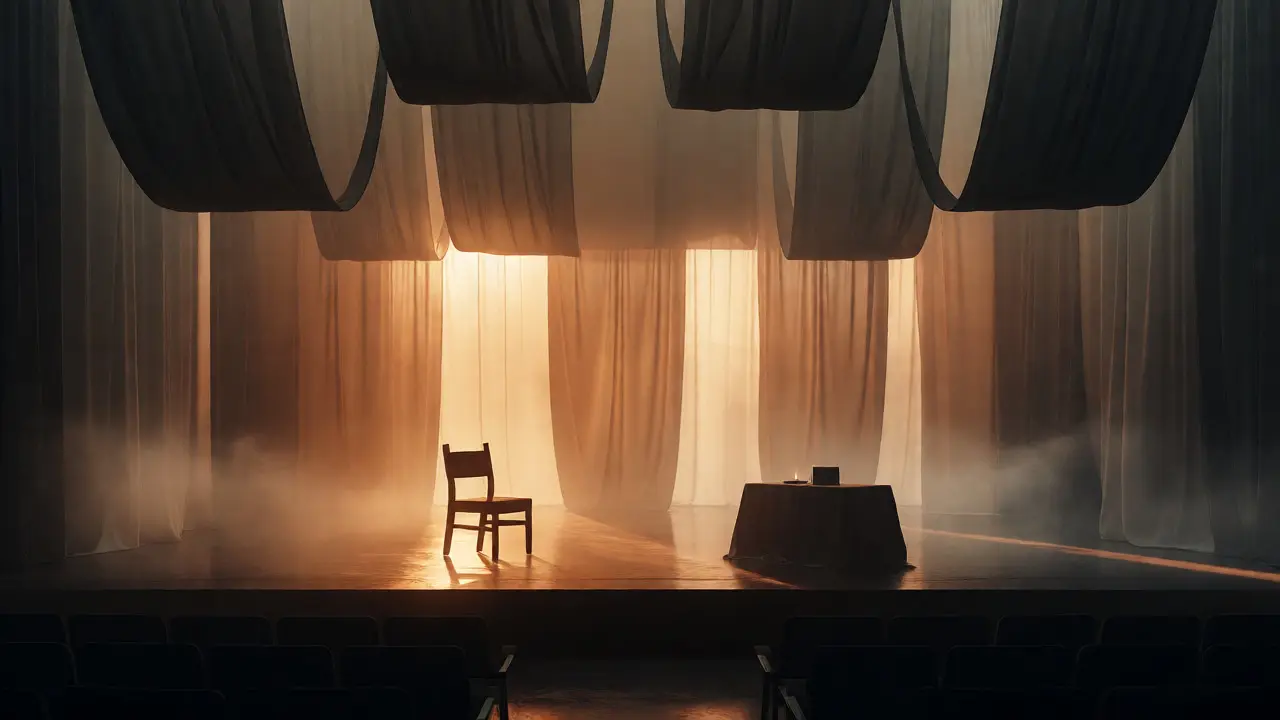
Think about the last time you attended a show where the audience was told to be quiet. Usually, it feels forced. With Alli Starr, it feels inevitable. Her stage setups often feature low-hanging fabrics or mist machines that dampen sound reflections, mimicking the acoustic treatment found in embalming suites or memorial chapels. These spaces are designed to absorb chaos, leaving only the voice and the essential instruments.
This approach forces the audience to lean in. Literally. When the ambient noise drops, people stop shuffling and start listening. It’s a psychological shift. In a typical club, you’re a consumer of entertainment. In a Starr show, you become a witness. The use of negative space on stage-large areas left empty except for a single chair or a draped table-mirrors the minimalist aesthetic of modern funeral homes, which favor clean lines and uncluttered views to focus attention on the focal point.
Lighting as Ritual
Lighting directors usually chase excitement. They want flashes, beams, and color changes that match the beat. Starr’s team works differently. They utilize warm, amber-toned gels and soft diffusion filters that replicate the gentle glow of candlelight or early morning sun through sheer curtains. This isn’t just an aesthetic choice; it’s a physiological one. Warm light lowers cortisol levels and slows heart rates, preparing the body for introspection rather than adrenaline.
Consider the contrast between a standard EDM festival and a Starr performance. One is a sensory assault; the other is a sensory deprivation tank with a soundtrack. By dimming the house lights completely during key ballads, she removes the social context of the audience. You can’t see your neighbor checking Instagram. You’re isolated with the music. This isolation is crucial to the "tribute" aspect of her work. A tribute requires undivided attention, and her lighting design enforces it without a single word spoken.
| Element | Standard Pop/Rock Show | Alli Starr’s Approach | Psychological Effect |
|---|---|---|---|
| Lighting | High-intensity, rapid changes, cool blues/purples | Low-intensity, static gradients, warm ambers | Calmness, intimacy, reduced anxiety |
| Acoustics | Loud, reverberant, bass-heavy | Dampened, dry, focused on mid-frequencies | Clarity, emotional resonance, physical comfort |
| Stage Layout | Full band spread, pyrotechnics, cluttered props | Minimalist, symbolic objects, ample negative space | Focus, solemnity, visual breathing room |
| Audience Role | Active participants (singing, dancing) | Passive witnesses (listening, reflecting) | Introspection, shared vulnerability |
The Body on Stage
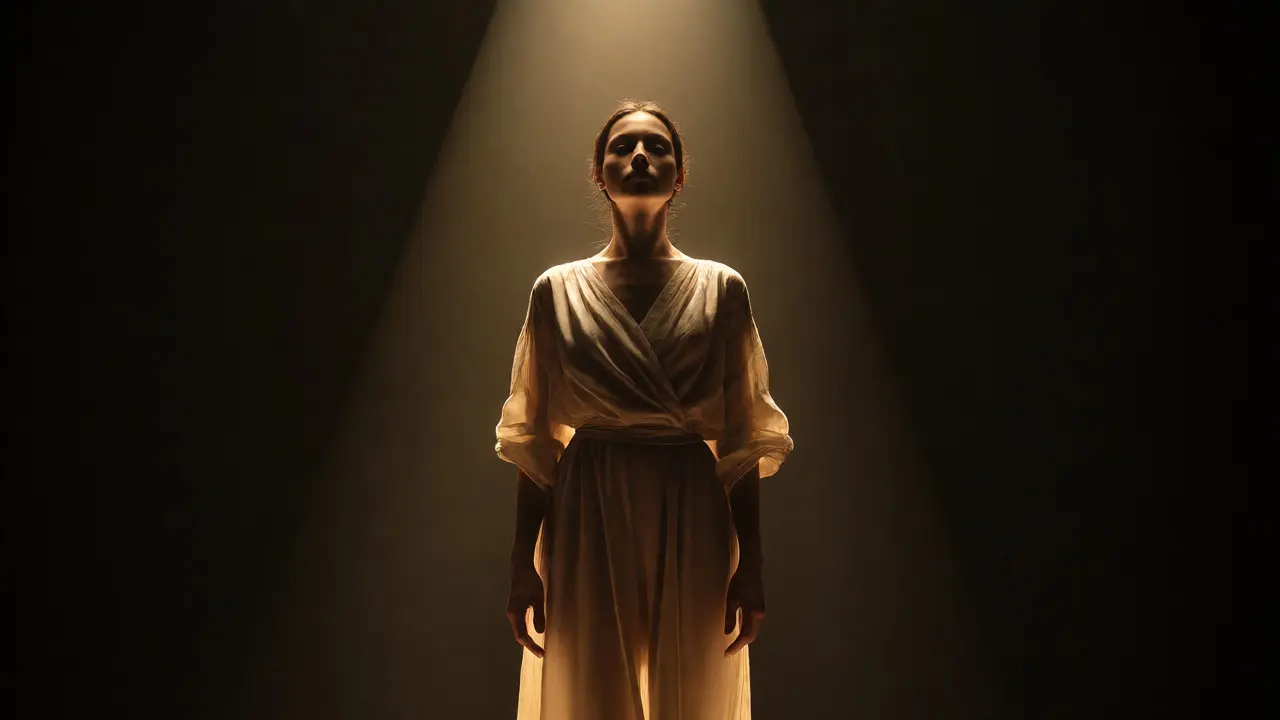
In mortuary science, the preparation of the body is an act of care. The deceased is positioned, dressed, and presented with precision. Alli Starr brings this intentionality to her own physical presence. She rarely paces aimlessly. Her movements are slow, deliberate, and often centered around a fixed point. She doesn’t run across the stage; she stands, shifts weight, and gestures with open palms.
This stillness is radical in a culture obsessed with kinetic energy. It signals confidence. It tells the audience, "I don’t need to move to prove I’m here." It also allows the viewer to study her expression, much like one might study a portrait. There’s a vulnerability in standing still under a spotlight. You can’t hide behind choreography. Every micro-expression is visible. This transparency creates a bond between performer and observer that feels personal, almost private, despite being in a public space.
Her wardrobe choices reinforce this. Flowing, neutral-colored garments that catch the light softly rather than sequins that reflect harshly. The fabric moves with her, extending her silhouette, but never obscuring her form. It’s practical, too-these materials don’t rustle loudly when she moves, preserving the sonic purity of the performance.
Soundscapes of Transition
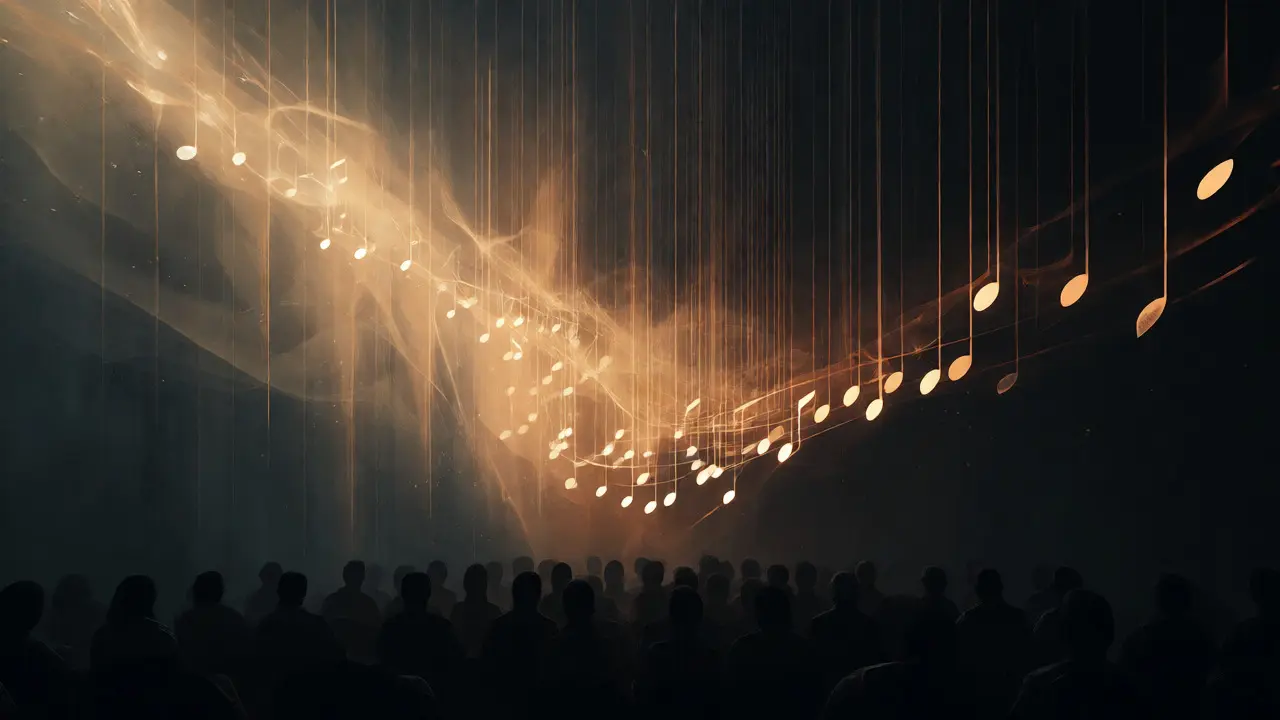
Musically, Starr’s arrangements often feature long fades and gradual crescendos rather than abrupt stops. This mirrors the concept of "transition" central to mortuary practices-the movement from life to whatever comes next. Songs don’t end; they dissolve. Instruments drop out one by one, leaving a final note hanging in the air until it naturally decays.
This technique prevents the jarring return to reality. In most concerts, the sudden cut of music snaps you back to the mundane world instantly. Here, the slow fade allows the audience to sit with the emotion. It gives them time to process before the house lights come up. It’s a courtesy, really. A recognition that the experience has value beyond mere entertainment.
She also incorporates non-musical sounds: the hum of a ventilation system, the distant chime of a clock, the sound of rain recorded outdoors. These ambient textures ground the performance in reality, reminding listeners that they are still human, still present, even while suspended in the artistic moment.
Why This Resonates Now
We live in an era of digital overload. Our eyes are tired, our ears are fatigued, and our attention spans are fragmented. The "mortuary sensibility" offers a counter-narrative. It provides a space where nothing is demanded of you except your presence. You don’t have to dance. You don’t have to post a story. You just have to be there.
This aligns with broader trends in wellness and mindfulness. People are seeking experiences that restore rather than deplete. A concert that leaves you exhausted is fun, but a concert that leaves you cleared out is transformative. Alli Starr understands that the most powerful tribute you can pay to art-or to each other-is attention. And in a noisy world, attention is a scarce resource.
For artists looking to adopt similar techniques, start small. Dim the lights. Remove the distractions. Let the silence breathe. You might find that the quiet speaks louder than any amplifier ever could.
What exactly are "mortuary sensibilities" in a musical context?
It refers to applying principles from funeral service-such as minimalism, controlled lighting, acoustic dampening, and deliberate pacing-to create a respectful, intimate, and reflective atmosphere in a live performance setting.
Does Alli Starr perform traditional songs or experimental pieces?
She blends both, but the arrangement style prioritizes space and decay over density. Even traditional melodies are stripped back to allow the "mortuary" aesthetic of stillness and clarity to dominate the experience.
Is this style suitable for large venues?
Yes, though it requires careful acoustic engineering. Large halls naturally reverberate, so Starr’s teams often use portable baffles and strategic speaker placement to maintain the dry, intimate sound profile characteristic of her smaller shows.
How does the audience typically react to the enforced silence?
Initially, there may be discomfort or restlessness. However, within minutes, the collective behavior shifts. Audience members report feeling a sense of shared community and heightened emotional connection, noting that the lack of distraction allowed them to hear the lyrics and instrumentation more clearly.
Can independent artists replicate this look on a budget?
Absolutely. You don’t need expensive gear. Use black cloth to dampen sound, position lamps off-center to avoid harsh shadows, and practice standing still. The core element is restraint, which costs nothing but discipline.