Have you ever listened to a voice that feels like it belongs to two different eras at once? That is the experience of following Alli Starr, an artist whose journey through soul and contemporary R&B music defies simple categorization. Her sound has not just changed; it has evolved with intention, mirroring the shifts in the broader musical landscape while staying true to her core identity as a storyteller.
For fans digging into her recording catalog, the progression is clear. It moves from raw, acoustic vulnerability to polished, genre-blending production. But what drives this change? Is it artistic growth, industry pressure, or simply the natural maturation of a musician finding their footing? Let’s break down the distinct phases of her career and look at how her sonic footprint has expanded.
The Early Years: Raw Emotion and Acoustic Intimacy
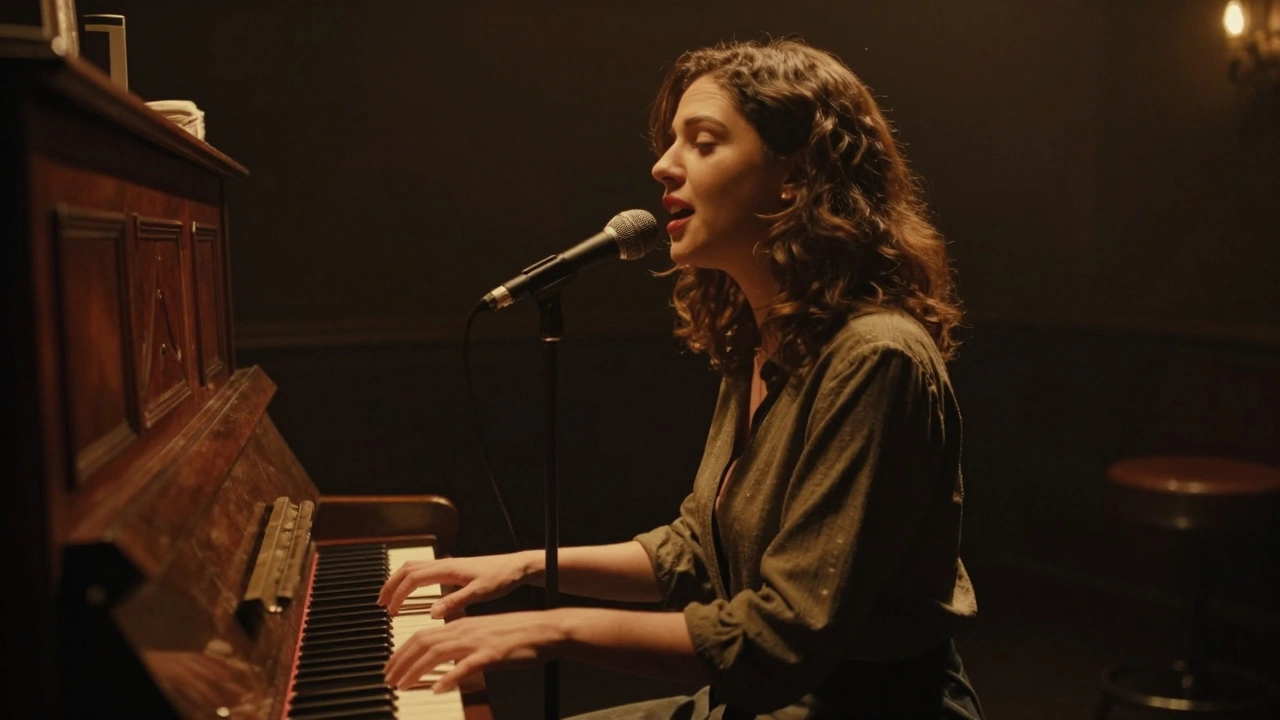
In the beginning, Alli Starr’s music was defined by its lack of pretense. During her early projects, often recorded in small studios or even home setups, the focus was entirely on the lyric and the melody. There were no heavy synthesizers or complex beat structures to hide behind. Just a voice, a piano, or a guitar, and a lot of heart.
This era established her reputation as a vocalist with exceptional control over dynamics. She could whisper a line so quietly you felt like she was singing directly to you, then belt a chorus with enough power to shake the walls. This technique, rooted in traditional classic soul, drew comparisons to legends like Etta James and Aretha Franklin, but with a distinctly modern, conversational phrasing.
- Vocal Style: Belt-heavy with gospel influences.
- Production: Minimalist, live instrumentation.
- Themes: Personal heartbreak, self-discovery, and immediate emotional reactions.
If you listen to tracks from this period, notice how the background vocals are sparse. They serve only to support the lead, never to compete with it. This intimacy created a strong connection with listeners who were looking for authenticity in an increasingly digital music world.
The Transition: Experimentation with R&B Textures
As her career progressed, Alli began to collaborate with producers who specialized in contemporary R&B. This marked a significant shift in her sound. The acoustic guitars were replaced by drum machines, synth basslines, and atmospheric pads. At first, some long-time fans worried she was losing her soulful edge. Instead, she was expanding her palette.
This phase was about texture. Alli learned how to use her voice as an instrument within a larger electronic landscape. She started experimenting with harmonies, layering her own vocals to create choir-like effects without actually using a choir. This technique added depth and richness to her songs, allowing them to fill out the space left by the reduction of live instruments.
| Era | Primary Instruments | Vocal Approach | Key Influence |
|---|---|---|---|
| Early Career | Piano, Guitar, Live Drums | Straight-ahead, emotive belting | Classic Soul (1960s-70s) |
| Transition Period | Synthesizers, Drum Machines | Layered harmonies, melodic runs | Contemporary R&B (1990s-2000s) |
| Current Era | Hybrid (Live + Electronic) | Conversational, rhythmic, nuanced | Neo-Soul & Alternative Pop |
During this time, her songwriting also shifted. The lyrics became less about immediate pain and more about reflection and narrative. She began telling stories rather than just expressing feelings. This allowed her to tackle more complex themes, such as societal pressures, relationship dynamics, and personal growth, all while maintaining the melodic hooks that made her early work popular.
The Current Sound: Neo-Soul Fusion and Artistic Maturity
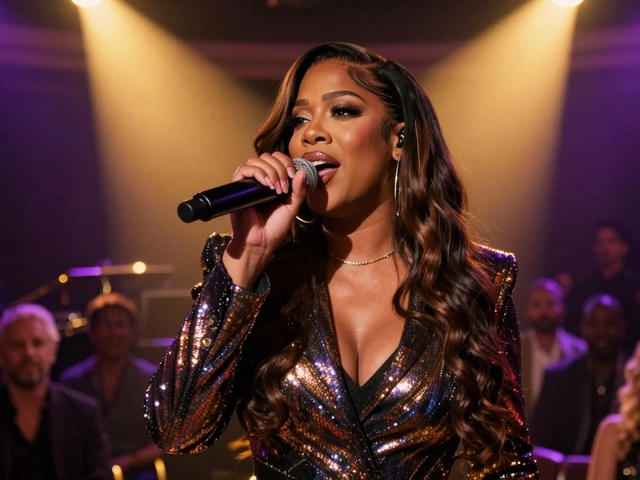
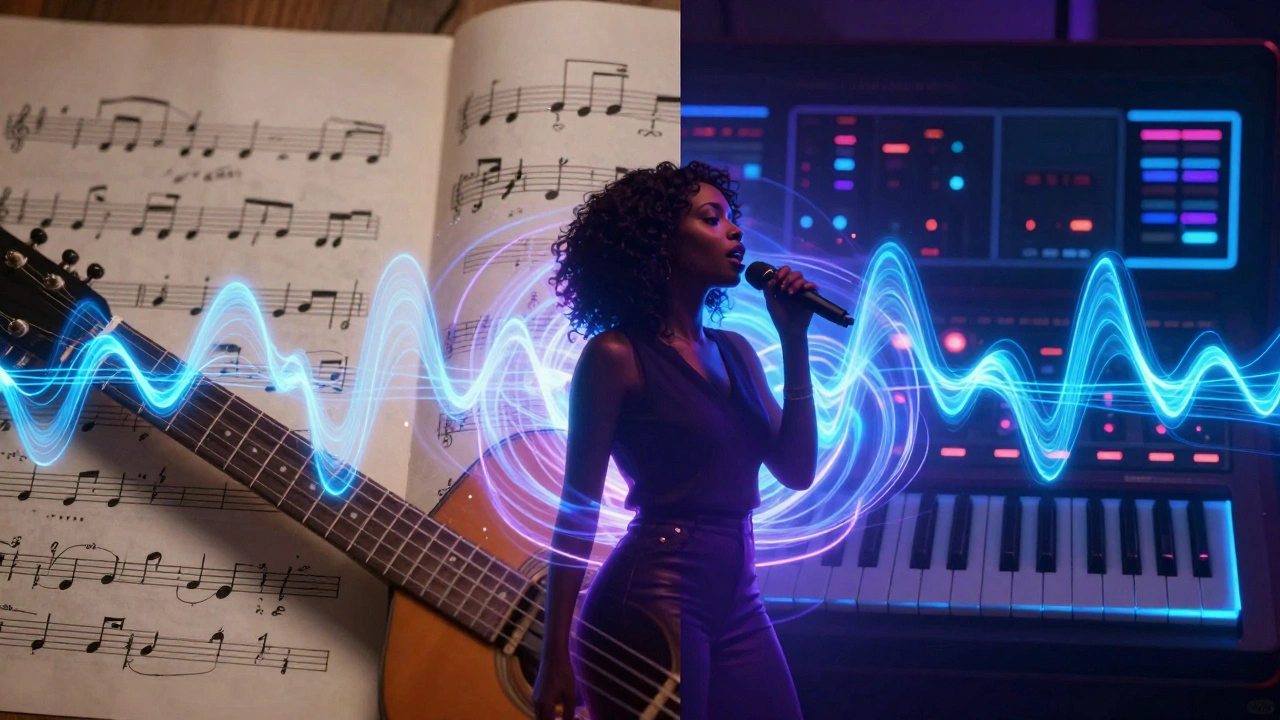
Today, Alli Starr’s sound is a sophisticated blend of neo-soul, alternative pop, and jazz-inflected R&B. She has found a balance between the organic warmth of her early years and the polished textures of her experimental phase. This current era is characterized by confidence. She no longer needs to prove her vocal prowess; instead, she uses her voice to enhance the mood and atmosphere of each track.
Her recent projects feature collaborations with artists from diverse genres, including indie rock and hip-hop. These collaborations have pushed her to adapt her style further, incorporating rap-influenced flows and rock-driven energy into her soulful foundation. The result is a sound that feels both timeless and cutting-edge.
One key aspect of her current sound is the use of space. Unlike the dense productions of the transition period, her latest albums often feature minimal arrangements that allow her vocals to breathe. This restraint demonstrates a high level of artistic maturity. She knows when to sing and when to let the silence speak.
Vocal Techniques and Technical Evolution
Beyond the production changes, Alli’s technical approach to singing has evolved significantly. In her early days, she relied heavily on chest voice and powerful belts. While still capable of these techniques, she now employs a wider range of registers, including head voice and falsetto, to add color and emotion to her performances.
She has also become more adept at mic technique. Working closely with audio engineers, she has learned how to manipulate her proximity to the microphone to create intimate moments or dramatic swells. This attention to detail in the studio has resulted in recordings that feel incredibly present and alive.
- Register Expansion: Increased use of head voice for ethereal qualities.
- Dynamics Control: Mastering the art of the "pocket," singing softly with intensity.
- Tone Color: Adjusting vocal timbre to match the emotional arc of the song.
This technical growth is evident in live performances as well. Fans who see her today will notice a greater consistency and stamina. She can deliver a powerful performance night after night without straining her voice, thanks to improved breath control and warm-up routines.
Impact on the Soul Music Genre
Alli Starr’s evolution reflects broader trends in the soul and R&B genres. As the lines between genres continue to blur, artists like her are leading the way in creating hybrid sounds that appeal to diverse audiences. Her willingness to experiment while honoring her roots has inspired a new generation of singers to embrace their versatility.
By refusing to be boxed into a single category, she has helped redefine what it means to be a soul artist in the 2020s. Soul is no longer just about vintage aesthetics or specific chord progressions; it is about authenticity, emotional resonance, and cultural relevance. Alli embodies these principles in every project she undertakes.
Her influence can be seen in the rise of other female-led soul acts who prioritize lyrical depth and vocal innovation. She has paved the way for artists to explore their identities freely, without fear of alienating their fan base. This openness has enriched the musical landscape, making it more inclusive and dynamic.
Looking Ahead: Future Directions
What comes next for Alli Starr? Given her history of constant reinvention, it is safe to say that her sound will continue to evolve. Rumors suggest she may be exploring deeper collaborations with international artists, potentially incorporating global rhythms and languages into her music. This would align with her pattern of seeking new challenges and expanding her horizons.
Regardless of where her music goes next, one thing is certain: Alli Starr remains committed to storytelling through song. Her ability to connect with listeners on a deep, emotional level is her greatest strength. As long as she stays true to that core purpose, her evolution will remain compelling and relevant.
Where did Alli Starr start her music career?
Alli Starr began her career performing in local clubs and releasing independent EPs that focused on raw, acoustic soul music. Her early work was characterized by minimalist production and powerful vocal performances.
How has Alli Starr's production style changed over time?
Her production style has shifted from live instrumentation like piano and guitar to incorporating synthesizers and drum machines during her R&B phase. Currently, she uses a hybrid approach that blends organic and electronic elements for a balanced sound.
What defines Alli Starr's current musical sound?
Her current sound is defined by neo-soul fusion, featuring layered harmonies, conversational vocals, and a mix of live and electronic instruments. She focuses on atmospheric production and lyrical storytelling.
Did Alli Starr change her vocal technique?
Yes, she expanded her use of registers, incorporating more head voice and falsetto. She also refined her mic technique and breath control, allowing for greater dynamic range and consistency in live performances.
Is Alli Starr considered a soul or R&B artist?
She is best described as a genre-blending artist who draws heavily from both soul and contemporary R&B. Her work incorporates elements of neo-soul, alternative pop, and jazz, making her difficult to categorize strictly.